While today it stands as the “King” of Tuscan wine and one of Italy’s most prestigious exports, the identity of Montalcino was historically defined by a completely different wine: Moscadello. From the Renaissance until the mid-20th century, this hilltop town was famous for a sweet, often sparkling white wine made from Moscato Bianco, praised by figures ranging from the poet Pietro Aretino to Pope Urban VIII.
The shift to the powerful red we know today is a relatively recent phenomenon, pioneered in the mid-19th century and cemented by the Biondi-Santi family, who isolated the superior “Brunello” biotype of Sangiovese (specifically the Sangiovese Grosso clone BBS-11). They proved that, unlike the lighter Chianti wines intended for early consumption, this specific clone grown in Montalcino’s drier, hotter climate could produce a wine capable of aging for decades.
Brunello was among the first wines to receive DOC status in 1966 and DOCG status in 1980. However, its meteoric rise in the global market—particularly after the watershed 1985 vintage—led to rapid and sometimes reckless expansion. The planting of vineyards in unsuitable, clay-heavy valleys created a disconnect between the historic quality of the wine and the volume produced. This tension culminated in the “Brunellogate” scandal of 2008, where prosecutors investigated producers for illicitly blending Cabernet and Merlot to darken the wine and soften its tannins for the international palate. The scandal ultimately resulted in a stricter reaffirmation of the rules: Brunello must remain 100% Sangiovese, a standard of purity that distinguishes it from almost every other major Tuscan red.
The Terroir Montalcino is a square of 24,000 hectares, effectively an island of viticulture. It is hotter and drier than Chianti Classico.
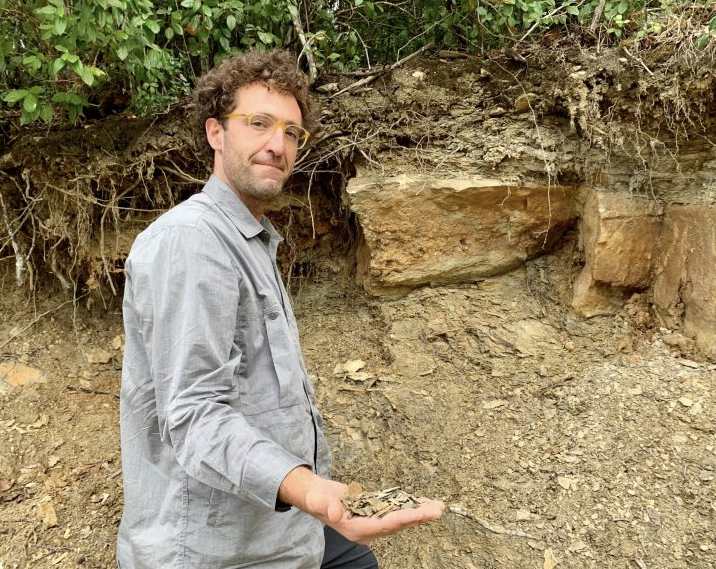
- North (Montosoli): Cooler, continental climate with galestro (marl) soils. produces perfumed, rigorous, vibrant wines.
- South (Castelnuovo dell’Abate / Sant’Angelo): Warmer, Mediterranean climate with clay and marine deposits. Produces powerful, fleshy, higher-alcohol wines.
The Critical Take “Brunello” is not one wine. The stylistic gap between the north and south is massive. Furthermore, the expansion of the zone in the 1990s led to plantings in unsuitable clay-heavy valleys. Authentic Brunello balances the power of the southern sun with the high-acid structure of Sangiovese.
Benchmark Producers Biondi-Santi (the historic guardian), Poggio di Sotto (ethereal elegance), Il Poggione (classic power), Siro Pacenti, Casanova di Neri.
The Safety Valve Montalcino runs a two-wine system, and it is the reason the top wine stays as good as it does. Rosso di Montalcino takes the younger vines, the cooler parcels and the fruit that will not carry five years of ageing, and it can be declassified at any point up to bottling. In a difficult vintage the best estates simply move a large part of the crop across, and some have released no Brunello at all rather than release a weak one. Any assessment of a Montalcino vintage that ignores how much was declassified is reading only half the evidence.