
Moscato Bianco
The basis of Italy's most beloved sweet sparklings—delicate, grapey, and intensely floral, producing Moscato d'Asti DOCG and Asti Spumante in Piedmont.
Moscato Bianco is a grape variety most associated in Italy with Asti, Noto, Piemonte and Basilicata. I have reviewed two wines made from it.
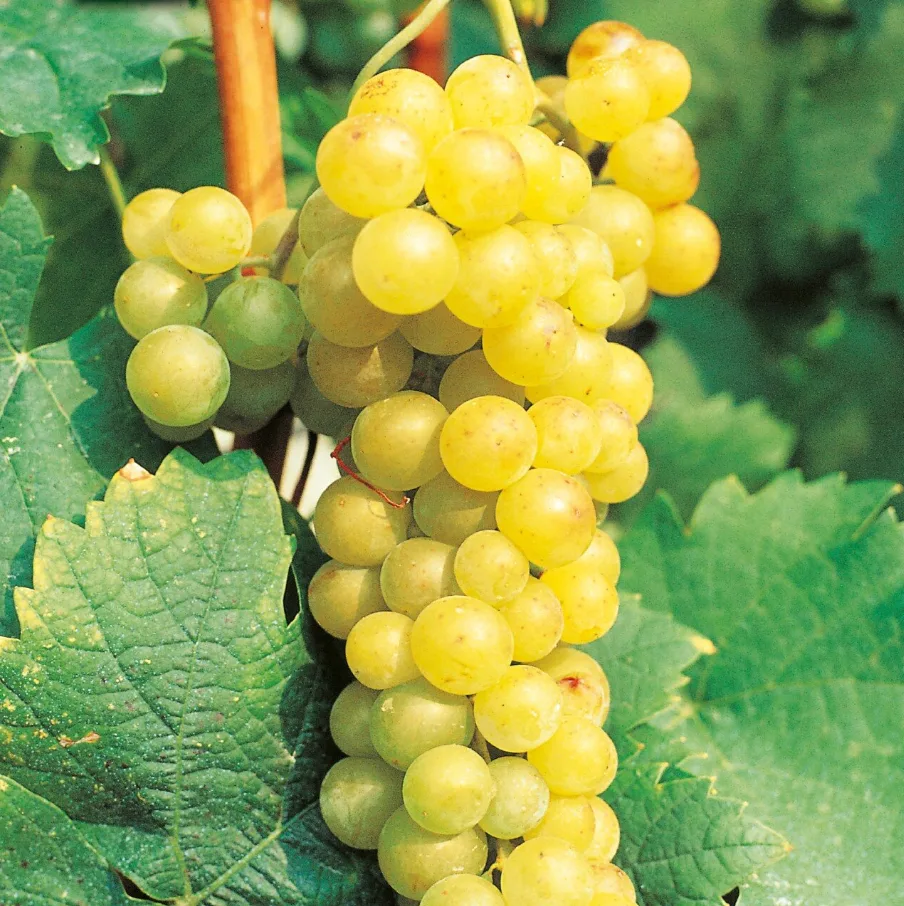
The Sweet Soul of Piedmont Moscato Bianco is one of the most ancient and beloved white grapes in the world, the variety behind Piedmont’s irresistible Moscato d’Asti and Asti Spumante. Intensely aromatic, grapey and delicately sweet, it produces gently sparkling, low-alcohol wines of pure, joyful charm. The finest member of the great Muscat family, it has been cultivated around the Mediterranean since antiquity and remains one of Italy’s most distinctive and instantly appealing grapes.
An Ancient Lineage Moscato Bianco — known internationally as Muscat Blanc à Petits Grains — is among the oldest cultivated grape varieties, grown around the Mediterranean since classical times and quite possibly known to the ancient Greeks and Romans. It is the noblest of the sprawling Muscat family, distinguished by its small berries and its exceptionally pure, grapey aromatics, and is the parent or relative of many other aromatic grapes.
A Grape of the Piedmontese Hills Moscato Bianco’s most famous home is the hills of southern Piedmont around Asti and Alba, where the calcareous soils and continental climate give the grape its perfume and balance. It is also grown across Italy, but the Piedmontese heartland, with its tradition of gently sweet, lightly sparkling wines, is where the variety achieves its most celebrated and characteristic expression.
In the Vineyard A vigorous, early-budding variety, Moscato Bianco is grown on the hillsides of the Asti zone, where careful site selection and farming preserve its delicate aromatics and natural acidity. Its intensely perfumed grapes are picked to retain freshness, the foundation of the bright, balanced, low-alcohol sweet wines for which it is famous.
Appearance and Structure In its classic form Moscato Bianco gives pale, gently sparkling, sweet wines of very low alcohol and bright, fresh acidity that balances the sweetness. The wines are light, delicate and frothy rather than rich or heavy, their charm lying in the interplay of grapey sweetness, fresh acidity and a soft, frothy sparkle that makes them so easy to enjoy.
Aromatic Profile The signature is pure, intense grapeyness — fresh grapes, peach and apricot — lifted by orange blossom, honeysuckle, rose, sage and a delicate musky character. The aromas are vivid, floral and unmistakably “grapey,” giving the wines an immediate, joyful appeal; few grapes smell so purely and recognisably of themselves.
In the Cellar Moscato Bianco is most famously made as gently sweet, lightly sparkling Moscato d’Asti and the fuller-sparkling Asti Spumante, fermentation stopped early to retain natural grape sugar and keep alcohol low. The grape is also made into still, passito and fortified sweet wines elsewhere, but its Piedmontese frizzante style remains its defining and most beloved expression.
Key Expressions
- Moscato d’Asti (DOCG): the benchmark — gently sweet, lightly sparkling, low-alcohol whites of pure charm.
- Asti Spumante (DOCG): the fuller-sparkling, festive version of the wine.
- Moscato passito & still styles: richer sweet and dry expressions from across Italy.
- Strevi & Loazzolo: traditional sweet passito Moscato from the Piedmontese hills.
The Question of Aging Moscato d’Asti and Asti are emphatically wines for fresh, youthful drinking, prized for the vivid grapey aromatics and frothy charm that are at their best within a year or so of the vintage. The richer passito and fortified styles can age, but the classic sparkling wines are made to be enjoyed young and fresh.
At the Table Its sweetness, low alcohol and bright acidity make Moscato d’Asti a classic with fruit, light desserts, panettone and pastries, and a delightful, refreshing aperitif or brunch wine. Its frothy charm and modest alcohol also make it one of the few wines that flatters fresh fruit and lighter sweet dishes without overwhelming them.
Why It Matters Moscato Bianco is the joyful, aromatic heart of Italian sweet wine — an ancient, intensely perfumed grape that gives Piedmont its beloved Moscato d’Asti, and one of the most charming, distinctive and instantly recognisable varieties in the entire world of wine.