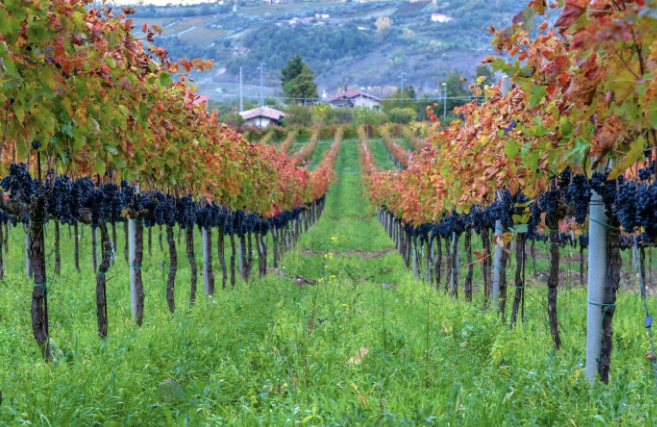
Amarone della Valpolicella · Corvina / Rondinella
2020s
A more classic season with cool nights aiding the appassimento; promising freshness and depth. Ageing. Ageing · releases 2029
A wet spring brought Peronospora to Valpolicella; rigorous selection for appassimento was essential. Variable, but the drying favoured healthy bunches. Ageing · releases 2028
A warm, dry harvest amplified by the appassimento process. Wines are rich and powerful but heat stress is evident in lower freshness and acidity than the best years. Select producers in optimal sites shine. Ageing · releases 2027
Extreme drought year. Surprisingly fresh despite heat; rich fruit but "slimmer" tannins. Releasing 2026
Exceptional. Cool spring and sunny autumn; wines are fresh, deep, and elegant. Released 2025
Very good; warm but balanced. Wines are expressive and harmonious. Released 2024
2010s
Excellent. A return to classicism; cool nights preserved aromatics and acidity. Released 2023
Variable; wet periods led to larger berries. Wines are approachable and fruity. Released 2022
Hot and dry (drought); wines are concentrated but can lack acidity.
Perfect. The "modern classic." Harmony between power, acidity, and elegance.
Monumental. Powerful, solar vintage with massive fruit and structure.
Difficult; cool and wet. Strict selection required; lighter wines.
Very good; cooler vintage, wines are fresh, spicy, and refined.
Excellent; balanced year, wines are elegant with great longevity.
Hot and dry; wines are powerful, alcoholic, and rich.
Classic. Ideal conditions; wines have tension, depth, and finesse.
2000s
Very good; similar to 2007, rich and fleshy.
Excellent; cool year producing aromatic, spicy, and elegant wines.
Very good; warm year, wines are ripe, round, and accessible.
Superb. Powerful, concentrated, and very long-lived.
Good; rain during harvest made it a "drinker's" vintage, not for long aging.
Classic. Perfect balance of elegance, fruit, and structure.
Heatwave year; wines are roasted, jammy, and mature quickly.
Disastrous. Hail and rain; very little Amarone made (Quintarelli declassified everything).
Excellent. Powerful, structured, and built for the long haul.
Very good; warm year, producing soft, fruit-forward wines.
1990s
Good; rain during harvest made selection crucial.
Outstanding; arguably more "classic" and balanced than the hot 1997.
Historic. Hot and dry; produced lush, ripe, and explosive wines.
Good; cool year, wines are fresh but sometimes lean.
Excellent. Great concentration and elegance due to low yields (hail).
Average; hot summer but rainy harvest affected concentration.
Very good; classic style, balanced and aromatic.
Poor; rainy harvest.
Good; elegant and lighter than 1990.
Legendary. Massive, rich, and powerful wines. A benchmark year.
1980s
Difficult; wet autumn ruined many grapes intended for drying.
Classic. Cool, long growing season; structured, austere, and magnificent for aging.
Mediocre; rain hampered the drying process.
Good; overshadowed by 1985 and 1988 but solid.
A very warm, rich vintage; opulent and fruit-forward.
Poor; cold and wet. Avoid.
Exceptional. Perfect weather created powerful, complex, and long-lived wines.
Difficult; rain during harvest caused mold issues for drying grapes.
Average; approachable wines for medium-term consumption.
Good; cool weather produced leaner, spicy wines.
1970s
A very good year; widely appreciated for balance and fruit.
Average; solid wines but lacked excitement.
Good; better than expected, offering elegant wines.
Poor; rain during harvest compromised the appassimento (drying) process.
A difficult year; many wines were light or dilute.
A very good, classic vintage with good structure.
Average; pleasant but not for long aging.
Poor. A cold, wet year; very little Amarone produced.
Good, but variable quality.
A very good year; rich and structured.
1960s
A strong vintage; often overlooked but produced durable wines.
Good quality; classic style but less powerful than the greats.
A very good, elegant vintage; remarkably fresh for its age.
A solid, average vintage.
Good but not great; lighter in body.
Legendary. Perfectly balanced, deep, and immortal wines (especially Bertani).
A weak vintage.
Average quality; good for medium-term drinking.
A very good year; balanced and classic.
A difficult, wet year.
1950s
A superb vintage; rich, opulent, and powerful.
Excellent quality; Bertani's 1958 is often cited as a benchmark for longevity.
A decent year; wines were lighter and elegant.
A poor vintage marked by severe winter frosts.
A strong vintage; ripe and structured.
A difficult, wet year.
A very good vintage; widely considered excellent for the era.
Average vintage; solid but lacks deep structure.
Good quality, generally soft and approachable.
A historic year (first commercial bottling by Bolla). Fine, elegant wines.
1940s
An average year; balanced but not memorable.
A weaker vintage; mostly light wines.
An iconic, hot vintage. Produced incredibly concentrated and long-lived wines.
A good vintage, though overshadowed by the monumental 1945 and 1947.
A legendary vintage across Europe; rich, powerful wines, though few commercial bottles exist today.