
Rondinella
Valpolicella's third classic grape—contributing color, freshness, and body to the blend alongside Corvina and Corvinone.
Rondinella is a grape variety most associated in Italy with Valpolicella, Bardolino Superiore, Amarone della Valpolicella and Recioto della Valpolicella. I have reviewed eight wines made from it.
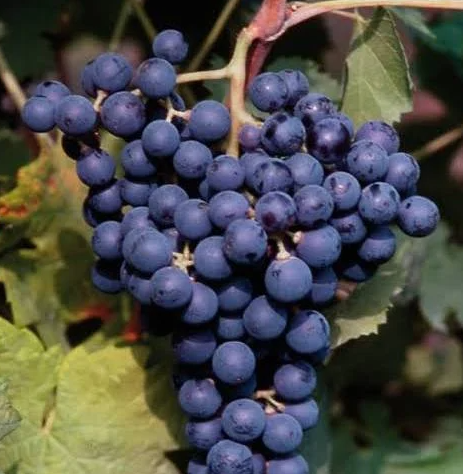
The Reliable Partner of Valpolicella Rondinella is one of the core native grapes of the Valpolicella zone in the Veneto, blended with Corvina and Corvinone to make Valpolicella, Amarone and Recioto. Reliable, productive and adaptable, it is rarely a star in its own right, but it plays an indispensable supporting role, contributing colour, fruit and consistency to some of Italy’s most distinctive reds, and standing up especially well to the region’s signature grape-drying.
Origins and Lineage Rondinella is a Veronese native and an offspring of Corvina, to which it is closely related, and it spread through the Valpolicella vineyards thanks to its vigour and dependability. Its name is often linked to rondine (swallow), perhaps for the dark colour of its grapes or a fancied resemblance to the bird, tying it firmly to the local landscape and folklore.
A Grape of the Verona Hills Grown throughout the Valpolicella zone north of Verona alongside its blending partners, Rondinella is valued for its reliability across the region’s varied hillside and valley sites. It crops generously and ripens dependably, making it a steady, consistent component of the blend even in difficult years, and a useful complement to the more characterful but demanding Corvina.
In the Vineyard Rondinella is a vigorous, productive and disease-resistant variety, which is much of the reason for its widespread planting. Its thick skins and resistance to rot make it especially well suited to appassimento, the long drying of grapes for Amarone and Recioto, during which it holds up well and concentrates its sugar and colour reliably.
Appearance and Structure Rondinella gives moderately coloured wines with light to moderate tannin and fairly neutral, fruity character. It is not a grape of great complexity or intensity on its own, but it adds colour, body and a dependable fruitiness to the blend, complementing the perfume of Corvina and the structure of Corvinone.
Aromatic Profile The signature is simple red and dark fruit — cherry and red berries — with light floral and herbal notes and, when dried for Amarone, a deeper character of dried fruit and spice. It is generally restrained and fruity rather than aromatically distinctive, its role being to support rather than to dominate the cuvée.
In the Cellar Rondinella is vinified as part of the Valpolicella family, both fresh for light reds and dried through appassimento for Amarone and Recioto. Its reliability and suitability to drying make it valuable across all the zone’s styles, where it provides consistency and colour rather than standing alone as a varietal wine.
Key Expressions
- Valpolicella & Valpolicella Superiore: a core component alongside Corvina and Corvinone.
- Amarone della Valpolicella: contributing colour and dried-fruit character to the great dried-grape red.
- Ripasso & Recioto: a dependable part of the richer and sweet styles of the zone.
- Rosato: occasionally contributing to fresh Veronese rosés.
The Question of Aging As a relatively simple, fruity grape, Rondinella contributes consistency rather than longevity, but as part of Amarone it shares in the ageing of those powerful wines, which can develop over two decades into complex, savoury, dried-fruited maturity.
At the Table As part of the Valpolicella blend, Rondinella suits the same foods as its partners: fresh Valpolicella with pasta, pizza and charcuterie, and Amarone with braised meats, game and aged Monte Veronese cheese. Its role is to support wines built for the hearty cuisine of the Veneto.
An Unsung Essential Rondinella will never command the attention of Corvina, and few drinkers seek it out by name. Yet its very dependability is its value: in a region whose wines depend on the long, risky drying of grapes, a variety that crops reliably and resists rot through months on the drying racks is indispensable. Rondinella is the quiet insurance behind Valpolicella, the steady partner that lets the more glamorous grapes shine.
Why It Matters Rondinella is the dependable backbone of Valpolicella — rarely celebrated alone, but an essential, reliable partner that lends colour, fruit and consistency to Corvina and Corvinone, and that helps make the great dried-grape wines of Verona possible.