
Molinara
A pale, high-acid native of the Valpolicella zone, traditionally blended into Amarone for freshness, though increasingly sidelined in modern bottlings.
Molinara is a grape variety most associated in Italy with Amarone della Valpolicella, Recioto della Valpolicella, Valpolicella and Bardolino Superiore. I have reviewed five wines made from it.
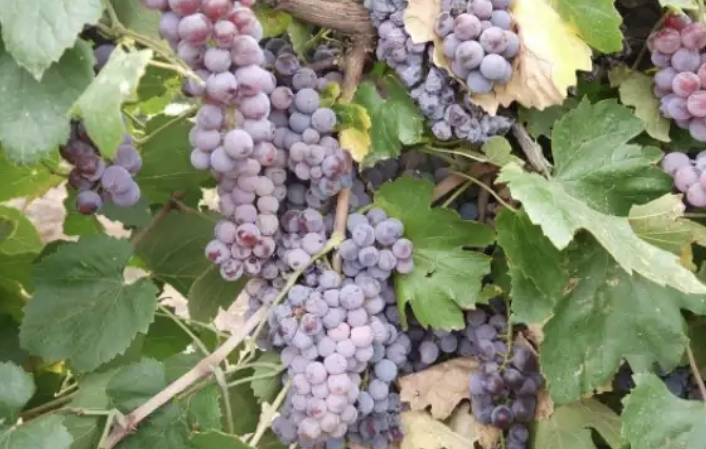
The Fresh Note of Valpolicella Molinara is one of the traditional native grapes of the Valpolicella zone in the Veneto, blended with Corvina, Corvinone and Rondinella to make Valpolicella, Amarone and Recioto. The lightest and most delicate of the group, it contributes freshness, acidity and a pale, lifted character. Once a required part of the blend, it has become more marginal in the modern era, yet it remains part of the historic identity and the traditional, gentler style of Verona’s famous reds.
A name to watch Around Lake Garda the grape is also called Rossanella and Rossara. The second of those is an erroneous synonym: a genuine and separate Rossara variety is grown in Trentino. Elsewhere Molinara answers to Brepon, especially in the Valpantena, and to Uva Sala, a reference to the frankly saline quality of its wines.
A Veronese Native Grown in the hills north of Verona alongside its blending partners, Molinara takes its name from mulino (mill), a reference to the dusty, flour-like bloom that coats its ripe berries. It is a productive, late-ripening variety long valued for the brightness and drinkability it brings to the regional blend rather than for power, colour or concentration.
Appearance and Structure Molinara gives very lightly coloured, high-acid wines with low tannin and modest body — the freshest and most delicate component of the Valpolicella blend. Its role is to lift and brighten rather than to add weight, balancing the richer, darker contributions of Corvina and Corvinone with welcome acidity and transparency.
Aromatic Profile Expect delicate red cherry, redcurrant and cranberry with a fresh, slightly herbal, lightly saline character and a brisk acidity. It is a transparent, high-toned grape, adding aromatic lift and a refreshing edge to the wines it joins rather than dominating them. With a tendency to oxidise, it also lends a savoury, slightly evolved note to traditional cuvées.
A Declining but Historic Role Under older appellation rules Molinara was a mandatory part of Valpolicella, but as producers chased deeper colour and richer concentration from the 1990s onward, many reduced or removed it, and the modern regulations made it merely optional. Its pale colour and oxidative tendency fell out of fashion in an era that prized density and saturation, and plantings have steadily declined.
A Traditionalist’s Cause Yet Molinara has its champions. A number of traditionally minded growers prize exactly the freshness, drinkability and lifted acidity it brings, seeing its decline as part of a wider and regrettable shift toward heavier, more international styles in Valpolicella. For them, restoring Molinara is part of recovering the region’s lighter, more graceful historic identity.
In the Cellar Molinara is vinified as part of the Valpolicella family, both fresh for light reds and dried through appassimento for Amarone and Recioto. Its high acidity and pale colour mean it is almost always a blending grape, used to balance and refresh richer partners rather than to stand alone, though it is occasionally bottled as a curiosity.
Key Expressions
- Valpolicella: contributing freshness and lift to the light, sour-cherry blend.
- Amarone & Recioto: a minor but traditional component, adding acidity to the dried-grape wines.
- Traditional cuvées: favoured by growers who value drinkability and freshness over sheer concentration.
The Question of Aging As a light, high-acid grape, Molinara contributes freshness rather than longevity; in the blend it supports the balance and ageworthiness of richer Amarone, but its own character is best appreciated in the youthful brightness of fresh Valpolicella.
At the Table The light, fresh Valpolicella styles it brightens are perfect with charcuterie, pasta, pizza and lighter meat dishes, served slightly cool. As part of Amarone, it joins a wine for braised meats, game and aged Monte Veronese cheese.
A Question of Balance The debate over Molinara captures a wider tension in modern Italian wine: the pull between concentration and freshness, between international expectations and local tradition. Those who removed it chased depth and colour; those who keep it argue that a wine without acidity and lift, however powerful, loses its sense of place and its welcome at the table. In this sense Molinara has become a small but telling symbol — a reminder that balance, drinkability and typicity are themselves qualities worth defending, even when fashion points the other way.
Why It Matters Molinara represents the traditional soul of Valpolicella — a grape that prizes freshness and drinkability over power, and whose lifted, delicate character is a reminder of the region’s lighter, more graceful historic style, now championed by a new generation of traditionalists.