
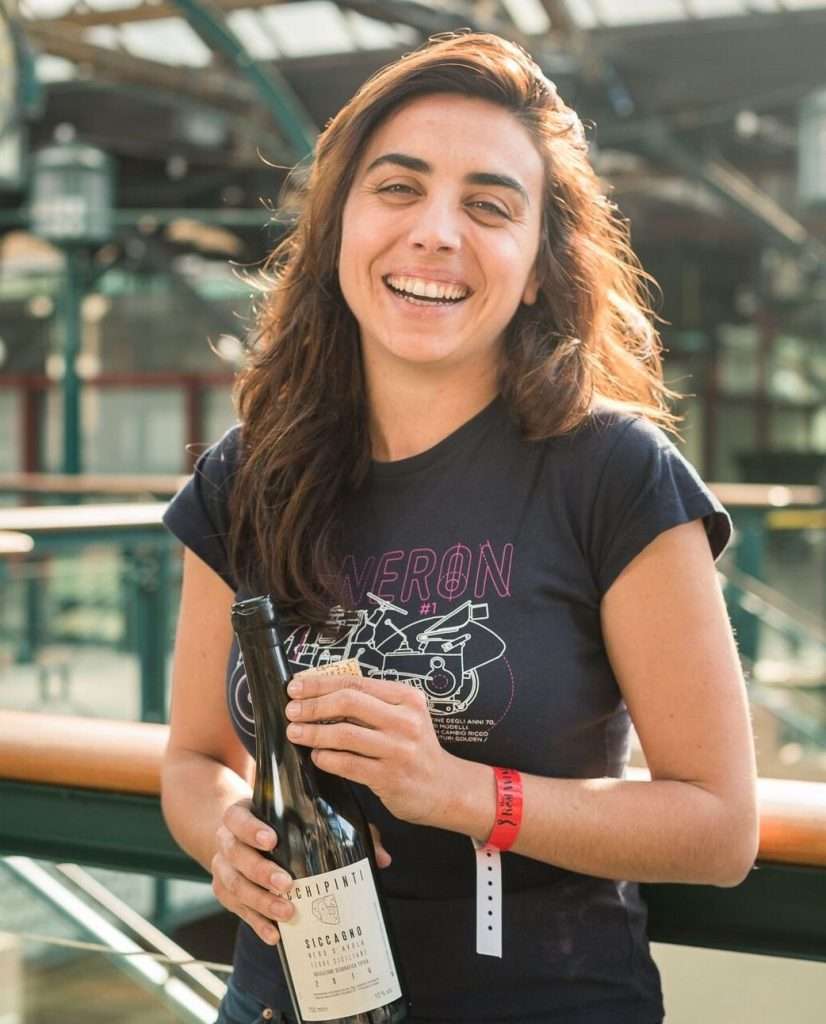
Arianna Occhipinti: Sicily’s Soul in a Glass
Some winemakers create wines beyond taste which seem to have a life of their own. They tell stories. They alter
The only DOCG of Sicily—a harmonious marriage between the power of Nero d'Avola and the floral elegance of Frappato.

Zones: regional wine-zone data of Piemonte, Toscana, Veneto, Lombardia, Lazio and Bolzano (CC BY / CC0), EU wine PDO boundaries (Candiago et al. 2022, CC0), production rules drawn with ISTAT boundaries; vineyards: Regione Piemonte (CC BY 4.0), Regione Toscana land use 2019 (CC BY 4.0); geology: Regione Toscana DataBase Geologico (CC BY 4.0), Arpa Piemonte - Geoportale / CNR-IGG GeoPiemonte Map 1:250,000 (CC BY 4.0); places: GeoNames (CC BY 4.0), OpenStreetMap (ODbL). Imagery: Powered by Esri — Esri, Maxar, Earthstar Geographics. Terrain: © Mapterhorn.
Approximate zone drawn from the production rules · Italian wine map · Regional map (Federdoc) · Imagery: Powered by Esri
This appellation holds the distinction of being Sicily’s first and only DOCG (elevated from DOC in 2005). Located in the southeastern corner of the island (Ragusa, Caltanissetta, and Catania provinces), the wine is a mandatory blend of Nero d’Avola (50–70%) and Frappato (30–50%). The name Cerasuolo derives from the local dialect for “cherry-like,” referring to the wine’s characteristic bright ruby-red color. The history of the zone is linked to Vittoria Colonna, the Countess of Modica, who founded the town of Vittoria in 1607. She granted land to colonists on the condition that they plant vineyards, sparking a viticultural boom. For centuries, the wine was exported as a potent vino di taglio (blending wine) to France and northern Italy, but the modern era has seen a shift toward bottling high-quality, terroir-driven wines.
The Terroir The production zone is defined by the Vittoria plain, which slopes gently from the Iblei Mountains toward the Mediterranean Sea.
The Critical Take Cerasuolo di Vittoria is often described as a “yin-yang” blend.
The Rules and the Classico A minimum of 18 months’ aging for the base wine and 24 for the Classico, which is the more meaningful distinction: Classico comes only from the historic heart of the zone around Vittoria, Comiso, Acate and Chiaramonte Gulfi, on the best of the terra rossa. Both are dry, despite the name, which describes colour rather than sweetness — a persistent source of confusion with Cerasuolo d’Abruzzo, an unrelated Montepulciano rosé from the opposite end of the country.
At the Table One of the most food-flexible reds in Italy, and it should be served cool, at 14–16°C. The Ragusano kitchen supplies the obvious matches: scacce, the stuffed flatbreads of the province, grilled pork, caponata, and Ragusano cheese itself. It also does something few reds manage, which is to sit happily beside tuna and grilled swordfish. Drink it young, within five years — the freshness is the point, and it does not improve with keeping.
Benchmark Producers COS (Pioneers of the region and amphora aging), Arianna Occhipinti, Planeta, Valle dell’Acate, Gulfi, Donnafugata, Paolo Calì
Some winemakers create wines beyond taste which seem to have a life of their own. They tell stories. They alter
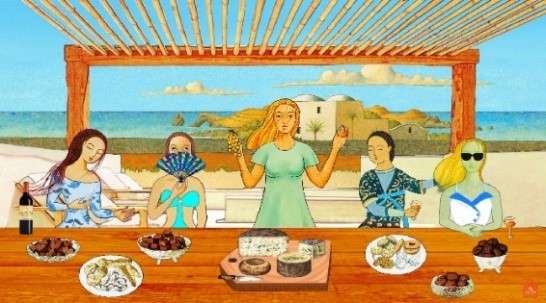
Sicily, a rich tapestry of cultures, is renowned for its vibrant wines and unique culinary flavors. The island boasts diverse grape varieties like Carricante, Frappato, and Nero d’Avola, each contributing to distinct wines. Key producers such as Tenuta delle Terre Nere and COS showcase Sicily’s winemaking heritage, highlighting its volcanic terroir and tradition.