
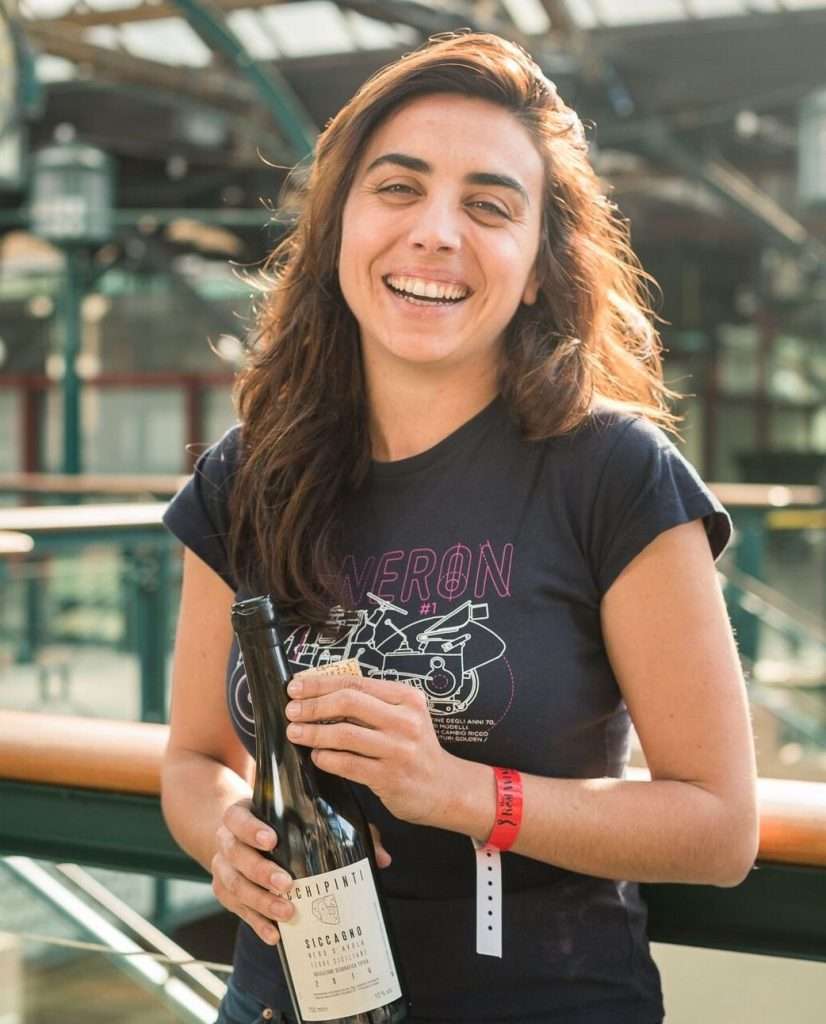
Arianna Occhipinti: Sicily’s Soul in a Glass
Some winemakers create wines beyond taste which seem to have a life of their own. They tell stories. They alter
The red earth—home to Frappato and Nero d'Avola, producing fresh, floral, and juicy reds on sandy soils.

Zones: regional wine-zone data of Piemonte, Toscana, Veneto, Lombardia, Lazio and Bolzano (CC BY / CC0), EU wine PDO boundaries (Candiago et al. 2022, CC0), production rules drawn with ISTAT boundaries; vineyards: Regione Piemonte (CC BY 4.0), Regione Toscana land use 2019 (CC BY 4.0); geology: Regione Toscana DataBase Geologico (CC BY 4.0), Arpa Piemonte - Geoportale / CNR-IGG GeoPiemonte Map 1:250,000 (CC BY 4.0); places: GeoNames (CC BY 4.0), OpenStreetMap (ODbL). Imagery: Powered by Esri — Esri, Maxar, Earthstar Geographics. Terrain: © Mapterhorn.
Approximate zone drawn from the production rules · Italian wine map · Regional map (Federdoc) · Imagery: Powered by Esri
Vittoria DOC covers the same geographic territory as the more celebrated Cerasuolo di Vittoria DOCG in southeastern Sicily, but serves a distinct and complementary purpose. Where the DOCG mandates a blend of Nero d’Avola and Frappato in specific proportions, the Vittoria DOC gives producers freedom to bottle single-varietal wines—100% Nero d’Avola, 100% Frappato, or other permitted varieties—that fall outside the DOCG’s blending requirements.
The zone sits in the province of Ragusa and the southern tip of Catania, on a limestone plateau swept by cooling Mediterranean breezes. The combination of intense southern Sicilian sun, chalky soils, and Atlantic-influenced winds creates conditions of natural balance rarely found this far south.
The Critical Take
Vittoria DOC is best understood as the creative annex of Cerasuolo di Vittoria. When producers like COS, Arianna Occhipinti or Valle dell’Acate want to bottle a pure expression of Frappato—transparent, light, and nervy—or an unblended Nero d’Avola, Vittoria DOC is the vehicle. These varietal expressions often reveal as much about Sicily’s vinous identity as the blended DOCG, and in the case of Frappato, they have become some of the most sought-after natural wines in Italy.
The Terroir The zone occupies the Ragusa plateau in the far south-east, and its defining feature is soil: deep red sand, terra rossa, lying over a limestone bedrock. The sand drains completely and holds almost no nutrient, which suppresses vigour and keeps yields low; the limestone beneath supplies the water the vines reach in high summer. Altitude runs from roughly 100 to 400 metres, and the site is open on two sides to sea breezes that drop night temperatures sharply. This is the southernmost quality wine zone in Italy, on the latitude of Tunis, and yet the wines are among the lightest and freshest the island makes.
Grape Varieties Frappato is the reason to pay attention: pale, low in tannin and intensely perfumed — wild strawberry, red currant and a distinct floral lift — with an almost Burgundian transparency that nothing else in southern Italy resembles. Nero d’Avola supplies the opposite: colour, body, dark fruit and structure. The DOCG insists on marrying them; the DOC allows each to be shown alone, which is why the most interesting bottles from this territory increasingly carry the junior classification.
At the Table Serve Frappato cool at 13–15°C and treat it as you would a Beaujolais or a light Pinot Noir: grilled fish, tuna, roast vegetables, charcuterie, and the ricotta-heavy cooking of the Ragusano. Varietal Nero d’Avola wants meat and warmer service, 16–17°C.
Benchmark Producers COS, Arianna Occhipinti, Valle dell’Acate, Gulfi, Planeta.
Some winemakers create wines beyond taste which seem to have a life of their own. They tell stories. They alter
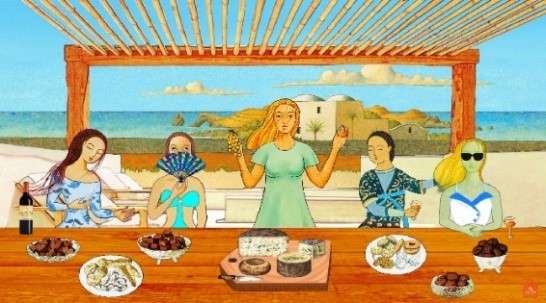
Sicily, a rich tapestry of cultures, is renowned for its vibrant wines and unique culinary flavors. The island boasts diverse grape varieties like Carricante, Frappato, and Nero d’Avola, each contributing to distinct wines. Key producers such as Tenuta delle Terre Nere and COS showcase Sicily’s winemaking heritage, highlighting its volcanic terroir and tradition.