
Aleatico
A rare aromatic red related to Moscato, producing deeply colored, spiced, and sweet wines of remarkable perfume on Elba and in Puglia.
Aleatico is a grape variety most associated in Italy with Elba Aleatico Passito, Aleatico di Gradoli, Aleatico di Puglia and Brindisi.
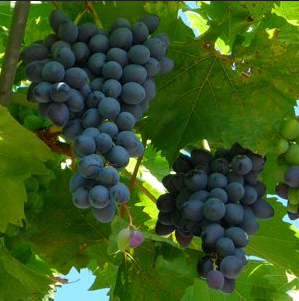
The Aromatic Sweet Red Aleatico is an aromatic red grape of central Italy, famous above all for luscious, perfumed sweet wines of rose petals and red berries. A member of the Muscat-scented family of grapes, it reaches its heights on the island of Elba and in Puglia, where dried-grape passito wines show its exotic fragrance and sweet, silky charm. A grape of seduction and perfume, it makes some of Italy’s most distinctive dessert reds.
A Muscat-Scented Variety Aleatico belongs to the aromatic, Muscat-related family of grapes, sharing their intense floral, grapey perfume, but in a red-skinned form. Grown for centuries across central Italy and the islands, it is thought to be of ancient origin, and its unmistakable aromatic character sets it apart from ordinary red varieties. That perfume, more than structure or power, is the defining quality that has made Aleatico prized for sweet wine.
Homes in Elba and Puglia Aleatico’s two great strongholds are the Tuscan island of Elba, where Elba Aleatico Passito is a celebrated DOCG, and Puglia in the south, home to Aleatico di Puglia; it also appears in Lazio and elsewhere in central Italy. On sun-drenched Elba the grapes are dried to make an intense, fragrant sweet red, while Puglia produces both sweet and fortified styles, each expressing the grape’s aromatic charm.
In the Vineyard Aleatico ripens to develop both its aromatic compounds and good sugar levels, ideal for sweet wine, and is grown in the warm, sunny climates of the islands and the south. For passito wines the healthy bunches are dried in the sun or on racks, concentrating their sugars and perfume. Modest yields of ripe, aromatic fruit are the goal, the warm climate and drying process central to the grape’s sweet expression.
Appearance and Structure Aleatico gives medium-coloured, medium-bodied sweet reds with soft, gentle tannins, moderate acidity and a silky, luscious texture. Made sweet, whether as passito or fortified, the wines balance their sugar with enough freshness and grip to avoid heaviness. This softness and aromatic richness, rather than firm structure, give Aleatico its charm, making its sweet wines feel supple, fragrant and immediately seductive.
Aromatic Profile The signature is an intense, exotic perfume — rose petals, red berries, cherry and violet — with grapey, spiced and sometimes candied notes reflecting its Muscat kinship. This heady floral and red-fruited fragrance is the hallmark of Aleatico, giving its sweet wines a seductive, aromatic intensity. The perfume carries through to the palate, where ripe berry and rose flavours combine with silky sweetness.
In the Cellar Aleatico is made mainly as a sweet wine, either as a passito from dried grapes — as on Elba — or as a fortified wine, especially in Puglia, and occasionally as a lighter sweet or even dry red. The winemaking aims to preserve the grape’s exuberant aromatics and balance its sweetness with freshness, producing perfumed, silky dessert reds of real charm rather than heavy, cloying wines.
Key Expressions
- Elba Aleatico Passito DOCG: the celebrated Tuscan island dried-grape sweet red.
- Aleatico di Puglia: sweet and fortified styles from the south.
- Lazio & central Italy: aromatic sweet reds from the mainland.
- Fortified versions: richer, higher-alcohol dessert wines.
The Question of Aging Many Aleatico wines are enjoyed relatively young for their vivid perfume and fresh berry fruit, but the best passito and fortified styles, with their concentration and sugar, can age well for a number of years. With time the exuberant floral aromatics settle into deeper, spiced, dried-fruit and candied complexity, though the pleasure of Aleatico lies above all in its fragrant, seductive charm.
At the Table Aleatico’s sweet, aromatic, silky character makes it a lovely partner for desserts — chocolate, red-fruit tarts, berries and pastries — and, in its fortified form, for rich puddings and even blue cheese. Its perfume and gentle tannins let it flatter fruit-based and chocolate desserts especially well, while a lightly chilled glass makes an elegant, contemplative end to a meal.
Why It Matters Aleatico is one of Italy’s most distinctive aromatic grapes — a Muscat-scented red that turns sun-dried grapes into perfumed, seductive sweet wines from Elba to Puglia. Its intense fragrance of roses and red berries sets it apart from every ordinary red, and its luscious dessert wines rank among the most charming and singular expressions of sweet red wine in Italy.