
Coda di Volpe
Campania's ancient 'fox tail' grape—golden, aromatic, and full-bodied, a native partner in the region's white blends.
Coda di Volpe is a grape variety most associated in Italy with Greco di Tufo and Fiano di Avellino.
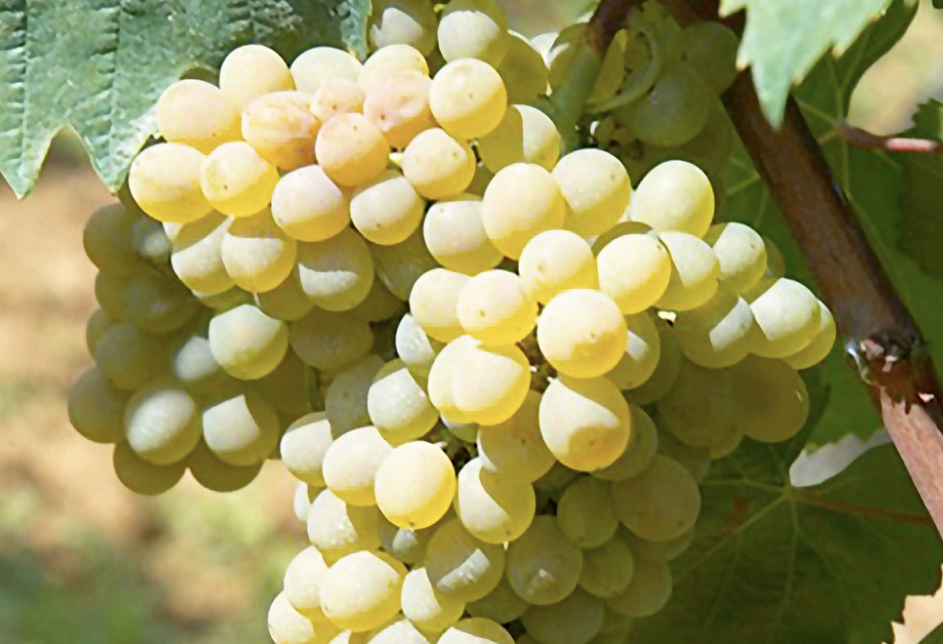
The Fox’s Tail of Campania Coda di Volpe is an ancient white grape of Campania, in southern Italy, named for the long, curving bunch that resembles a fox’s tail (coda di volpe). Grown around Vesuvius and in the hills of the Sannio, it produces soft, fruity, gently aromatic whites of easy charm, and is a traditional component of Lacryma Christi del Vesuvio. A grape of deep local roots, it is a characterful part of Campania’s rich white wine heritage.
An Ancient Campanian Variety Coda di Volpe has been grown in Campania since antiquity and is often linked to a grape described by the Roman writer Pliny, its distinctive tail-shaped bunches giving it its memorable name. Native to the region around Naples, Vesuvius and the Sannio hills, it is one of the many old white varieties that make Campania one of Italy’s richest and most historic zones for indigenous grapes.
Home around Vesuvius and Sannio Coda di Volpe’s heartland is the volcanic slopes of Vesuvius, where it is a key grape in the white version of the celebrated Lacryma Christi, and the hills of the Sannio around Benevento, where it makes varietal wines. The volcanic and calcareous soils of these zones, together with Campania’s warm climate, shape its soft, fruity, characterful whites.
In the Vineyard Coda di Volpe ripens well in Campania’s warm climate, giving generous bunches of ripe, relatively low-acid grapes, its long, curving clusters a distinctive sight in the vineyard. Grown on volcanic and hillside soils, it yields soft, fruity fruit that benefits from careful management to retain freshness. Its ripeness and gentle acidity shape the round, approachable style of its wines.
Appearance and Structure Coda di Volpe gives pale to golden, medium-bodied dry whites with soft, moderate acidity, a gentle, rounded texture and a smooth, fruity character. Fuller and softer than many crisp Italian whites, it offers body and easy appeal rather than sharp freshness, producing wines that feel supple and approachable. This roundness and gentle structure are the grape’s defining traits.
Aromatic Profile The aromas are soft and fruity — ripe orchard fruit, apple, pear and melon — with white flowers, a hint of herbs and a gently nutty, mineral note, especially from volcanic sites. Rather than sharp aromatics, Coda di Volpe offers a mellow, fruity fragrance and a rounded palate, its soft, ripe character giving the wines an easy, approachable charm well suited to the Campanian table.
In the Cellar Coda di Volpe is usually vinified in stainless steel to preserve its soft fruit and gentle freshness, producing rounded, approachable dry whites, both as a varietal and as a component of blends such as Lacryma Christi del Vesuvio bianco. Some producers use lees contact or a touch of oak for added texture in the fuller styles, but the emphasis is generally on soft, fruity, easy appeal.
Key Expressions
- Lacryma Christi del Vesuvio bianco: the famous volcanic white, built partly on Coda di Volpe.
- Sannio Coda di Volpe: the varietal white of the Benevento hills.
- Volcanic-site bottlings: mineral-tinged wines from Vesuvius.
- Blends: a soft, rounded component in Campanian whites.
The Question of Aging Coda di Volpe is generally best enjoyed young, within a year or two, when its soft fruit and gentle freshness are at their most appealing. Its moderate acidity means it is not built for long cellaring, though the more structured, volcanic-site examples can hold for a few years, gaining a little breadth. The grape’s charm lies chiefly in its youthful, rounded, fruity character.
At the Table Coda di Volpe’s soft body and gentle, fruity character make it a versatile partner for Campanian cuisine — seafood and fish, vegetables, fresh cheeses, light pasta and antipasti. Its rounded texture and easy freshness suit both delicate and moderately rich dishes, while the volcanic, mineral versions add a savoury edge that flatters the region’s coastal and vegetable-forward cooking.
Why It Matters Coda di Volpe is one of Campania’s characterful ancient whites — a soft, fruity, distinctively named grape that helps make the famous Lacryma Christi of Vesuvius and stands on its own in the Sannio hills. A link to the region’s antique wine culture, it embodies the soft, approachable, sun-warmed style that complements the rich diversity of Campania’s native white grapes.