
Erbaluce
Piedmont's alpine white from the Canavese—capable of producing bone-dry still wines, elegant sparklings, and a magnificent late-harvest Passito.
Erbaluce is a grape variety most associated in Italy with Erbaluce di Caluso, Colline Novaresi and Coste della Sesia.
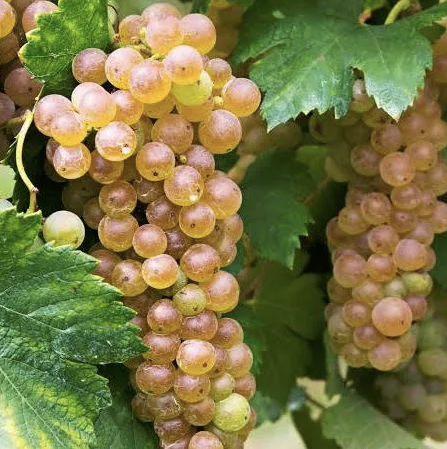
The Versatile White of Northern Piedmont Erbaluce is a distinctive native white grape of northern Piedmont, remarkable for its versatility and its searing natural acidity. From a single variety it produces three quite different wines — crisp dry whites, fine traditional-method sparkling, and a celebrated sweet passito — making it one of the most multifaceted grapes in Italy. It is the proud white of the Canavese, in the alpine foothills north of Turin.
Not a Greco. Around Novara and Caluso the variety is still sometimes called Greco, or Greco di Caluso, and this is a mistake. There are some genetic similarities between Erbaluce and the Greco of Campania, but the two are distinct varieties and the wines have nothing in common.
Origins and Name Erbaluce is an ancient variety of northern Piedmont, and its name is romantically linked to erba (grass) and luce (light), evoking the golden-green, sun-touched colour of its ripe grapes. There is even a local legend tying it to a nymph named Albaluce, born of the dawn — a fitting myth for a grape whose berries take on a coppery, sunlit hue when fully ripe.
A Grape of the Canavese Erbaluce’s heartland is the Canavese and the area around Caluso in the alpine foothills north of Turin, where the moraine soils left by ancient glaciers and the cool, alpine-influenced climate give the wines their freshness and minerality. The high acidity that the cool climate preserves is the foundation of all three of the grape’s distinctive styles.
In the Vineyard A vigorous, late-ripening variety, Erbaluce retains very high acidity even when fully ripe, which is its defining characteristic and the key to its versatility. Traditionally trained on high pergolas, it is well adapted to the cool northern climate, and the best wines come from good hillside and moraine sites that concentrate its citrussy, mineral character.
Appearance and Structure Erbaluce gives pale, often greenish whites of light to medium body, with vivid, racy acidity and a lean, mineral structure. It is a wine of freshness and tension rather than weight or aromatic flamboyance, its bracing acidity giving it both its crisp appeal as a dry wine and its remarkable suitability to sparkling and sweet styles.
Aromatic Profile The signature is citrus, green apple and white flowers lifted by a stony, mineral character and, in the dry wines, a fresh, herbal edge. The sparkling wines add bready, autolytic notes, while the passito develops honey, dried apricot, candied citrus and nuts — the grape’s high acidity keeping even the sweet wines fresh and balanced.
In the Cellar Erbaluce’s high acidity makes it a winemaker’s chameleon. As a still wine it is vinified crisp and dry; as a sparkling wine it shines in the traditional bottle-fermented method, its acidity giving freshness and ageability; and as Caluso Passito it is made from grapes dried for months, producing a rich, balanced sweet wine of real distinction.
Key Expressions
- Erbaluce di Caluso (DOCG): the benchmark dry white — crisp, mineral and citrussy.
- Caluso Spumante: fine traditional-method sparkling wine built on the grape’s acidity.
- Caluso Passito (DOCG): the celebrated sweet wine from dried grapes.
- Canavese bottlings: fresh everyday whites from the alpine foothills.
The Question of Aging The dry wines are usually enjoyed young for their crisp freshness, though the best can develop a honeyed, mineral complexity over several years. The sparkling and, above all, the passito are built to age, the sweet wines in particular maturing for decades thanks to their concentration and acidity.
At the Table The crisp dry whites are ideal with seafood, antipasti, vegetable dishes and fresh cheeses; the sparkling wines make fine aperitifs and seafood partners; and the rich passito is a classic match for dried fruit, nuts, hard aged cheeses and the traditional desserts of Piedmont. Few grapes cover so wide a culinary range.
Why It Matters Erbaluce is northern Piedmont’s versatile treasure — a single grape that, through its searing acidity, gives crisp dry whites, fine sparkling wines and a celebrated sweet passito, and a proud expression of the cool, alpine-influenced terroir of the Canavese.