
Friularo
A variant name for Raboso cultivated in the Bassa Padovana, making bold, tannic reds of Veneto character built for patient aging.
Friularo is a grape variety most associated in Italy with Bagnoli Friularo.
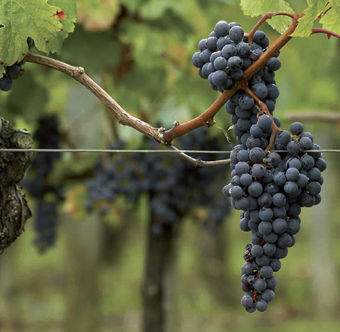
Friularo is the proud red grape of the Bagnoli plain south of Padua, a fierce and structured variety with deep historic roots in the Veneto. Genetically the same as the Raboso of the Piave, it has developed its own distinct identity and traditions in this corner of the region, crowned by its own dedicated appellation. Austere, ageworthy and steeped in local lore, Friularo is a compelling taste of Venetian heritage.
Origins and history Friularo is the local name in the Bagnoli area for the Raboso grape, long cultivated on the flat lands of the southern Padua province. The name is often linked to the cold of winter, or friûl, a nod to the very late harvest that defines the grape’s tradition. It has been grown here for centuries, deeply woven into the agricultural and cultural life of the Bagnoli di Sopra district and celebrated as a symbol of local resilience.
A wine of Saint Martin Friularo earned its own DOCG, Bagnoli Friularo, in 2011, one of the newer classifications of the Veneto. Its most distinctive tradition is the late harvest, or vendemmia tardiva, in which the grapes may only be picked after the eleventh of November, the feast of Saint Martin. This very late gathering, allowing the fruit to hang deep into autumn, is central to the grape’s identity and to the concentrated wines it can produce.
Appearance and structure Friularo yields deeply coloured reds from its thick-skinned, blue-black berries. The wines are full-bodied and defined by their marked acidity and firm, sometimes aggressive tannins, a ferocity that echoes the grape’s Raboso heritage, whose name locally means angry. This is a robust, structured red built on power and freshness rather than softness, demanding time and the right food to show its best.
Aromatic profile The nose offers deep, dark fruit, black cherry, plum and blackberry, lifted by violets and a touch of sweet spice. With age the wines develop leather, tobacco and balsamic complexity, while the late-harvest and passito versions add rich, dried-fruit sweetness. Throughout runs a savoury, tart character in keeping with the grape’s bracing acidity and structured frame.
In the vineyard Friularo thrives on the alluvial plains of the Bagnoli district, where its very late ripening allows the fruit to hang until well into November. Its large, compact, winged clusters carry thick-skinned berries rich in colour, tannin and acidity. This late harvest and complex polyphenolic profile are the keys to its structure, giving the grower both a challenge and the raw material for serious, long-lived wines.
In the cellar The challenge of taming Friularo’s fierce tannins has produced several styles. Dry versions are typically aged in oak to soften and add spice, while the traditional vendemmia tardiva and passito styles use late-harvested or dried grapes to make richer, sometimes sweet wines of great concentration. Extended ageing in wood and bottle is generally essential to bring the grape’s austere structure into harmony.
Key expressions
- Structured, oak-aged dry Bagnoli Friularo DOCG reds.
- Vendemmia tardiva late-harvest wines picked after Saint Martin’s Day.
- Sweet passito versions from dried grapes.
- Austere, ageworthy reds for the hearty Venetian table.
The question of aging Friularo is emphatically built for the cellar, its high acidity and firm tannins acting as natural preservatives that demand and reward patience. The best dry examples evolve over a decade or more, their austere youth resolving into mellow leather, spice and dried-fruit complexity. The late-harvest and passito styles are likewise long-lived, deepening in richness and harmony over many years.
At the table Friularo’s acidity and tannin make it a formidable partner for rich, fatty food, excelling with braised and roasted meats, game, hearty stews and aged cheeses. Its bracing freshness cuts cleanly through robust country cooking, making it a wine for the winter table. The sweet versions pair beautifully with mature cheeses and desserts. Serve dry styles at cool room temperature.
Why it matters Friularo gives the Bagnoli plain a red of genuine character and deep tradition, a distinct local expression of Raboso crowned by its own appellation and its unique Saint Martin’s Day harvest. Its austere structure and remarkable longevity make it a serious wine, while its history lends it real romance. For those exploring the Veneto beyond its famous names, Friularo is a rewarding and authentic discovery.