
Grignolino
Piedmont's pale, peppery native—light in color and body but surprisingly high in tannin, producing wines of unique texture and spice around Asti.
Grignolino is a grape variety most associated in Italy with Grignolino d'Asti and Grignolino del Monferrato Casalese.
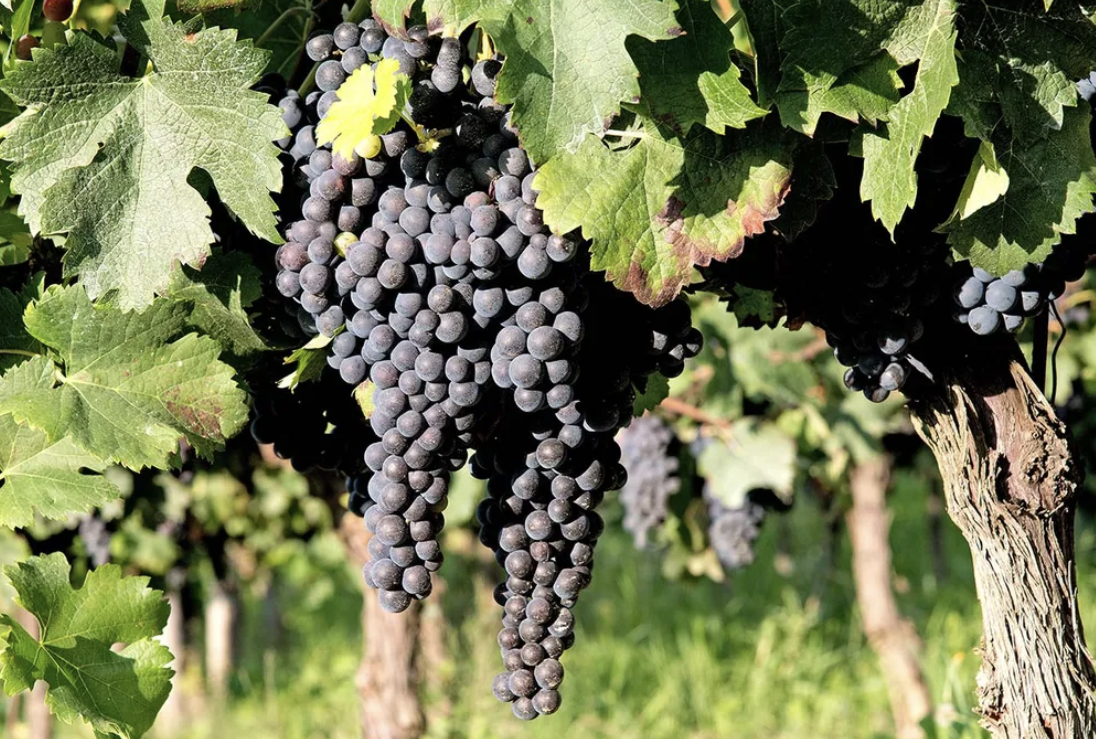
The Pale Charmer of Monferrato Grignolino is one of Piedmont’s most distinctive and idiosyncratic native red grapes, producing pale, aromatic, high-tannin wines quite unlike any other. Light in colour but firm in grip, fragrant and peppery, it is a wine that divides and delights in equal measure — a connoisseur’s red, beloved by those who prize character and individuality over power, and a proud speciality of the Monferrato hills.
Origins and Name Grignolino is an old variety of the Monferrato in south-eastern Piedmont, and its name is often linked to the local dialect word grignole, meaning the pips or seeds, of which the grape has an unusually high number. This abundance of pips is significant, for it is the source of the grape’s hallmark — a firm, sometimes assertive tannin quite at odds with its pale, delicate colour.
A Grape of the Monferrato Grignolino’s heartland is the Monferrato hills around Asti and Casale Monferrato, where the calcareous, sometimes sandy soils and the continental climate give the wines their fragrance, freshness and structure. It is a grape of its place, rarely grown successfully elsewhere, and its finest expressions come from the traditional Monferrato zones that have always championed it.
In the Vineyard A capricious, early-budding and late-ripening variety, Grignolino is notoriously difficult to grow, sensitive to site and prone to uneven results, which has kept it a minority grape. Its high pip count and thin skins demand careful handling, and good sites and low yields are essential to achieving the balance of perfume, freshness and firm-but-fine tannin that marks its best wines.
Appearance and Structure Grignolino gives notably pale, light ruby wines — sometimes barely darker than a rosé — yet with surprisingly firm, sometimes grippy tannins and bright, fresh acidity. This paradox of delicate colour and assertive structure is its defining trait, producing a light-bodied but characterful and food-friendly red of real individuality.
Aromatic Profile The signature is fresh red fruit — red cherry and strawberry — lifted by white pepper, dried roses, herbs and a savoury, sometimes faintly bitter character. The aromas are fragrant and delicate, the pepper and florality giving the wines an aromatic charm that, combined with their firm tannin, makes them genuinely distinctive.
In the Cellar Grignolino is usually made fresh and unoaked, to preserve its delicate perfume and emphasise its bright fruit and firm tannin. Heavy extraction and oak would overwhelm its pale, fragrant character, so the best winemaking is gentle and restrained, aiming to balance the grape’s natural tannin and acidity into a fresh, characterful, food-friendly wine.
Key Expressions
- Grignolino d’Asti: the benchmark — pale, fragrant, peppery, firm-tannined reds from the Asti hills.
- Grignolino del Monferrato Casalese: characterful expressions from around Casale Monferrato.
- Traditional unoaked bottlings: fresh, perfumed wines that showcase the grape’s individuality.
- Artisan revival wines: championed by growers who prize its distinctive character.
The Question of Aging Most Grignolino is made for fresh, fragrant, relatively early drinking, prized for the perfume and lively character that are at their best in youth. Some structured examples can hold and develop savoury complexity over a few years, but the grape’s appeal lies chiefly in its fresh, aromatic, characterful youth.
At the Table Its light body, firm tannin, fresh acidity and pepper make Grignolino a uniquely versatile food red, even suiting dishes that defeat fuller wines: antipasti and salumi, fish and seafood, vegetable and egg dishes, and the lighter cuisine of Piedmont. Served slightly cool, it bridges the gap between red and white at the table.
Why It Matters Grignolino is one of Piedmont’s true originals — a pale, peppery, firm-tannined red that defies expectations and rewards the curious, and a characterful speciality of the Monferrato that lovers of individual, food-friendly wine prize above many grander and more powerful reds.