
Lagrein
Alto Adige's powerhouse native—producing inky, densely colored reds and elegant rosés with bitter chocolate, blueberry, and dark berry character.
Lagrein is a grape variety most associated in Italy with Alto Adige and Lago di Caldaro.
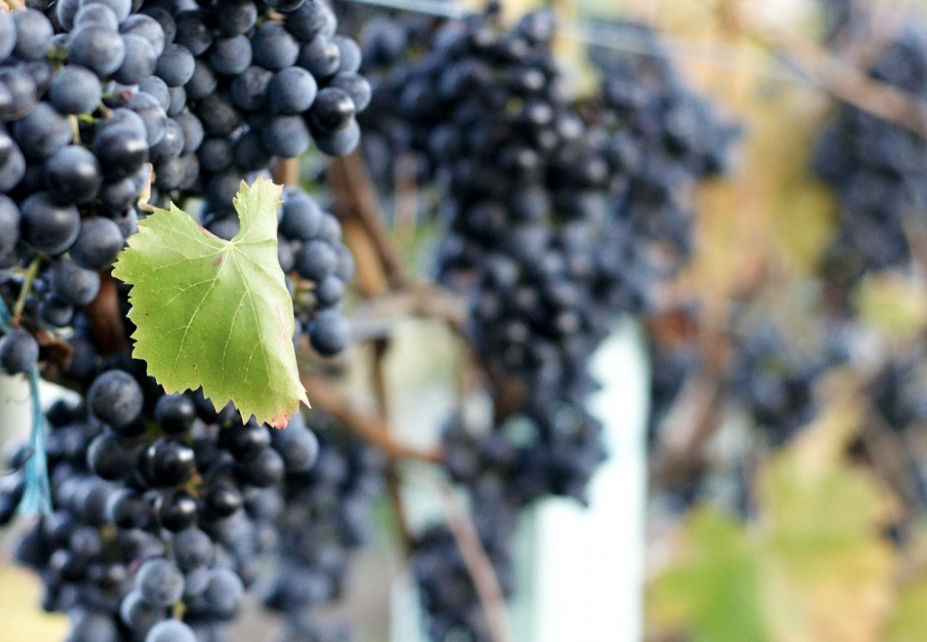
The Dark Red of the Alps Lagrein is the characterful native red grape of Alto Adige in Italy’s far north, producing deeply coloured, richly fruited wines with a distinctive savoury, slightly bitter edge. Centred on the city of Bolzano, it is one of the most distinctive alpine reds in Italy — a wine that combines southern-style colour and depth with the freshness and structure of its cool mountain home.
Origins and Lineage Lagrein is an old variety native to the Alto Adige and the wider alpine region, and DNA research has revealed it to be an offspring of Teroldego and a relative of the Dureza-Syrah and Pinot families. This noble alpine parentage helps explain its deep colour, dark fruit and the firm structure that the best examples display, linking it to a web of historic northern Italian grapes.
A Grape of Bolzano Lagrein’s heartland is the warm valley floor around Bolzano, where the gravelly alluvial soils and the relative warmth of this alpine basin allow the late-ripening grape to reach full maturity. The districts of Gries and Santa Maddalena on the city’s edge are especially associated with the grape, giving its most concentrated and characterful expressions.
In the Vineyard A late-ripening, vigorous variety, Lagrein needs the warmest sites in Alto Adige to ripen fully and tame its naturally firm tannins. Grown on the gravelly soils around Bolzano, with warm days and cool alpine nights, it develops deep colour and dark fruit while retaining the freshness that distinguishes it from warmer-climate reds.
Appearance and Structure Lagrein gives deeply coloured, near-opaque wines of full body with firm, sometimes robust tannins, good acidity and a characteristic savoury, faintly bitter finish. The wines combine richness and depth of fruit with alpine freshness and grip, making them substantial yet lively, structured yet aromatic.
Aromatic Profile The signature is dark fruit — blackberry, black cherry and plum — with notes of violet, chocolate, dried herbs, spice and a savoury, earthy, slightly bitter edge. Oak ageing adds cocoa and sweet spice. The fruit is dark and generous, the impression rich but fresh, with that distinctive bitter twist marking it as unmistakably Lagrein.
In the Cellar Lagrein is made principally as a full-bodied red — Lagrein Dunkel (“dark”) — increasingly aged in oak to round its firm tannins and add depth, as well as in a charming dry rosé form, Lagrein Kretzer. The modern challenge has been to soften the grape’s natural rusticity and bitterness into a more polished, balanced and ageworthy style.
Key Expressions
- Alto Adige Lagrein (Dunkel): the benchmark — deep, dark, structured reds, often from around Bolzano.
- Gries & Santa Maddalena: the classic districts for the grape’s most concentrated wines.
- Lagrein Kretzer: a fresh, deeply coloured, savoury dry rosé.
- Riserva bottlings: oak-aged, age-worthy expressions of greater depth.
The Question of Aging While much Lagrein is enjoyed for its rich, dark fruit in its first few years, the best oak-aged Riserva bottlings age well for a decade, the dark fruit deepening into leather, tobacco, dried herbs and earth as the firm tannins soften and integrate.
At the Table Its richness, structure and savoury edge make Lagrein a fine partner for the hearty cuisine of the Alps: roast and braised meats, game, speck and cured meats, mushroom dishes and mature mountain cheeses. The wine’s grip and freshness cut through rich, fatty alpine fare with ease.
Why It Matters Lagrein is the proud dark red of Alto Adige — a grape that brings depth, colour and savoury structure to a region better known for its whites and Pinots, and whose noble alpine lineage and distinctive character make it one of northern Italy’s most individual native reds.