
Magliocco
Calabria's most important indigenous red — richly coloured, tannic, and deeply southern in character, producing wines of genuine depth and aging potential from the sun-scorched hillsides of the Ionian and Tyrrhenian coasts.
Magliocco, also known as Magliocco Dolce and Arvino, is a grape variety most associated in Italy with Calabria and Cirò.
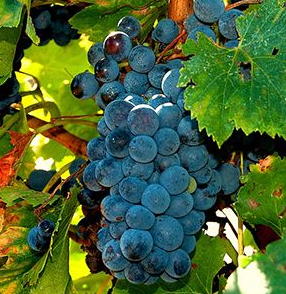
Calabria’s Structured Red Magliocco is an important native red grape of Calabria, in the deep south of Italy, producing deeply coloured, structured and spicy reds of real character. Long a mainstay of the region’s traditional wines, often alongside Gaglioppo, it is increasingly bottled as a varietal that shows its dark fruit, firm structure and warm, Mediterranean personality. A grape of the Calabrian hills, it is central to the revival of southern Italy’s red wines.
Most of its synonyms are wrong Magliocco has collected a long list of alternative names and the majority are erroneous, among them Guarnaccia Nera and Greco Nero. The Greco Nero case is the instructive one: the vine grown as Greco Nero around Lamezia Terme does appear to be Magliocco, while the Greco Nero di Sibari and Greco Nero di Verbicaro are different grapes again. Arvino, probably from Lake Arvo in la Sila, looks like a genuine synonym.
A Calabrian Native Magliocco has deep roots across Calabria, grown from the Cirò zone on the Ionian coast to the hills of the interior, where it has long been part of the region’s red-wine tradition. Its name likely refers to the compact, hard bunches of the grape. Several related types exist — notably Magliocco Dolce and Magliocco Canino — and the grape is closely tied to the historic wine culture of Italy’s southern tip.
A Partner and a Varietal Traditionally Magliocco was often blended, adding colour, structure and depth to wines based on Gaglioppo, Calabria’s other great red. In recent years, however, growers have increasingly recognised its quality as a stand-alone variety, and modern varietal Magliocco — dark, structured and spicy — has revealed a grape capable of serious, characterful wines that stand comparison with the best of the Italian south.
In the Vineyard Magliocco ripens well in Calabria’s hot, sunny, Mediterranean climate, giving deeply coloured, thick-skinned grapes of good structure. Grown on the region’s hills, often at some altitude where cooler nights preserve freshness, it yields concentrated fruit rich in colour and tannin. Careful farming and site selection are key to balancing its ripeness and power with the freshness that marks the best examples.
Appearance and Structure Magliocco gives deeply coloured, medium to full-bodied reds with firm tannins, moderate to fresh acidity and notable structure. These are robust, warming wines of real depth and grip, yet the best retain a Mediterranean freshness that keeps them balanced. The combination of deep colour, firm structure and ripe fruit gives Magliocco a serious, characterful presence among southern Italian reds.
Aromatic Profile The aromas run to ripe dark fruit — blackberry, black cherry and plum — framed by Mediterranean herbs, black pepper, spice, liquorice and a savoury, sometimes earthy character. This blend of dark fruit and savoury, spicy notes gives Magliocco a warm, brooding personality, the herbal and peppery touches adding complexity to its ripe fruit and marking it as a grape of southern intensity.
In the Cellar Magliocco is made both as a blending grape — often with Gaglioppo — and, increasingly, as a structured varietal red, sometimes aged in oak to soften its firm tannins and build complexity. The winemaker’s aim is to balance the grape’s depth, colour and structure with freshness and ripe fruit, harnessing its natural power while keeping the wines from becoming heavy or overly tannic.
Key Expressions
- Calabrian varietal reds: dark, structured, spicy modern bottlings.
- Cirò & interior blends: a colouring, structuring partner to Gaglioppo.
- Oak-aged reserve wines: concentrated, ageworthy expressions.
- Higher-altitude cuvées: fresher, more balanced wines from cooler sites.
The Question of Aging Thanks to its structure, tannin and depth, Magliocco has good aging potential, and the best varietal and oak-aged examples can develop for several years or more, the dark fruit deepening into dried, savoury, spiced and earthy complexity as the firm tannins soften. Young Magliocco can be robust and grippy, and the more structured wines often reward a few years’ patience in the cellar.
At the Table Magliocco’s structure, dark fruit and spice make it a natural partner for the hearty cuisine of Calabria and the south — grilled and roast meats, game, spicy sausages, robust pasta dishes and mature cheeses. Its firm tannins and warming character stand up to rich, boldly flavoured food, while the herbal, peppery notes flatter the region’s spicy, savoury cooking especially well.
Why It Matters Magliocco is one of Calabria’s most important and characterful native reds — a deeply coloured, structured, spicy grape at the heart of the region’s wine revival. Whether blended with Gaglioppo or bottled alone, it captures the warmth, depth and intensity of southern Italian red wine, and stands as a proud expression of Calabria’s ancient and increasingly celebrated viticulture.