
Mammolo
Tuscany's violet-scented rarity—a historic blending grape once essential in Vino Nobile di Montepulciano, contributing its distinctive floral perfume.
Mammolo is a grape variety most associated in Italy with Vino Nobile di Montepulciano, Chianti and Chianti Classico.
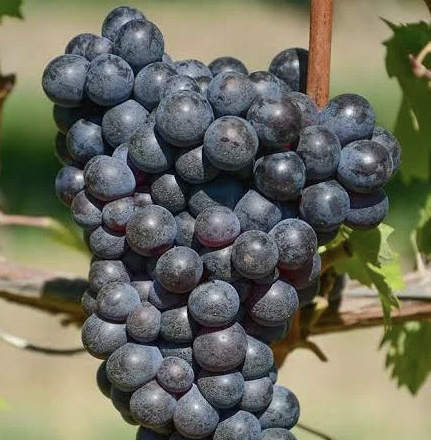
The Violet-Scented Grape Mammolo is a traditional red grape of Tuscany, treasured for the fragrance of violets that gives it its name (mammola, the sweet violet). Long a supporting grape in the great blends of Chianti, Vino Nobile di Montepulciano and beyond, it lends perfume, softness and aromatic lift to Sangiovese-based wines. A grape prized for fragrance rather than power, it is a subtle but cherished part of Tuscany’s red-wine heritage.
A Tuscan Traditional Mammolo has long been grown across central Tuscany, where it was historically included in the classic red blends of the region, from Chianti to Vino Nobile di Montepulciano and Carmignano. Valued for the perfume it contributes rather than for standing alone, it is one of the traditional companion grapes to Sangiovese, and its presence in the region’s wines stretches back over centuries of Tuscan winemaking.
A Grape of Perfume Mammolo’s defining gift is its scent of violets, a fragrance so characteristic that it gave the grape its name. In a blend it adds an aromatic lift and floral complexity to the sterner structure of Sangiovese, softening and perfuming the wine. This role as a fragrant, complementary variety, more than a source of colour or tannin, is the essence of Mammolo’s traditional place in Tuscan reds.
In the Vineyard Mammolo ripens well in Tuscany’s warm, sunny climate, giving lightly to medium-coloured, aromatic grapes of moderate structure. Grown on the region’s hillside sites, often interplanted historically with Sangiovese and other varieties, it yields fragrant fruit valued for its perfume. Careful farming helps preserve its delicate aromatics, which are the grape’s chief contribution to the wines in which it appears.
Appearance and Structure Mammolo gives medium-coloured, medium-bodied reds with soft, gentle tannins, moderate acidity and a supple, fragrant character. Rather than depth of colour or firm structure, it offers perfume, softness and aromatic charm, whether as a blending component or an occasional varietal. This gentle, fragrant personality complements the firmer, more structured Sangiovese around which Tuscan reds are built.
Aromatic Profile The signature, of course, is violets — a sweet, floral perfume — over red fruit such as cherry and berries, with notes of dried flowers, herbs and gentle spice. This floral, red-fruited fragrance is the hallmark of Mammolo and the reason it is so valued, giving both blends and the rare varietal wines a distinctive aromatic lift and an appealing, perfumed elegance.
In the Cellar Mammolo is used mainly as a fragrant blending partner to Sangiovese in traditional Tuscan reds, where a small proportion adds perfume and softness, though a few producers now bottle it as a varietal. Winemaking generally aims to preserve its delicate floral aromatics and soft texture, using gentle handling and restrained oak so that the grape’s characteristic violet perfume is not lost.
Key Expressions
- Chianti & Chianti Classico: a traditional perfuming partner to Sangiovese.
- Vino Nobile di Montepulciano: a classic complementary grape in the blend.
- Carmignano: another historic Tuscan home for Mammolo.
- Varietal bottlings: rare wines showcasing the grape’s violet perfume.
The Question of Aging As a blending grape, Mammolo contributes to wines whose aging is driven mainly by Sangiovese’s structure, to which it adds fragrance in youth. The rare varietal versions are generally enjoyed relatively young for their floral perfume and soft fruit, though they can hold for a few years. Mammolo’s gift is aromatic charm rather than the backbone needed for long cellaring on its own.
At the Table Whether as part of a Tuscan blend or a soft varietal, Mammolo’s fragrance and gentle structure suit the region’s cuisine — roast and grilled meats, game, pasta with meat sauces, cured meats and medium cheeses. Its floral perfume and supple texture flatter savoury, herb-rich Tuscan cooking, and in a blend it adds an elegant aromatic lift that makes the wines more expressive at the table.
Why It Matters Mammolo is the fragrant grace note of traditional Tuscan reds — a grape whose violet perfume has scented Chianti and Vino Nobile for centuries. Valued for aroma rather than power, it embodies the older, blended tradition of Tuscan winemaking, and its distinctive floral character remains a subtle but treasured contribution to some of Italy’s most famous and historic wines.