
Monica
Sardinia's soft, dark-fruited everyday red — generously planted across the island, producing approachable, cherry-driven wines of modest structure and immediate pleasure.
Monica, also known as Monica di Sardegna, is a grape variety most associated in Italy with Sardinia (Sardegna).
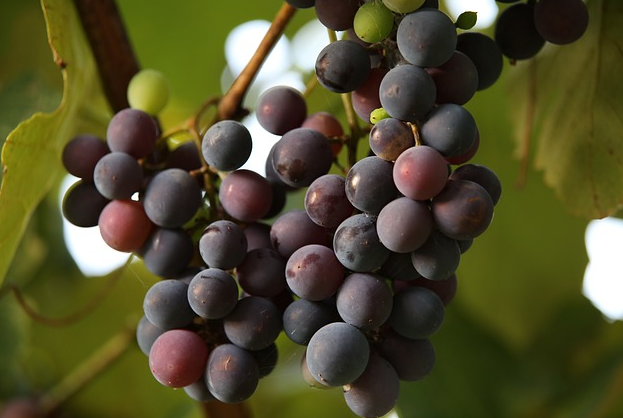
Sardinia’s Easygoing Red Monica is a widely grown red grape of Sardinia, producing soft, fruity, approachable reds that are among the island’s most reliable everyday wines. Medium-bodied, gently spiced and immediately drinkable, Monica di Sardegna is a staple of the Sardinian table — a wine of easy charm rather than power, valued for its freshness, suppleness and versatility with the hearty cuisine of the island.
Not Spain’s Morillo Monica was once called Monaca, and its synonyms Niedda Mora and Mora di Spagna hint at a Spanish origin. A 1933 hypothesis made it identical to Spain’s Morillo, and that is not so. Genetic work instead shows a close affinity with Nieddu Mannu, sharing an allele at each of twelve loci, and with Carenisca, a little-known variety of the Sulcis.
A Sardinian Staple Monica is planted across much of Sardinia and is one of the island’s most important red grapes for volume, giving the everyday wines that accompany daily life. Its precise origins are debated — some suggest a Spanish connection, reflecting Sardinia’s long ties to the Iberian world — but whatever its roots, it has become thoroughly Sardinian, a familiar and well-loved part of the island’s wine tradition.
A Grape for Drinking, Not Cellaring Monica’s role is to make appealing, uncomplicated reds for early, pleasurable drinking rather than serious, structured wines for the cellar. Its charm lies in its soft texture, ripe fruit and easy approachability, qualities that make it a natural partner for food and everyday enjoyment. This unpretentious character is precisely the point, and it accounts for the grape’s popularity across the island.
In the Vineyard Monica ripens well in Sardinia’s warm, sunny, Mediterranean climate, giving generous crops of ripe, soft-skinned grapes. A reliable, adaptable variety, it is grown across a range of the island’s soils and conditions, and careful yield management helps lift its quality from simple everyday wine to something more characterful. Its dependability and ripeness are among the reasons for its wide cultivation.
Appearance and Structure Monica gives medium-coloured, medium-bodied reds with soft, gentle tannins, moderate acidity and a supple, approachable texture. These are wines of easy drinkability rather than structure or power, their softness and ripe fruit making them immediately appealing. The gentle tannins and balanced body give Monica a smooth, friendly character that is refreshing and versatile at the table.
Aromatic Profile The aromas are fresh and fruity — red cherry, plum and berries — with gentle notes of Mediterranean herbs, spice and a warm, earthy undertone. Rather than depth or complexity, Monica offers bright, appealing fruit and easy fragrance, its herbal and spiced touches adding interest. This straightforward, ripe, fruity character is the source of the grape’s charm and everyday appeal.
In the Cellar Monica is generally vinified to preserve its fresh, ripe fruit and soft texture, using gentle extraction and little or no new oak, producing supple, approachable reds for early drinking. It is made both dry and, traditionally, in sweeter styles, and appears as a varietal and occasionally in blends. The winemaking emphasises fruit, freshness and drinkability over structure or extraction.
Key Expressions
- Monica di Sardegna DOC: the soft, fruity, island-wide everyday red.
- Monica di Cagliari: a traditional expression, including sweeter styles.
- Fresh varietal reds: juicy, supple wines for the table.
- Blends: a soft, fruity component in some Sardinian reds.
The Question of Aging Monica is made to be enjoyed young, within a year or two, when its fresh fruit and soft, supple character are at their most appealing. It is not a wine built for the cellar, and long aging brings little reward; the pleasure of Monica lies in its youthful, juicy freshness and easy drinkability, best appreciated while the wine is bright, fruity and vivacious.
At the Table Monica’s soft tannins, ripe fruit and easy character make it a versatile, food-friendly red, suited to everyday Sardinian dishes — grilled and roast meats, pasta, cured meats, pizza and medium cheeses. Its approachability and gentle structure let it partner a wide range of casual food, and served slightly cool it makes a refreshing, adaptable red for relaxed, convivial meals.
Why It Matters Monica is the friendly, everyday face of Sardinian red wine — a soft, fruity, approachable grape that fills the island’s tables with easy, pleasurable drinking. Unpretentious and versatile, it may not aspire to greatness, but it embodies the convivial, food-loving spirit of Sardinian wine culture, and remains one of the island’s most widely enjoyed and dependable reds.