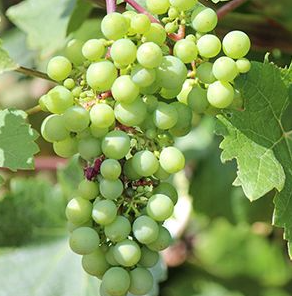
Nosiola is a grape variety most associated in Italy with Trentino.
Trentino’s Native White Nosiola is the only significant native white grape of Trentino, in the mountainous north of Italy, and a variety of quiet charm and real distinction. It produces fresh, dry whites of subtle nutty character and, most famously, the region’s treasured sweet wine, Vino Santo Trentino. Deeply tied to its alpine home, Nosiola is a grape that rewards attention, offering both a delicate everyday white and one of Italy’s great dessert wines.
A Grape of the Mountains Nosiola is native to Trentino, grown especially in the Valle dei Laghi and around the shores of Lake Garda’s northern reaches, where the alpine climate is tempered by the lake. Its name is thought to derive from the hazelnut (nocciola), a nod to the subtle nutty note in its wines. As the region’s sole important native white, it holds a special place in Trentino’s wine identity.
The Vino Santo Tradition Nosiola’s greatest fame rests on Vino Santo Trentino, a rare sweet wine made from grapes dried on racks through the winter until Holy Week, when they are pressed. This long appassimento, aided by the drying ora del Garda wind, concentrates the sugars enormously, and the wine is then aged for years in barrel. The result is one of Italy’s most distinctive and long-lived sweet wines.
In the Vineyard Nosiola ripens relatively late and keeps good acidity in Trentino’s cool, alpine-influenced climate, making it well suited to both dry and sweet styles. For dry wine the grapes are picked at normal ripeness; for Vino Santo the healthiest bunches are laid out to dry for months. Grown on the region’s stony, well-drained soils, it gives modest yields of balanced, characterful fruit.
Appearance and Structure As a dry wine, Nosiola is pale, light to medium-bodied and defined by fresh acidity, a delicate texture and a subtle nutty, savoury finish. As Vino Santo it becomes deep amber, rich and concentrated, yet balanced by acidity that keeps it from cloying. In both forms the grape shows finesse and freshness rather than weight, its delicacy being central to its appeal.
Aromatic Profile The dry wines offer white flowers, apple, pear, citrus and a characteristic hint of hazelnut, with a fresh, herbal, mineral edge. Vino Santo is far richer — dried apricot, honey, candied citrus, nuts and spice — but always lifted by acidity. Across both styles, Nosiola’s subtle nuttiness and floral, orchard-fruit character give it a gentle, understated personality.
In the Cellar Dry Nosiola is typically vinified in stainless steel to preserve its freshness and delicate aromatics, and is sometimes given lees contact for added texture. Vino Santo is made from long-dried grapes, fermented very slowly and aged for years in small barrels, developing extraordinary concentration and complexity. The two styles demand quite different approaches, but both aim to honour the grape’s finesse.
Key Expressions
- Trentino Nosiola: the fresh, delicate, subtly nutty dry white.
- Vino Santo Trentino: the rare, long-aged dried-grape sweet wine.
- Valle dei Laghi bottlings: the grape’s classic heartland expressions.
- Lees-aged dry styles: fuller, more textured versions of the still wine.
The Question of Aging Dry Nosiola is generally best enjoyed young, within a few years, for its fresh, delicate character, though its acidity gives it decent staying power. Vino Santo, by contrast, is one of Italy’s most ageworthy sweet wines: its concentration, sugar and acidity allow it to develop for decades, the dried fruit and honey deepening into remarkable notes of caramel, nut and spice.
At the Table Dry Nosiola suits antipasti, freshwater fish, alpine cheeses and the delicate cuisine of Trentino, its freshness and subtle nuttiness making it versatile at the table. Vino Santo is a classic meditation wine and a partner for dried fruit, nuts, almond pastries and mature or blue cheeses, its concentrated sweetness and balancing acidity standing up to rich, intense flavours.
Why It Matters Nosiola is the proud native white of Trentino — a delicate, subtly nutty grape that gives both a charming dry wine and the extraordinary Vino Santo. As the region’s only significant indigenous white, it carries a distinct alpine identity, and its rare, long-lived sweet wine ranks among the most singular and treasured expressions in all of Italian viticulture.