
Nuragus
Sardinia's most widely planted ancient white grape — light, crisp, and neutral, valued for fresh everyday drinking and as a link to the island's prehistoric viticultural heritage.
Nuragus, also known as Nuragus di Cagliari, is a grape variety most associated in Italy with Sardinia (Sardegna).
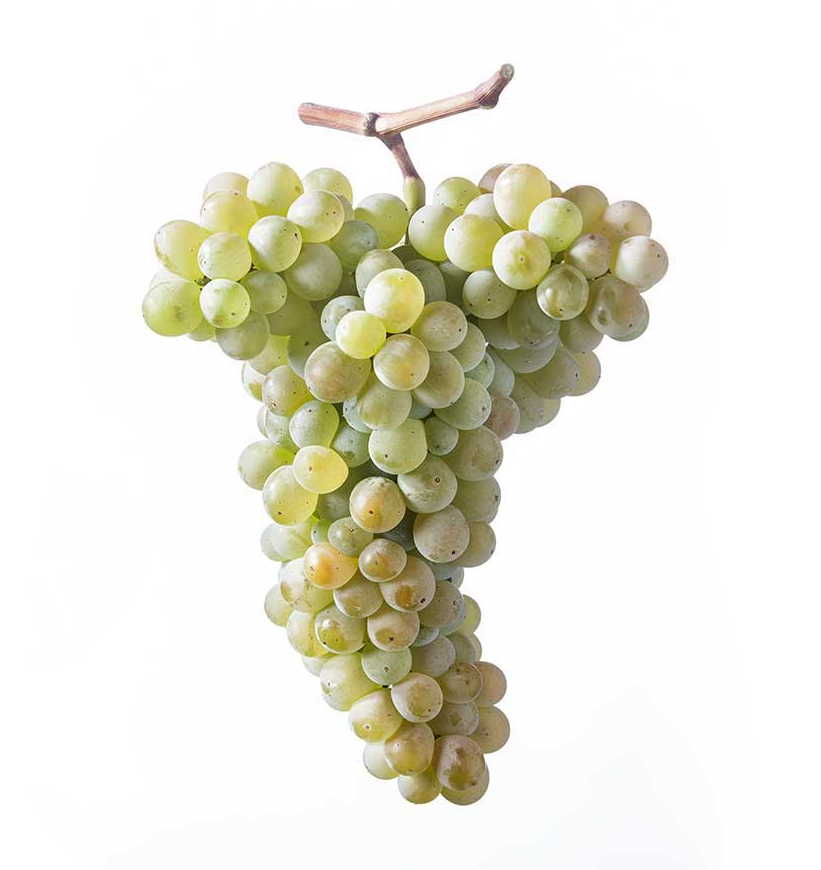
Sardinia’s Ancient White Nuragus is one of the oldest and most widely planted white grapes of Sardinia, producing light, fresh, crisp whites that are among the island’s most traditional everyday wines. Named for the ancient stone nuraghe towers that dot the Sardinian landscape, it is a grape of deep antiquity, thought to have been brought by early Mediterranean settlers, and remains a staple of the wine culture around Cagliari and the Campidano plain.
A Grape of Deep Antiquity Nuragus takes its name from the nuraghi, the prehistoric stone structures unique to Sardinia, underlining its ancient presence on the island. It is often said to have been introduced by Phoenician settlers thousands of years ago, making it one of the oldest cultivated grapes in Sardinia. This long history ties it firmly to the island’s identity and to its enduring tradition of simple, refreshing white wine.
Home in the Campidano Nuragus is grown above all in southern Sardinia, on the Campidano plain and in the hills around Cagliari, where it thrives in the warm, sunny climate. Historically one of the island’s most planted whites, it supplied the everyday wine of the region, and while its plantings have declined from their peak, it remains a widely grown and characteristically Sardinian grape, central to the local white-wine tradition.
In the Vineyard Nuragus is a vigorous, productive variety that crops generously in Sardinia’s warm climate, ripening to give fresh, relatively neutral fruit. Historically prized for its reliability and abundance, it needs restrained yields to give real character rather than merely quantity. Grown across the plains and low hills of the south, it yields light, crisp grapes well suited to fresh, easy-drinking white wine.
Appearance and Structure Nuragus gives pale, light-bodied dry whites with fresh, lively acidity, low to moderate alcohol and a clean, crisp finish. These are wines of lightness and refreshment rather than weight or complexity, their brightness and easy character making them thirst-quenching and food-friendly. The grape’s fresh acidity and delicate body give its wines a simple, appealing, everyday charm.
Aromatic Profile The aromas are delicate and fresh — citrus, green apple, white flowers and a subtle herbal, sometimes faintly saline note. Rather than intense or exotic fruit, Nuragus offers restraint and freshness, its light, clean aromatics giving the wines a crisp, appetising character. This understated, fresh personality is the grape’s hallmark, making its wines easy, versatile and refreshing rather than showy.
In the Cellar Nuragus is usually vinified in stainless steel to preserve its fresh acidity and clean, delicate aromatics, producing crisp, unoaked dry whites for early drinking. Occasionally it appears in lightly sparkling or off-dry styles. The winemaking is deliberately simple and fresh, aiming to capture the grape’s light, crisp, thirst-quenching character rather than to build weight or complexity through oak or extended aging.
Key Expressions
- Nuragus di Cagliari DOC: the classic light, crisp, everyday Sardinian white.
- Campidano bottlings: fresh wines from the island’s southern plain.
- Frizzante styles: lightly sparkling versions for warm-weather drinking.
- Everyday table whites: simple, refreshing wines for the Sardinian table.
The Question of Aging Nuragus is made to be enjoyed young, within a year of the vintage, when its fresh acidity and clean, crisp character are at their best. It is a grape for immediate, refreshing drinking rather than the cellar, and age brings no reward; the pleasure of Nuragus lies entirely in its youthful freshness and lightness, best appreciated while the wine is crisp, bright and lively.
At the Table Nuragus’s lightness, fresh acidity and clean character make it a natural partner for Sardinian seafood — grilled fish, shellfish and seafood pasta — as well as antipasti, vegetables, fresh cheeses and light dishes. Its crisp, refreshing style cuts through fried and oil-rich food, and served well chilled it makes an easy, versatile everyday white for warm-weather and coastal cooking.
Why It Matters Nuragus is a living link to Sardinia’s ancient past — one of the island’s oldest and most traditional white grapes, named for its prehistoric stone towers. Light, fresh and unpretentious, it embodies the simple, thirst-quenching, food-friendly spirit of everyday Sardinian white wine, and remains a characterful and historically resonant part of the island’s rich viticultural heritage.