
Petit Rouge
The workhorse of the Aosta Valley—producing the region's most typical reds, from the light Vallée d'Aoste Torrette to the structured Enfer d'Arvier.
Petit Rouge is a grape variety most associated in Italy with Valle d'Aosta.
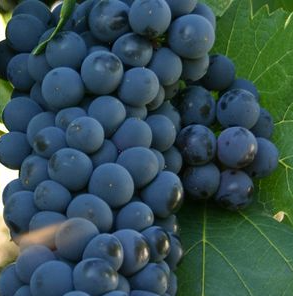
The Heart of Torrette Petit Rouge is the most widely planted red grape of the Valle d’Aosta, Italy’s smallest and most mountainous wine region, and the backbone of its best-known red, Torrette. Producing floral, medium-bodied wines of bright fruit and alpine minerality, it is the everyday red of the Aosta valley — often likened to a mountain Beaujolais for its fresh, fruity, approachable charm, and a grape deeply woven into the region’s viticultural identity.
An Aosta Native Ampelographers regard Petit Rouge as indigenous to the Valle d’Aosta, where it has been grown for generations in the alpine valleys of the north-west. It is the region’s leading red variety by plantings, and it is closely tied to the central part of the valley, above all around the village of Torrette, whose eponymous wine has carried the grape’s reputation. Its roots run deep in local mountain tradition.
The Torrette Blend Petit Rouge’s flagship is Valle d’Aosta Torrette, which must contain at least seventy per cent of the grape, the balance made up of local varieties such as Fumin, Vien de Nus, Neyret and others. For Torrette the grape is held to lower yields and the wine aged in wood, producing a more serious, structured expression. Petit Rouge is also blended into other regional reds and bottled on its own.
In the Vineyard Petit Rouge has small, black, spherical berries with a thin, waxy, blue-purplish skin, and is a late-ripening variety often harvested at relatively low acidity. Grown on the sunny, sheltered terraces of the central Aosta valley, where warm days and cool alpine nights preserve aromatics, it needs the best-exposed sites to ripen fully. Careful farming on steep, hand-worked slopes shapes its fresh, floral character.
Appearance and Structure Petit Rouge gives medium-coloured, medium-bodied reds with fresh acidity, soft, gentle tannins and a bright, floral character marked by good alpine minerality. These are wines of freshness and fragrance rather than power, their lightness and easy drinkability inviting the comparison with Beaujolais. The combination of fresh fruit, floral lift and mineral cut gives Petit Rouge its charming, food-friendly personality.
Aromatic Profile The aromas are floral and fruity — red berries, cherry and wild strawberry — lifted by violets, alpine herbs and a fresh, mineral note. This bright, perfumed character, more than depth or structure, is the hallmark of the grape, giving its wines an appealing fragrance and vivacity. The floral and herbal touches echo the mountain setting, adding a fresh, savoury complexity to the ripe fruit.
In the Cellar Petit Rouge is generally vinified to preserve its fresh fruit, floral perfume and bright acidity, using gentle handling to keep the wines light and fragrant, though for Torrette a period of wood aging adds structure and depth. As both a varietal and the base of blends, it is made in a fresh, approachable style, the winemaking aiming to capture its alpine charm rather than to build weight or extraction.
Key Expressions
- Valle d’Aosta Torrette DOC: the floral, medium-bodied flagship, at least 70% Petit Rouge.
- Torrette Superiore: riper, more structured, wood-aged versions.
- Varietal Petit Rouge: fresh, fruity, everyday alpine reds.
- Regional blends: a base for wines with Fumin, Vien de Nus and others.
The Question of Aging Most Petit Rouge is enjoyed young for its fresh fruit and floral perfume, when its brightness and fragrance are at their best. The more structured Torrette, especially the Superiore bottlings aged in wood, can develop for several years, gaining savoury, earthy complexity, but the grape’s chief appeal lies in its youthful, fresh, alpine charm rather than in long cellaring.
At the Table Petit Rouge’s light body, fresh acidity and floral character make it a versatile, food-friendly red, and a natural partner for the hearty cuisine of the Alps — cured meats, alpine cheeses such as Fontina, polenta, poultry and lighter meats. Served slightly cool, its freshness and fragrance flatter mountain fare, and its gentle structure lets it accompany a wide range of everyday dishes.
Why It Matters Petit Rouge is the everyday red of the Valle d’Aosta — the region’s most planted variety and the heart of its signature Torrette. Fresh, floral and charmingly drinkable, it captures the bright, high-altitude character of Italy’s alpine wines, and stands as one of the most important and characterful native grapes of this tiny, mountainous corner of the country.