
Pignoletto
Bologna's beloved sparkling white—crisp, aromatic, and gently frothy, the everyday sparkling wine of Emilia-Romagna.
Pignoletto is a grape variety most associated in Italy with Colli Bolognesi Pignoletto and Emilia-Romagna.
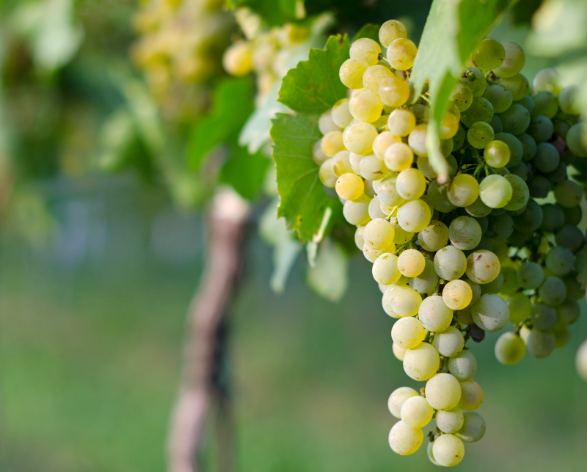
Pignoletto is the quintessential white of the hills around Bologna, a bright, easy-drinking grape that has become synonymous with the convivial food culture of Emilia. Whether still or gently sparkling, it offers crisp, fragrant refreshment that pairs effortlessly with the region’s famously rich cuisine. Long a local favourite, it has grown into one of central-northern Italy’s most enjoyable and accessible whites.
Origins and history Pignoletto has been grown in the Colli Bolognesi, the hills southwest of Bologna, for centuries, deeply woven into the fabric of Emilian life. Modern research has established that the grape is genetically identical to Grechetto Gentile, a variety more famous in Umbria, though the two have developed distinct local identities. The name is thought to derive from the compact, pine-cone shape of its grape clusters.
A grape of Emilia While it is genetically the same vine as Umbria’s Grechetto di Todi — and not the unrelated Grechetto di Orvieto, which shares the Grechetto name but nothing else — Pignoletto has forged its own reputation in Emilia as a fresh, aromatic and food-friendly white. It is bottled both as a still wine and, most characteristically, as a lively frizzante, the gently sparkling style beloved on Bolognese tables. Its dedicated appellations, including a top hillside classification, reflect the pride the region takes in its signature white.
Appearance and structure Pignoletto pours a pale straw yellow, often with greenish tints that underline its freshness. It is a light to medium-bodied wine with crisp, refreshing acidity and a clean, dry finish. In its frizzante form a fine, delicate mousse adds to the sense of liveliness, making it feel bright and thirst-quenching rather than weighty or serious.
Aromatic profile The nose is fresh and appealing, showing green apple, pear, citrus and white peach alongside gentle floral and white-blossom notes. There is often a subtle almond and herbal nuance that adds interest, and the best examples carry a hint of minerality. The aromatics are delicate rather than flamboyant, in keeping with the grape’s clean and refreshing character.
In the vineyard Pignoletto thrives on the calcareous, marine-derived soils of the Colli Bolognesi, which lend its wines freshness and a mineral edge. It is a productive variety that requires attentive yield management to preserve concentration and aromatic definition. Its compact clusters can be prone to rot in damp conditions, so good vineyard exposure and airflow are important for healthy fruit.
In the cellar Most Pignoletto is vinified simply and protectively in stainless steel to capture its crisp fruit and floral freshness. The frizzante versions are typically made by the Charmat tank method, which preserves the grape’s bright aromatics in a gently sparkling form. Some producers craft more structured still wines with lees ageing, but the emphasis is generally on freshness and immediate appeal.
Key expressions
- Gently sparkling frizzante, the classic Bolognese table wine.
- Crisp, dry still whites from the Colli Bolognesi.
- Higher-tier hillside bottlings with more concentration.
- Lees-aged versions offering added texture and depth.
The question of aging Pignoletto is above all a wine to enjoy young and fresh, when its lively fruit and crisp acidity are at their most appealing. This is not a variety built for the cellar, and most bottles are best drunk within a year or two of the vintage. The more structured, still hillside versions can hold a little longer, but freshness is always the grape’s chief virtue.
At the table Pignoletto was made for the rich food of Emilia, and it shines alongside the region’s cured meats, mortadella, fried snacks and fresh pasta. Its acidity and, in frizzante form, its gentle bubbles cut cleanly through fatty and salty dishes, refreshing the palate between bites. It also makes an excellent aperitif and a versatile everyday white. Serve it well chilled.
Why it matters Pignoletto is the liquid embodiment of Emilian hospitality, a bright and unpretentious white built to accompany one of Italy’s greatest regional cuisines. Its dual identity with Grechetto Gentile makes it a fascinating study in how one grape can develop two distinct regional personalities. For anyone seeking the authentic taste of the Bolognese table, Pignoletto is an essential and thoroughly enjoyable companion.