
Pinot Meunier
The third classic Champagne grape, found in Italy primarily in Franciacorta and Trento DOC, contributing freshness and early-drinking appeal to metodo classico blends.
Pinot Meunier is a grape variety most associated in Italy with Trento.
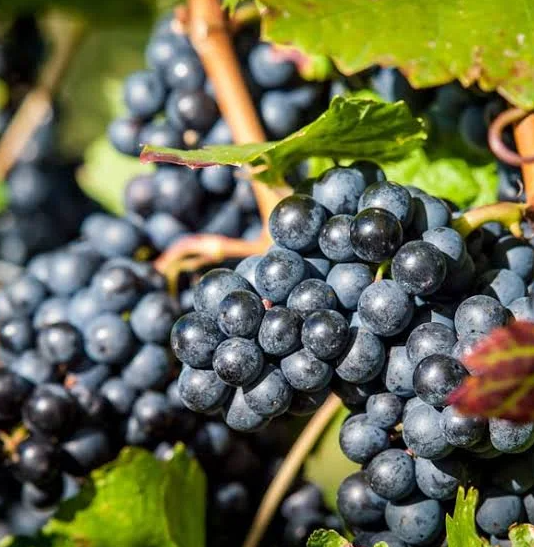
Pinot Meunier is one of the great supporting actors of the wine world, a grape that rarely takes top billing yet quietly shapes some of the most celebrated wines ever made. Best known as the third partner in the Champagne blend, it brings fruit, roundness and immediacy to the sparkling stage. Increasingly it is stepping into the spotlight on its own, revealing a character that is generous, charming and far more interesting than its humble reputation suggests.
Origins and history Pinot Meunier is a natural mutation within the vast Pinot family, closely related to Pinot Noir and sharing much of its genetic makeup. Its name comes from the French word for miller, a reference to the fine white down that dusts the undersides of its young leaves as though sprinkled with flour. It has been cultivated in the vineyards of northern France for centuries, valued for its reliability in a cool and unpredictable climate.
A grape built for the cold What sets Meunier apart from its Pinot cousins is its resilience. It buds later than Pinot Noir, which helps it escape the spring frosts that plague northern vineyards, yet it ripens reliably even in difficult years. This hardiness made it indispensable in the frost-prone valleys where other varieties struggle, and it remains a grower’s insurance policy against the vagaries of a marginal climate.
Appearance and structure As a still red wine Meunier is medium in colour and body, softer and rounder than Pinot Noir, with supple tannins and juicy acidity. In sparkling blends it contributes weight and a fleshy mid-palate that fills out leaner components. The overall impression is one of approachability, a wine that offers pleasure early and asks little of the drinker.
Aromatic profile The grape leads with bright red fruit, red cherry, raspberry and ripe strawberry, framed by floral notes and a gentle earthiness. In traditional-method sparkling wines it adds aromas of baked apple, brioche and warm bread. As a still wine it can show a savoury, forest-floor complexity that deepens with a few years in bottle.
In the vineyard Meunier’s late budding and dependable ripening make it a forgiving variety to farm, well suited to cooler sites and clay-rich soils where it retains freshness. It is naturally vigorous and productive, so careful pruning and yield control are needed to concentrate flavour. Growers prize it precisely because it delivers a crop when more temperamental grapes fail.
In the cellar Traditionally Meunier is vinified as part of a sparkling blend, where it is pressed gently and fermented to preserve its fruit and freshness. A growing number of producers now bottle it alone, either as a fruit-forward still red or as a single-variety sparkling wine that showcases its rounder, more open personality. Light oak or lees ageing can add texture without smothering its charm.
Key expressions
- Traditional-method sparkling blends, where it adds fruit and body.
- Single-variety sparkling wines highlighting its rounded generosity.
- Still red wines, soft and juicy with bright red-berry fruit.
- Rosé versions prized for their perfumed, strawberry-scented appeal.
The question of aging Meunier has long been thought of as a grape for early drinking, and many of its wines are indeed best enjoyed young and fresh. Yet well-made examples, especially sparkling wines given long lees contact, can age gracefully, developing toasty, honeyed and savoury complexity. Its fruit and acidity give it more staying power than its easygoing reputation implies.
At the table The grape’s soft tannins and bright fruit make it endlessly food-friendly, equally at home with roast poultry, charcuterie and mushroom dishes. Its sparkling versions are superb aperitifs and flatter fried and salty foods, while still reds pair happily with everyday fare. Serve reds lightly cool to accentuate their juicy freshness.
Why it matters Pinot Meunier is a reminder that the unsung members of a blend can be every bit as vital as the stars. Its resilience underpins some of the world’s most prestigious sparkling wines, and its emerging solo career is winning admirers who value honesty and charm over grandeur. For drinkers willing to look past the label, it offers immediate pleasure and a growing sense of pedigree.