
Raboso Piave
The Veneto's iron-fisted indigenous red—explosively tannic and acidic in youth, demanding years in the cellar before its austere grip softens into savory, complex depth.
Raboso Piave, also known as Raboso, is a grape variety most associated in Italy with Piave Malanotte.
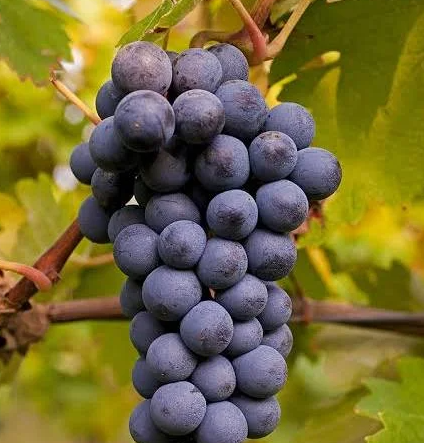
Raboso Piave is one of the fiercest and most characterful red grapes of the Veneto, a wine of uncompromising structure that wears its rusticity with pride. Named for the river whose gravelly plains it calls home, it produces deeply coloured, high-acid, tannic reds that demand time and understanding. In an age of soft, early-drinking wines, Raboso stands defiantly apart, a throwback to a robust and honest tradition.
Origins and history Raboso Piave takes its name from the Raboso river in the eastern Veneto, along whose banks it has been grown for centuries. Some suggest the name also nods to the Italian word for angry or fierce, an apt description of the grape’s untamed character. It was long the everyday red of the Piave plain, valued for its durability and its ability to survive both difficult vintages and long journeys without spoiling.
A grape of the plains Unlike many noble Italian reds that cling to prestigious hillsides, Raboso is a wine of the flat, alluvial lands where the Piave deposits its gravel and sand. This humble origin shaped its reputation as a farmer’s wine, rugged and dependable rather than refined. In recent decades a new generation of producers has recognised its potential and set about revealing the finesse hidden beneath its formidable exterior.
Appearance and structure Raboso is unmistakable in the glass, deeply coloured with a dense ruby-purple hue. Its defining features are ferocious acidity and firm, grippy tannins, a combination that makes young examples austere and demanding. This is not a wine of soft curves but of hard angles, built for structure and longevity rather than immediate seduction.
Aromatic profile Beneath its severe frame Raboso offers dark, brooding aromas of sour cherry, plum and blackberry, threaded with violet, dried herbs and a marked earthiness. With age it develops notes of leather, tobacco, spice and balsamic depth. The fruit is always tart rather than sweet, in keeping with the grape’s bracing, savoury personality.
In the vineyard Raboso ripens very late, often hanging on the vine well into autumn, which contributes to its high acidity and firm tannins. It is a vigorous, productive grape that requires yield control to achieve concentration and ripeness. The gravelly, free-draining soils of the Piave suit it well, allowing full physiological ripeness in warm years while preserving its trademark freshness.
In the cellar Taming Raboso is the winemaker’s central challenge, and several strategies have emerged. Extended ageing in oak softens its tannins and adds spice, while a traditional technique involves drying a portion of the grapes to make a richer, more supple style, the approach behind the region’s flagship appellation. Sweet passito and sparkling versions also exist, showcasing the grape’s surprising versatility.
Key expressions
- Structured, oak-aged still reds built for the cellar.
- Appassimento-influenced bottlings that soften its fierce tannins.
- Sweet passito wines from partially dried grapes.
- Traditional lightly sparkling versions for local tables.
The question of aging Few Italian reds are as clearly built for the long haul as Raboso Piave. Its towering acidity and tannin act as natural preservatives, allowing the wine to evolve over a decade or more from austere youth to a mellow, complex maturity. Time is not optional but essential, resolving the grape’s hard edges into leather, spice and dried-fruit harmony.
At the table Raboso’s acidity and tannin make it a formidable partner for rich, fatty food. It excels with braised and roasted meats, game, hearty ragùs and aged, hard cheeses, its freshness cutting cleanly through the richness. This is a wine for the winter table, for slow-cooked dishes and robust country cooking rather than delicate fare.
Why it matters Raboso Piave is a proud guardian of Veneto tradition, a grape that has resisted the tide toward softness and immediacy. Its revival by quality-minded producers proves that even the most rustic varieties can yield serious, ageworthy wines in the right hands. For drinkers who prize authenticity and structure, Raboso offers a bracing, uncompromising taste of the real Veneto.