
Tintilia
Molise's indigenous black gem—an almost-forgotten grape producing wines of remarkable concentration, spice, and character in Italy's most overlooked wine region.
Tintilia is a grape variety most associated in Italy with Tintilia del Molise.
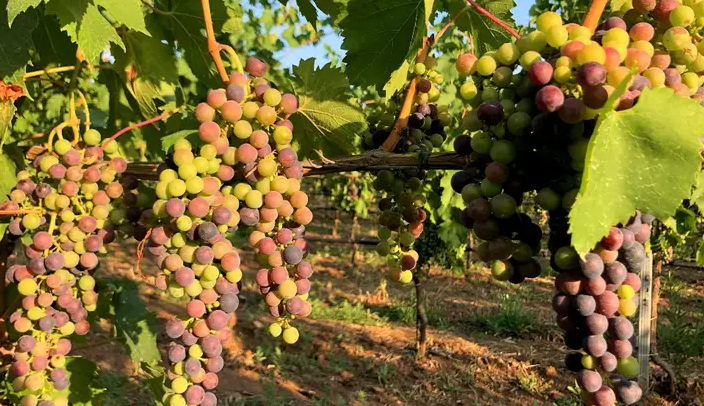
Tintilia is the proud native red of Molise, one of Italy’s smallest and least-known regions, and it has become the flag-bearer for that overlooked corner of the country. A hilltop grape that thrives at altitude, it produces deeply coloured, structured and aromatic reds of real character. For drinkers seeking to complete their map of Italian wine, Tintilia is Molise’s essential and rewarding contribution.
Origins and history Tintilia is an indigenous variety long associated with the highlands of Molise, its name thought to derive from the Spanish word for dye, a reference to its deeply pigmented wines. For much of the twentieth century it fell out of favour as growers replaced it with higher-yielding varieties, and it teetered on the edge of disappearance. Its fortunes were revived by a handful of dedicated producers who recognised its unique quality and sense of place.
The hilltop grape Tintilia is defined by altitude. Under the rules of its dedicated appellation, established in 2011, it must be grown above two hundred metres, with many vineyards climbing far higher into the cool Molisan hills. This elevation, with its wide swings between warm days and cool nights and constant breezes, preserves the grape’s natural acidity and aromatic freshness, giving the wines their distinctive balance of power and poise.
Appearance and structure The wines are deeply coloured, ranging from dense ruby to purple, reflecting the grape’s rich pigmentation. Tintilia is full-bodied with firm but elegant tannins and a savoury, structured frame supported by the fresh acidity that altitude confers. Despite its power, the best examples avoid heaviness, offering depth and grip alongside genuine freshness and length.
Aromatic profile Tintilia offers ripe dark fruit, blackberry and black cherry, layered with black pepper, spice and savoury, earthy undertones. Oak-aged versions add vanilla and a subtle balsamic note, while the altitude lends a lifted, aromatic quality. The overall impression is of a warm-climate red tempered by mountain freshness, generous yet complex and food-friendly.
In the vineyard This is a late-ripening, drought-resistant variety with small, loosely packed clusters and notoriously low yields, factors that naturally concentrate its flavours. Its preference for cool, breezy hillside sites makes altitude essential to its success, and its hardiness suits the demanding conditions of the Molisan uplands. The low yields that once made it commercially unfashionable are precisely what give it its concentration and character.
In the cellar Winemakers work in a range of styles, from fresher, fruit-driven bottlings vinified in steel to more ambitious wines aged in oak to build structure and complexity. The grape’s tannin and depth reward careful barrel work, which softens its frame and adds spice. Rosé versions also exist, showcasing the grape’s vivid colour and aromatic freshness in a lighter guise.
Key expressions
- Structured, oak-aged reds built for the cellar.
- Fresher, fruit-forward steel-vinified bottlings.
- Deeply coloured, aromatic rosés.
- High-altitude single-vineyard expressions of Molise.
The question of aging Tintilia’s combination of tannin, colour and altitude-driven acidity gives it genuine ageing potential. The best oak-aged examples evolve gracefully over five to ten years, their fruit deepening into leather, spice and dried-fruit complexity while the tannins soften. This capacity to improve in bottle marks it out as a serious red rather than merely a regional curiosity.
At the table With its structure and savoury depth, Tintilia is a natural partner for the hearty cuisine of its mountainous home, from lamb and roast meats to game, aged cheeses and rich pasta dishes. Its acidity and tannin cut through fatty, robust fare, while its aromatic complexity flatters herbs and spice. Serve at cool room temperature to show its balance.
Why it matters Tintilia gives Molise a vinous identity, a grape found virtually nowhere else that expresses the region’s high, cool hills with distinction. Its revival from near-extinction is a triumph for Italy’s biodiversity and for the growers who believed in it. For anyone seeking to explore every corner of the Italian wine map, Tintilia is the indispensable and delicious taste of Molise.