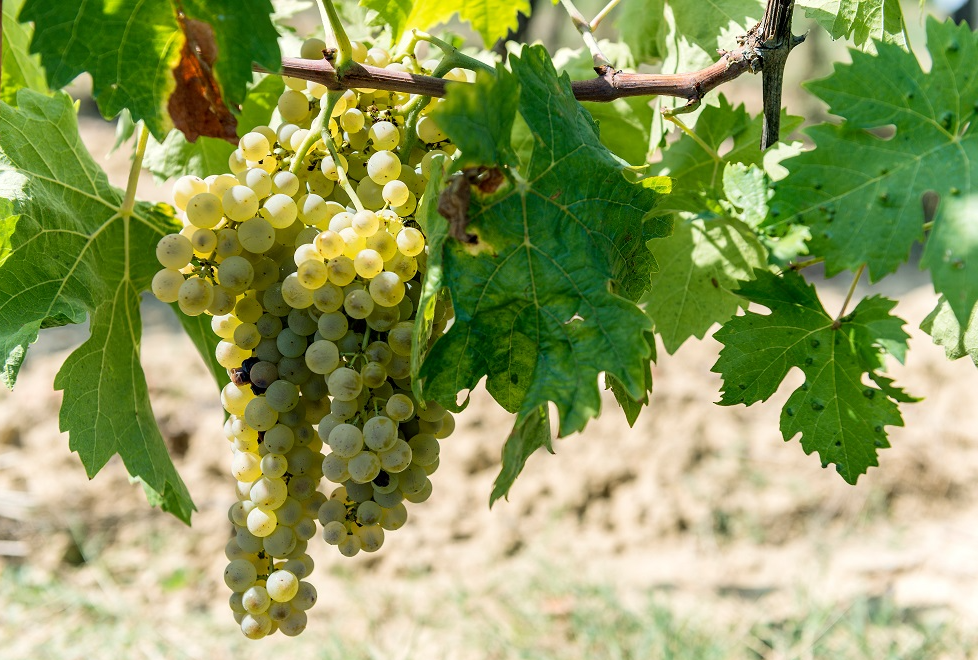
Vernaccia is a grape variety most associated in Italy with Vernaccia di San Gimignano.
Tuscany’s Historic White Vernaccia — specifically Vernaccia di San Gimignano — is the most famous white grape of Tuscany, a region otherwise defined by its great Sangiovese reds. Crisp, savoury and gently structured, it produces dry whites of real character from the hills around the celebrated towered town of San Gimignano. It holds a special place in Italian wine history as the first wine ever granted the country’s official denomination of origin.
A Confusing Name The name Vernaccia is one of the most confusing in Italian wine, applied to several entirely unrelated grapes across the country — including the sherry-like Vernaccia di Oristano in Sardinia and the red Vernaccia di Serrapetrona in the Marche. The Tuscan Vernaccia di San Gimignano is a distinct white variety, and it is this historic grape that gives the famous wine of the Tuscan hill town.
A Grape of San Gimignano The grape’s heartland is the cluster of hills around San Gimignano in central Tuscany, where the sandy, sulphurous and clay soils and the warm Tuscan climate give the wines their structure, minerality and savoury character. This small, historic zone, famous for its medieval towers, is the grape’s exclusive noble home and the source of all its finest wines.
In the Vineyard A vigorous, fairly late-ripening variety, Vernaccia keeps good acidity and develops a characteristic structure and savour when grown on the better hillside sites. Restrained yields are key to concentration and quality, and the distinctive soils around San Gimignano lend the wines their mineral, sometimes saline edge and their gently grippy, gastronomic character.
Appearance and Structure Vernaccia gives pale, often greenish-gold whites of medium body, with fresh acidity and a structured, sometimes lightly textured, gently grippy palate. It is a white of savour and structure rather than overt aromatics, finishing dry with a characteristic bitter-almond note that gives it a savoury, food-friendly length distinct from softer Italian whites.
Aromatic Profile The signature is citrus, green apple and white flowers lifted by a distinctive note of almond, dried herbs and a mineral, sometimes saline character. The aromas are restrained and savoury rather than exuberant; with lees ageing or bottle age the wines develop greater depth, with honeyed, nutty and more complex notes emerging over time.
In the Cellar Vernaccia is made both as a fresh, steel-fermented dry white for early drinking and in richer, lees-aged or partly oaked Riserva styles that reveal an age-worthy side. Its structure and acidity reward careful handling, and the best producers craft serious, textured wines that go well beyond the simple, everyday reputation the wine sometimes carries.
Key Expressions
- Vernaccia di San Gimignano (DOCG): the benchmark — crisp, savoury, mineral dry whites from the Tuscan hills.
- Riserva bottlings: richer, lees-aged or oak-influenced wines built for the cellar.
- Single-vineyard wines: site-specific expressions of the grape’s terroir.
- Historic significance: the first Italian wine awarded DOC status, in 1966.
The Question of Aging Much Vernaccia is enjoyed young for its crisp, savoury freshness, but the best Riserva and lees-aged examples can age well for several years, the citrus and almond deepening into honey, dried fruit and a richer, nutty, more textured complexity that surprises those expecting a simple wine.
At the Table Its acidity, structure and almond finish make Vernaccia a fine food white, especially with Tuscan and coastal cooking: seafood and fish, antipasti and cured meats, vegetable dishes, white meats and fresh and medium cheeses. Its savoury, gently grippy character makes it more versatile at the table than many lighter whites.
Why It Matters Vernaccia di San Gimignano is the historic white of red-wine Tuscany — a crisp, savoury, mineral grape with a unique place in Italian wine history as the country’s first denominated wine, and a characterful counterpoint to the Sangiovese that surrounds it.