
Albarossa
A modern Piedmontese crossing (Barbera x Chatus) producing deeply colored, full-bodied reds with vibrant natural acidity.
Albarossa is a grape variety most associated in Italy with Piemonte.
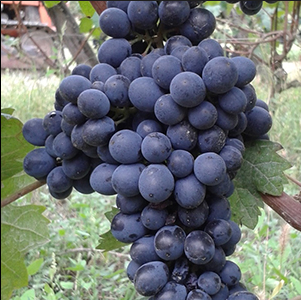
Albarossa is one of Piedmont’s most intriguing modern grapes, a twentieth-century crossing that has grown into a deeply coloured, structured red of real quality. Conceived to unite the finesse of a noble variety with the reliability of a workhorse, it produces rich, perfumed wines that blend the best of its heritage. For drinkers curious about how Italy continues to expand its vinous repertoire, Albarossa is a fascinating and delicious study.
Origins and history Albarossa was created in 1938 by the grape breeder Giovanni Dalmasso at the experimental viticulture institute of Conegliano. Dalmasso set out to combine the quality potential of Nebbiolo with the generous yields and disease resistance of Barbera. For decades the grape was believed to be a Nebbiolo–Barbera crossing, but DNA profiling in 2009 revealed a surprise: the vine Dalmasso used was not Nebbiolo at all, but Chatus, an old French variety from the Ardèche.
A modern Piedmontese red Despite its laboratory origins, Albarossa has found a genuine home in Piedmont, where it was recognised as a quality grape in 2001 and admitted to appellations such as Monferrato Rosso. It offers growers a deeply coloured, structured red that ripens reliably and resists many of the hazards that plague more temperamental varieties. Its rise reflects the ongoing creativity of Italian viticulture and the enduring appeal of well-made native reds.
Appearance and structure Albarossa produces wines of deep, saturated colour, thanks to its compact clusters of small, thick-skinned berries rich in anthocyanins. The wines are full-bodied and structured, with firm tannins and good acidity that give them balance and ageing potential. The grape can hang long on the vine, accumulating high sugar and alcohol while retaining sufficient freshness to keep the wine lively.
Aromatic profile Albarossa marries the aromatic traits of both sides of its heritage. From its noble lineage it takes floral notes of violet and rose, though without the tarry character of Nebbiolo, while from Barbera it inherits abundant red fruit and a savoury, sometimes spicy herbal quality. The result is a generous, perfumed red offering ripe berries, flowers and gentle spice in an appealing, harmonious whole.
In the vineyard The grape was bred for viticultural resilience, and it shows good resistance to mould and mildew along with reliable, generous ripening. Its compact, thick-skinned bunches deliver deep colour and concentration, and its ability to retain acidity even at high ripeness is a valuable trait in a warming climate. These qualities make Albarossa a dependable and rewarding variety for Piedmontese growers.
In the cellar Albarossa’s structure and depth of colour make it well suited to ageing in oak, which softens its firm tannins and builds spice and complexity. It is made both as a varietal wine and as a blending partner, where it lends colour, body and perfume to other reds. Producers increasingly treat it as a serious grape in its own right, crafting ambitious, ageworthy bottlings.
Key expressions
- Structured, oak-aged varietal Albarossa of deep colour.
- Monferrato Rosso and Piemonte DOC bottlings.
- Blends adding colour, body and floral perfume.
- Ambitious, ageworthy wines from quality-focused growers.
The question of aging With its firm tannins, deep colour and good acidity, Albarossa has genuine ageing potential, particularly in its oak-aged forms. The best examples evolve over five to ten years, their fruit deepening into spice, dried herbs and savoury complexity while the tannins soften and integrate. This capacity to improve in bottle confirms Albarossa’s status as a serious, structured Piedmontese red.
At the table Its body, tannin and savoury depth make Albarossa a fine match for the hearty cuisine of Piedmont, from braised and roasted meats to game, rich pasta and mature cheeses. Its structure and acidity cut through fatty, robust dishes, while its floral, spicy character flatters herbs and slow-cooked fare. Serve at cool room temperature to show its balance and perfume.
Why it matters Albarossa is a triumph of modern Italian grape breeding, a crossing whose surprising true parentage only adds to its intrigue. It gives Piedmont a deeply coloured, structured and perfumed red that combines quality with reliability, expanding the region’s repertoire beyond its ancient classics. For drinkers fascinated by the evolving story of Italian wine, Albarossa is a compelling and satisfying discovery.