
Bianchetta
A rare Ligurian white grown in the hills around Genoa, producing light, delicate wines of local character.
Bianchetta is a grape variety most associated in Italy with Conegliano Valdobbiadene Prosecco, Asolo Montello, Portofino and Val Polcevera.
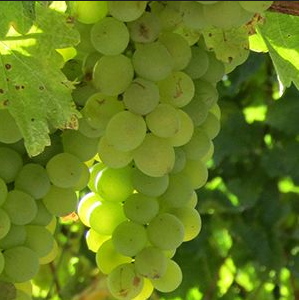
Bianchetta Trevigiana is one of the traditional supporting grapes of the Veneto, a modest but useful white variety long grown in the hills of Treviso and beyond. Valued chiefly for the acidity and freshness it lends to blends, it is a quiet workhorse of north-eastern Italian winemaking, including the celebrated sparkling wines of the region. For those exploring the full cast of grapes behind Prosecco and the wines of the Veneto, Bianchetta is a worthwhile acquaintance.
Origins and history Bianchetta Trevigiana is a white native grape of north-eastern Italy, grown in the Veneto and neighbouring Trentino-Alto Adige. Its name derives from the province of Treviso, where the grape is believed to have originated. A DNA study has suggested it arose as a natural crossing of the Veneto white grape Durella and the red-berried Brambana, though the finding is contested, giving it deep roots in the region’s viticultural history and its patchwork of indigenous vines.
A humble blending grape Bianchetta Trevigiana has never been a star, and it is rarely bottled on its own. It tends to produce fairly ordinary and somewhat astringent wines as a varietal, which is why it has always found its true purpose in blends. There it serves as a permitted component in several appellations of the north-east, contributing acidity and freshness, and it has even been used in the production of vermouth, where its neutral crispness is an asset.
Appearance and structure The grape has medium, spheroid berries with waxy, yellowish-green skins that are thick and consistent. In the glass Bianchetta contributes to wines that are light and fresh, with its chief virtue being acidity rather than body or aromatic complexity. On its own it can show a certain astringency, but within a blend this crispness becomes a useful structural element, adding freshness and lift.
Aromatic profile Bianchetta Trevigiana is not a notably aromatic grape, offering restrained notes of green apple, citrus and neutral orchard fruit. Its role is structural rather than perfumed, adding freshness and acidity to the wines in which it appears rather than a distinctive scent. This very neutrality makes it a discreet and flexible partner in blends, where it supports more characterful varieties without dominating them.
In the vineyard Bianchetta grows across the hills and plains of the Veneto and into Trentino, adapting to a range of sites. Its thick, consistent skins give it reasonable resilience, and it has long been a dependable presence in the region’s mixed vineyards. As a grape valued for reliability and acidity rather than prestige, it has quietly persisted where flashier varieties have come and gone.
In the cellar Bianchetta Trevigiana is almost always vinified as part of a blend, fermented to preserve its fresh acidity before being combined with other grapes. It is a permitted complementary variety in the sparkling wines of the region, including Prosecco, where it can form a modest share of the blend alongside Glera and other grapes. Its crisp neutrality also suits it to aromatised wines such as vermouth.
Key expressions
- A fresh, acidic complementary grape in Prosecco blends.
- Blends across several Veneto and north-eastern DOC zones.
- A traditional base for aromatised wines like vermouth.
- Field-blend whites of the Treviso hills.
The question of aging Bianchetta Trevigiana is emphatically a grape for freshness and early drinking, contributing crisp acidity to wines meant to be enjoyed young. It has neither the structure nor the aromatic depth for cellaring, and its value lies entirely in the freshness it brings to youthful blends. The wines in which it appears are best drunk soon after release, while their acidity and vivacity are at their peak.
At the table The acidity and freshness that Bianchetta lends to blends make such wines versatile, food-friendly companions, well suited to the fried snacks, seafood and cured meats of the Venetian table. Its crispness helps cut through salty and fatty dishes and refresh the palate. In sparkling form the wines make easy aperitifs. Serve well chilled to accentuate their fresh, clean character.
Why it matters Bianchetta Trevigiana may be one of the Veneto’s humbler grapes, but its reliable acidity and freshness have long made it a useful thread in the region’s blends, from everyday whites to sparkling Prosecco and vermouth. It represents the quiet, workmanlike varieties that underpin more famous wines. For those charting the full diversity of north-eastern Italy’s vineyards, Bianchetta is a modest but genuine part of the story.