
Glera
The grape behind Prosecco—soft, floral, and gently bubbly, transformed by tank-method secondary fermentation into one of the world's most beloved sparkling wines.
Glera is a grape variety most associated in Italy with Conegliano Valdobbiadene Prosecco and Asolo Prosecco. I have reviewed six wines made from it.
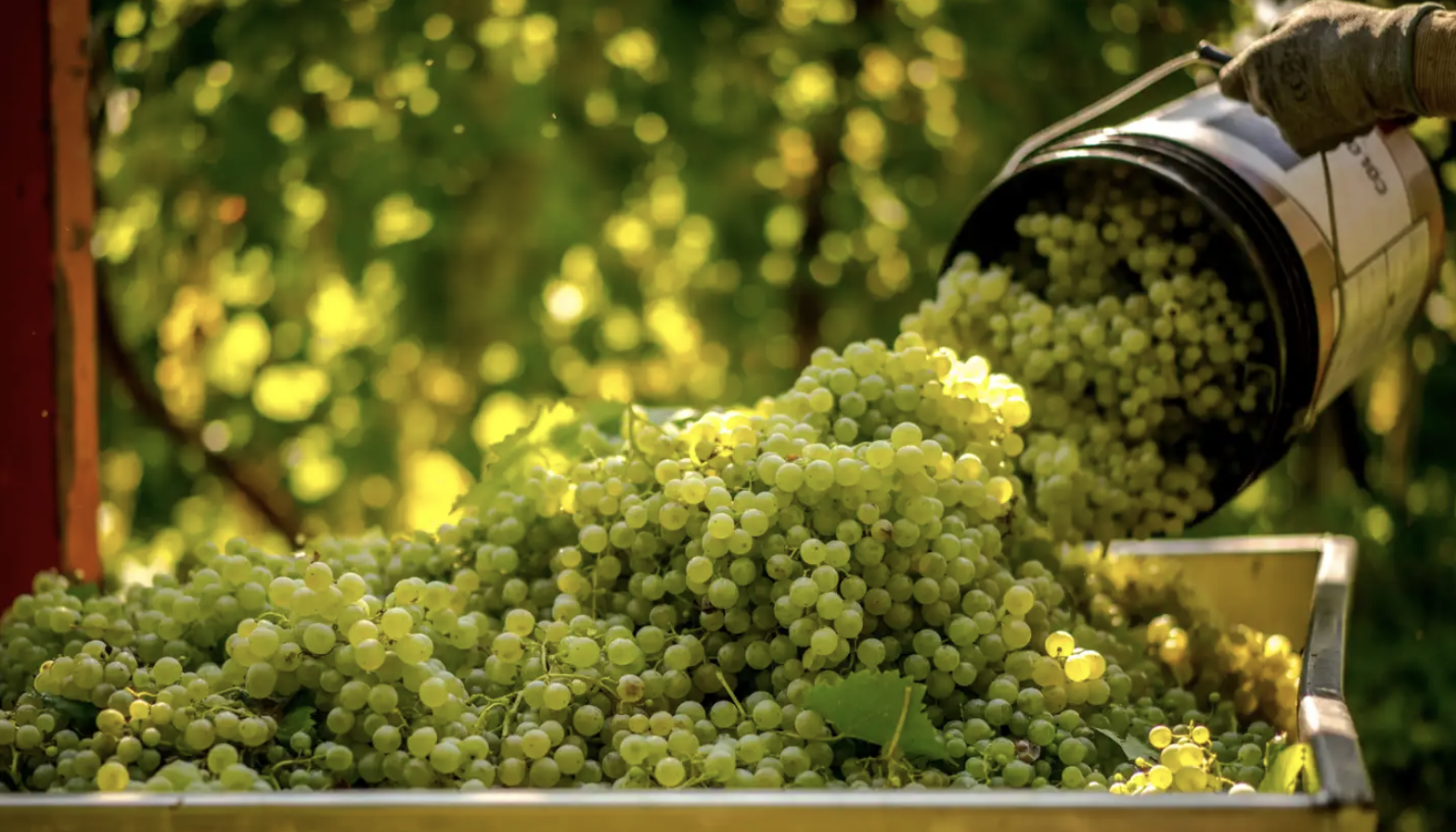
The Grape Behind Prosecco Glera is the white variety at the heart of Prosecco, the sparkling wine that has become one of Italy’s most recognisable exports. Grown across the Veneto and Friuli, and above all in the celebrated hills of Conegliano and Valdobbiadene, it produces fresh, fragrant, gently sparkling wines of apple, pear and white flowers. Light, approachable and joyously drinkable, Glera has carried the easygoing charm of Italian fizz around the world.
A Change of Name The grape was long known simply as Prosecco, taking its name from a village near Trieste, but in 2009 the authorities renamed the variety Glera and reserved the word Prosecco for the wine and its protected zone. The change was designed to protect the appellation, tying the name Prosecco to a defined region rather than to a grape that could be planted anywhere, and it underlined the value the wine had come to hold.
Home in the Veneto Hills Glera’s spiritual home is the steep, rolling hills between Conegliano and Valdobbiadene, where the finest Prosecco Superiore is made, along with the tiny, prized enclave of Cartizze. Beyond these historic slopes it is planted widely across the flatter Prosecco DOC of the Veneto and Friuli, where the bulk of everyday Prosecco is grown, giving a spectrum from serious hillside wines to easy commercial fizz.
In the Vineyard A vigorous, productive variety, Glera crops generously and ripens to modest sugar and bright acidity, exactly the profile wanted for fresh sparkling wine. On the steep hills of the Superiore zone it is hand-tended on difficult slopes, while on the plains it is farmed more intensively; in both cases the aim is fragrant, balanced fruit rather than power or concentration.
Appearance and Structure Glera gives pale, light-bodied wines, almost always sparkling, with low to moderate alcohol, gentle body and fresh, lively acidity. The style runs from spumante (fully sparkling) through frizzante (lightly sparkling) to the traditional, cloudy col fondo bottled on its lees. Whatever the fizz, the wines are defined by delicacy and freshness rather than weight or structure.
Aromatic Profile The signature is a fragrant burst of green apple, pear and white peach, lifted by white flowers, acacia and a touch of citrus. Made mainly by the tank (Charmat) method, which preserves primary fruit and floral aromas, Prosecco emphasises freshness and perfume over the bready, autolytic notes of bottle-fermented sparkling wine, giving it its characteristic light, aromatic charm.
In the Cellar Most Prosecco is made by the Charmat method, with the second fermentation in pressurised tanks rather than in bottle, capturing Glera’s fresh, floral fruit. Styles range from brut through extra dry to dry, the latter noticeably sweeter, while the traditional col fondo bottling ferments in bottle and is left undisgorged, giving a cloudy, savoury, artisanal alternative to the mainstream style.
Key Expressions
- Conegliano Valdobbiadene Prosecco Superiore DOCG: the finest, hillside expression.
- Cartizze: the prized grand cru enclave within Valdobbiadene.
- Prosecco DOC: the broad Veneto and Friuli zone of everyday fizz.
- Col Fondo: the traditional cloudy, bottle-fermented, undisgorged style.
The Question of Aging Prosecco is made to be drunk young, within a year or two of release, when its fresh fruit and floral perfume are at their brightest. It is not a wine built for the cellar, and age brings little reward; the pleasure of Glera lies in its youthful fragrance and vivacity, best enjoyed as fresh and lively as possible.
At the Table Light, fresh and gently sparkling, Prosecco is the great aperitivo wine and the base of the Spritz and the Bellini. At the table it flatters antipasti, fried and salty snacks, seafood, light pasta and delicate dishes, its bright acidity and low weight cleansing the palate; the drier brut styles suit food best, the sweeter versions pastries and fruit.
Why It Matters Glera is the grape that carried Italian sparkling wine to the world, giving Prosecco its fresh, fragrant, irresistibly easy charm. From the steep hills of Valdobbiadene to countless everyday bottles, it embodies a joyful, approachable style of fizz that has made it one of Italy’s best-loved and most successful wines.