
Bracciola Nera
A rare Tuscan red of limited distribution, grown around Pitigliano in the Maremma, producing light, aromatic wines.
Bracciola Nera is a grape variety most associated in Italy with Candia dei Colli Apuani and Colli di Luni.
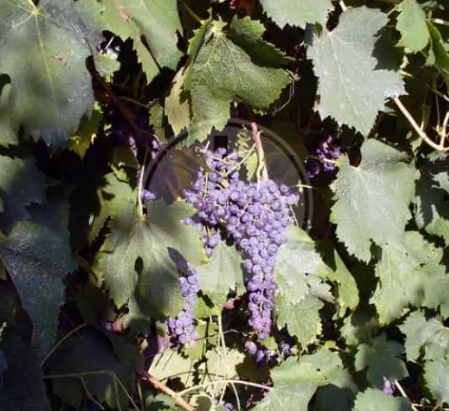
Bracciola Nera is one of the obscure native red grapes of the rugged borderland where Tuscany meets Liguria, a variety cherished by those working to preserve the vinous biodiversity of the Lunigiana. Valued chiefly for the freshness it lends to blends, it is a survivor of an older, more varied viticultural world. For drinkers drawn to Italy’s rarest and most local grapes, Bracciola Nera offers a genuine taste of an overlooked corner of the country.
Origins and history Bracciola Nera is a red grape found primarily in the wine regions of Tuscany and Liguria in western Italy. It grows above all in the Massa-Carrara area of northern Tuscany, in the historic Lunigiana, as well as across the border in Liguria toward the Cinque Terre. It is one of a rich array of native varieties, from Vermentino Nero and Pollera to Groppello and others, that have survived in this mountainous frontier and are now being recovered and vinified anew.
A grape of the Lunigiana Bracciola Nera’s chief significance lies in the Colli di Luni DOC, where it is permitted as a blending grape alongside Sangiovese, Canaiolo, Ciliegiolo, Pollera Nera and Vermentino Nero. It is rarely if ever vinified on its own, instead forming part of the traditional blends of this borderland. Its recovery is part of a wider movement to protect and revive the viticultural biodiversity of the Lunigiana, a region rich in nearly forgotten local vines.
Appearance and structure As a late-ripening, high-yielding variety, Bracciola Nera produces acidic red wines that are very well suited to blending. Its principal contribution is freshness and acidity rather than colour, tannin or body, giving lift and vivacity to the wines in which it appears. Within a blend it helps to brighten and balance more structured or riper partners, adding a refreshing edge to the finished red.
Aromatic profile Bracciola Nera is valued more for its structural contribution than for a distinctive aromatic signature, offering modest red-fruit and herbal notes in keeping with its fresh, acidic character. Its role in the traditional blends of the Lunigiana is to add brightness and lift rather than bold perfume. This makes it a discreet, supporting presence, enhancing the freshness and drinkability of the wines it joins.
In the vineyard A late-maturing and high-yielding vine, Bracciola Nera ripens well in the mild, hilly climate of the Tuscan-Ligurian border. It grows on the varied soils of the Lunigiana and the coastal hills, where it has long been part of the region’s mixed vineyards. Its recovery has depended on the dedication of growers and researchers committed to identifying and preserving the area’s many rare native varieties.
In the cellar Bracciola Nera is almost always vinified as part of a blend, contributing its fresh acidity to the reds of the Colli di Luni and the Lunigiana, where it and other local grapes may make up a modest share of the wine. Fermented alongside varieties such as Sangiovese and Vermentino Nero, it adds lift and freshness to the finished blend. It is rarely, if ever, bottled as a varietal wine.
Key expressions
- A fresh, acidic component of Colli di Luni red blends.
- Traditional Lunigiana blends with local native grapes.
- Recovered-variety wines from biodiversity projects.
- Blends with Sangiovese, Ciliegiolo and Vermentino Nero.
The question of aging Bracciola Nera is a grape for freshness rather than longevity, contributing bright acidity to blends generally meant for relatively early drinking. It lacks the tannin, colour and structure that underpin long ageing, and its value lies in the vivacity it adds to youthful wines. Any capacity for development in the blends it joins comes chiefly from their more structured components, such as Sangiovese.
At the table The freshness and acidity that Bracciola Nera lends to blends make such wines versatile, food-friendly reds, well suited to the rustic cuisine of the Tuscan-Ligurian border. They pair happily with cured meats, herb-driven pasta, grilled vegetables and lighter meat dishes, their brightness cutting through richer fare. Serve lightly cool to accentuate their fresh, lively character.
Why it matters Bracciola Nera is a small but genuine part of the viticultural heritage of the Lunigiana, a rare native grape whose recovery reflects a wider commitment to preserving Italy’s vinous biodiversity. It represents the many humble local varieties that once filled the country’s mixed vineyards and are now being rediscovered. For those exploring Italy’s most overlooked wine frontiers, Bracciola Nera is a modest but meaningful find.