
Canaiolo
A historic Tuscan red, once the primary grape in Chianti, now serving as a softening blending partner to Sangiovese.
Canaiolo is a grape variety most associated in Italy with Chianti, Chianti Classico, Vino Nobile di Montepulciano and Toscana. I have reviewed two wines made from it.
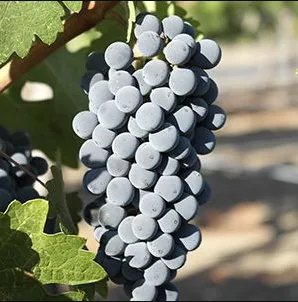
Sangiovese’s Traditional Partner Canaiolo is one of the historic native red grapes of central Italy, for centuries the chief blending partner of Sangiovese in Chianti and the wines of Tuscany. Soft, fruity and gently perfumed, it was traditionally added to round out and soften Sangiovese’s firm structure. Long overshadowed and reduced in importance, it is now enjoying a modest revival, both in blends and as a charming varietal wine in its own right.
Origins and History Canaiolo, more fully Canaiolo Nero, is an ancient Tuscan and central Italian variety, documented for many centuries and named in the historic 18th-century definition of the Chianti blend. For generations it was a mainstay of central Italian red wine, valued for the softness and fruit it brought to the firmer, more austere Sangiovese in the traditional field blends of the region.
A Grape of Central Italy Canaiolo’s heartland is Tuscany, especially the Chianti and wider central Tuscan hills, though it is also grown in Umbria, the Marche and Lazio. The region’s clay-limestone and galestro soils and warm, hill-tempered climate suit the grape, which has always been grown alongside Sangiovese as part of the traditional patchwork of central Italian vineyards.
In the Vineyard A moderately vigorous variety, Canaiolo ripens around the same time as Sangiovese, which made it a natural field-blend partner. It can be sensitive to drought and disease, which contributed to its decline as growers favoured Sangiovese clones, but on good sites and with careful farming it gives soft, fruity, perfumed grapes that complement its more famous companion.
Appearance and Structure Canaiolo gives medium-coloured, medium-bodied wines with soft, gentle tannins and moderate acidity. It is a grape of softness and fruit rather than structure or power, which is precisely why it was prized as a blending partner: it rounds out and fleshes the firm, high-acid, tannic Sangiovese, adding approachability and charm.
Aromatic Profile The signature is soft red fruit — red cherry and plum — with gentle floral notes, dried herbs and a subtle earthy, sometimes faintly bitter character. The aromas are fresh and unpretentious, giving the wines an easy, fruity charm; in a blend, Canaiolo lifts and softens, adding fruit and perfume rather than depth or grip.
In the Cellar Canaiolo is used both as a soft, fruity blending partner to Sangiovese in Chianti and other central Italian reds, and, increasingly, as a varietal wine in its own right. As a varietal it is usually made fresh and fruit-driven to showcase its soft, perfumed character, though some producers craft more structured, oak-aged versions. It is also traditionally used in Vin Santo.
Key Expressions
- Chianti & Chianti Classico: the traditional supporting role, softening and fleshing out Sangiovese.
- Varietal Canaiolo: a growing category of soft, fruity, charming varietal reds.
- Central Italian blends: a soft, fruity component across Tuscany, Umbria and beyond.
- Vin Santo: a traditional contributor to Tuscany’s dried-grape dessert wine.
The Question of Aging Canaiolo is generally made for soft, fruity, early drinking, prized for the gentle charm that is at its best in youth. Most examples are not built for long ageing, though the more structured, oak-aged varietal bottlings and its contribution to ageworthy Chianti can hold and develop for several years.
At the Table Its softness, gentle tannin and fruity charm make Canaiolo a versatile, easy food red: salumi and cured meats, pasta, pizza, roast and grilled meats and medium cheeses. As part of a Chianti blend or as a soft varietal, it suits the everyday cuisine of central Italy especially well.
Why It Matters Canaiolo is the historic soft heart of the Chianti blend — the grape that for centuries rounded and softened Sangiovese, and which, after long neglect, is being rediscovered both for its traditional role and as a charming, fruity varietal in the modern Tuscan revival of forgotten native grapes.