
Colorino
Tuscany's natural ink—a deeply pigmented blending grape traditionally added in small amounts to Chianti for color and structural support.
Colorino is a grape variety most associated in Italy with Chianti, Chianti Classico and Vino Nobile di Montepulciano. I have reviewed three wines made from it.
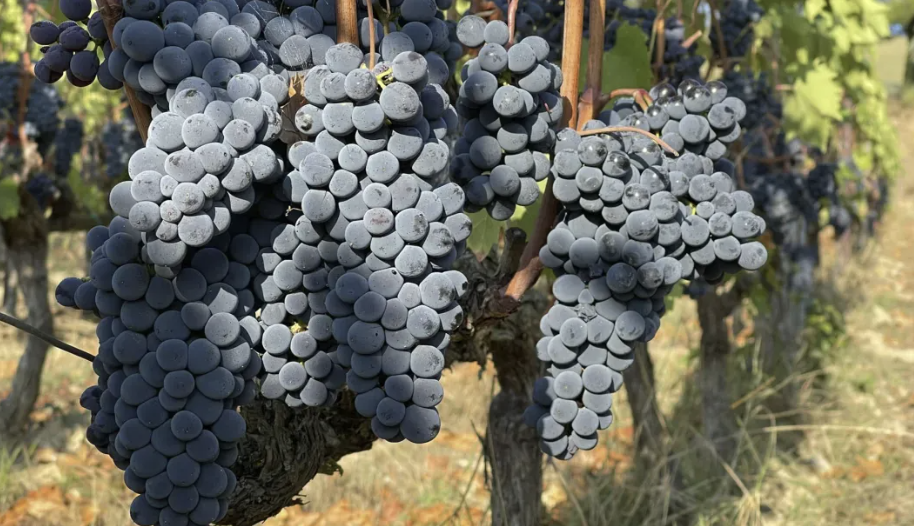
The Colouring Grape of Tuscany Colorino is a traditional native red grape of Tuscany whose very name — from colore, colour — reveals its historic purpose: to deepen the colour of the region’s red wines. For centuries a minor but valued part of the Chianti blend, prized for the intense pigment and structure it lent to the often pale Sangiovese, it remains a characterful supporting player in central Italian red wine, and an emblem of Tuscan tradition.
Origins and History Colorino is an old Tuscan variety, or rather a group of related biotypes, long grown throughout the region’s vineyards. Historically it was interplanted with Sangiovese and the other Chianti grapes, its deeply pigmented berries added to the ferment specifically to boost the colour and body of wines made from the lightly coloured Sangiovese, a role it filled in the traditional field blends.
A Grape of Tuscany Colorino’s heartland is Tuscany, especially the Chianti and central Tuscan hills, where it has always been a minor but persistent presence alongside the dominant Sangiovese. The region’s clay-limestone and galestro soils and warm, hill-tempered climate suit the grape, which ripens its thick, dark skins fully in the Tuscan sun to deliver its hallmark colour and structure.
In the Vineyard A thick-skinned, deeply pigmented variety, Colorino ripens reliably and is valued precisely for the intense colour and tannin its skins provide. It is a hardy grape, well adapted to the Tuscan climate, and even in small quantities its dark berries have an outsized effect on the colour and structure of a blend, which is why it survived as a traditional component.
Appearance and Structure Colorino gives deeply coloured, near-opaque wines with firm tannins and moderate acidity. As its name implies, colour is its defining contribution, but it also brings structure and grip; on its own it can be rustic and tannic, which is why it has traditionally been used in small proportions to reinforce rather than dominate a blend.
Aromatic Profile The signature is dark fruit — blackberry and black plum — with notes of dried herbs, spice, earth and a savoury, sometimes rustic character. The fruit is dark and the impression structured and savoury rather than perfumed or charming; Colorino’s role is to add depth, colour and grip rather than aromatic lift to the wines it joins.
In the Cellar Colorino is used principally as a blending grape, added in small amounts to Sangiovese-based wines to deepen their colour and reinforce their structure. A handful of producers make varietal Colorino as a curiosity or a statement, usually oak-aged to tame its rustic tannins, and it also contributes colour and grip to some Vin Santo and traditional blends.
Key Expressions
- Chianti & Chianti Classico: the traditional role — deepening colour and adding structure to Sangiovese.
- Central Tuscan blends: a minor but valued component across the region’s reds.
- Varietal Colorino: rare, structured, deeply coloured curiosities from the grape.
- Vin Santo: an occasional contributor to colour and structure in the traditional dessert wine.
The Question of Aging As part of a structured Sangiovese blend, Colorino contributes colour and tannin that support ageing, and the wines it reinforces can develop over many years. Varietal Colorino, with its firm tannins, can also age, though it is made in tiny quantities and chiefly as a curiosity rather than a cellar wine.
At the Table As part of a Chianti or central Italian blend, Colorino suits the same hearty Tuscan fare: grilled and roast meats, bistecca, game, rich pasta and ragù, and mature cheeses. Its structure and grip are best matched, as ever in Tuscany, by the fat and protein of the region’s robust cooking.
Why It Matters Colorino is the traditional colouring grape of Tuscany — a humble but historic variety whose deeply pigmented berries have for centuries deepened and structured the region’s Sangiovese-based reds, and a small but enduring thread in the fabric of central Italian wine.