
Forastera
A white grape native to Ischia and the Campanian islands, producing light, fresh wines that capture the saline spirit of the Mediterranean coast.
Forastera is a grape variety most associated in Italy with Ischia.
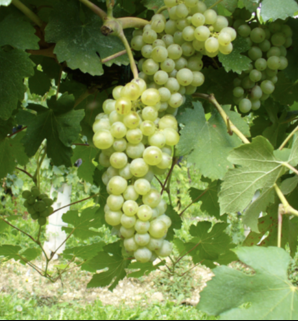
The “Foreign” Grape of Ischia Forastera is a white grape of the volcanic island of Ischia, in the Bay of Naples, where it produces fresh, mineral, gently floral whites shaped by the sea and the island’s volcanic soils. One of the two great white grapes of Ischia alongside Biancolella, it is central to the island’s white wine, both as a varietal and in the classic Ischia Bianco blend — a vivid expression of its maritime, volcanic home.
A Grape from Abroad The name Forastera comes from the Italian forestiero, meaning “foreign” or “stranger,” a hint that the grape may not have originated on the Campanian islands but arrived from elsewhere. Grown on Ischia and neighbouring Procida off the coast of Naples, it has long been at home in the volcanic, maritime conditions of the islands, where it has become one of the defining white varieties of the local wine tradition.
A Volcanic, Maritime Home Forastera is cultivated on Ischia’s steep, terraced slopes, where vineyards are held against volcanic hillsides above the sea and cooled by constant maritime breezes. The mineral-rich volcanic soils and the moderating influence of the surrounding water give the wines their characteristic freshness and vivid minerality, the island’s terroir stamping Forastera with a saline, sun-warmed character tied firmly to its origins.
In the Vineyard Well adapted to the warm, windy, maritime climate and poor volcanic soils of Ischia, Forastera ripens reliably while keeping fresh acidity. Grown on hand-worked terraces that demand heroic, labour-intensive viticulture, it gives modest yields of healthy, characterful fruit. The difficult terrain, volcanic soils and sea breezes together shape the grape’s fresh, mineral style, concentrating its delicate fruit and saline drive.
Appearance and Structure Forastera gives pale to straw-yellow, medium-bodied dry whites with fresh acidity, a soft, dry palate and a vivid mineral finish. These are wines of freshness and lightness rather than weight, their brightness and volcanic minerality making them refreshing and food-friendly. The grape’s clean structure and saline cut give its wines an energetic, maritime character well suited to the island’s cuisine.
Aromatic Profile The aromas are fresh and delicate — green apple, pear and citrus — with subtle floral notes of white blossom and a gentle mineral undertone reflecting the volcanic soils. Slightly viny and floral rather than intensely fruity, Forastera offers a clean, appealing fragrance and a vibrant minerality that many describe as the taste of the island itself, giving the wines their distinctive volcanic freshness.
In the Cellar Forastera is usually vinified in stainless steel to preserve its fresh acidity, floral perfume and volcanic minerality, producing crisp, unoaked dry whites for early drinking. Bottled both as a varietal — where regulations require a high proportion of the grape — and as a key partner to Biancolella in the Ischia Bianco blend, it is made in a fresh, mineral style that captures its vivid sense of island place.
Key Expressions
- Ischia Forastera DOC: the fresh, mineral, island varietal.
- Ischia Bianco: the classic blend with Biancolella and other whites.
- Procida bottlings: expressions from the neighbouring island.
- Terraced single sites: mineral, sea-cooled wines from heroic vineyards.
The Question of Aging Forastera is at its best young, within a year or two, when its fresh fruit, floral perfume and vivid minerality are most vibrant. It is not a wine made for long cellaring, though the finest examples can hold for a few years, gaining a little breadth. The appeal of the grape lies in its youthful freshness and its bright, saline, volcanic energy, best enjoyed while lively.
At the Table Fresh, mineral and light, Forastera is a natural partner for the seafood of its island home — grilled fish, shellfish, seafood pasta and fritto misto — as well as salads, vegetables and fresh cheeses. Its saline minerality and clean acidity cut through fried and oil-rich dishes, making it an ideal Mediterranean white, tailor-made for the sun-drenched, coastal cooking of Ischia.
Why It Matters Forastera is one of the twin pillars of Ischia’s white wine — a fresh, mineral, subtly floral grape born of volcanic terraces and sea air. Whether bottled alone or blended with Biancolella, it captures the vivid, saline character of its island home, and shows how the small native grapes of Campania’s islands can offer a sense of place no international variety could match.