
Manzoni Bianco
A 20th-century Italian cross of Riesling and Pinot Bianco created by Luigi Manzoni, producing aromatic, structured whites in Veneto and Friuli.
Manzoni Bianco is a grape variety most associated in Italy with Colli di Conegliano and Trentino.
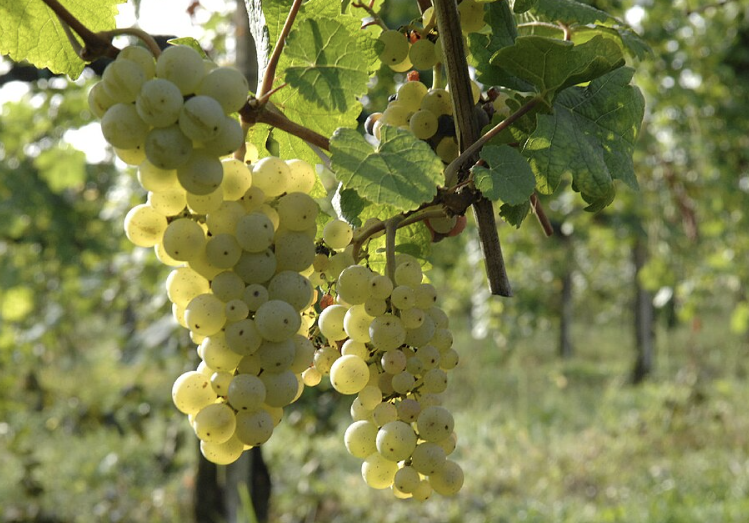
Manzoni Bianco is one of Italy’s most successful modern grape creations, a laboratory-born crossing that has grown into a genuinely distinguished white variety. Combining the racy structure of one great parent with the softness of another, it produces aromatic, ageworthy wines with a following across the north-east. It stands as proof that carefully conceived crossings can earn a place of honour beside Italy’s ancient native grapes.
Origins and history Manzoni Bianco, formally known as Incrocio Manzoni 6.0.13, was created in the first half of the twentieth century by Professor Luigi Manzoni at the celebrated oenological school of Conegliano in the Veneto. It is a deliberate crossing of Riesling and Pinot Bianco, an attempt to unite the aromatic complexity and acidity of the former with the roundness and elegance of the latter. The numerical name records its precise place in Manzoni’s experimental plantings.
A modern classic Though born of the breeding bench, Manzoni Bianco has thoroughly earned its stripes in the vineyard, spreading from the Veneto into Friuli, Trentino and beyond. It is now taken seriously by quality producers who value its ability to combine perfume, structure and longevity in a single wine. Its rise demonstrates how a well-designed crossing can transcend its artificial origins to become a regional specialty.
Appearance and structure The wines are typically straw yellow with green highlights, deepening with age. Manzoni Bianco inherits a firm, refreshing acidity from its Riesling parentage, balanced by a rounder, more textured body courtesy of Pinot Bianco. The result is a white of real substance, structured enough to reward barrel work and bottle age yet always retaining its freshness.
Aromatic profile On the nose the grape offers an appealing mix of white flowers, apple, pear, citrus and stone fruit, often with a subtle sage and herbal lift. In riper or oak-influenced examples notes of honey, almond and tropical fruit emerge, and with age it can develop the flinty, mineral tones associated with its Riesling heritage. The overall impression is fragrant, layered and refined.
In the vineyard Manzoni Bianco is a hardy and adaptable variety that performs well on the hillside sites of the north-east, favouring well-drained soils and good sun exposure. It ripens reliably and holds its acidity, making it dependable even in cooler vintages. Growers value it as a versatile grape that can be pushed toward either fresh, immediate wines or richer, more ambitious styles.
In the cellar The variety responds well to a range of winemaking approaches. Many producers ferment it in stainless steel to preserve its crisp aromatics for early drinking, while others use lees ageing or a portion of oak to build texture and complexity. Its natural acidity and structure give the winemaker room to experiment without sacrificing balance, and it also lends itself to sparkling production.
Key expressions
- Fresh, steel-fermented whites showcasing its floral aromatics.
- Lees-aged and lightly oaked versions with added depth.
- Structured, ageworthy bottlings from top north-east producers.
- Sparkling wines highlighting its lively acidity.
The question of aging Thanks to its Riesling-derived acidity and firm structure, Manzoni Bianco ages far better than most crossings and many native whites. The best examples evolve over five to ten years, trading primary fruit for honeyed, mineral and subtly petrol-like complexity. This capacity to improve in bottle sets it apart and confirms its status as a serious, cellar-worthy variety.
At the table Its balance of aromatics, acidity and body makes Manzoni Bianco a highly versatile food wine. It partners beautifully with the seafood and freshwater fish of the north-east, as well as with risotto, white meats, soft cheeses and herb-driven dishes. Fuller, oak-aged versions can handle richer fare, while fresh styles make an elegant aperitif. Serve moderately chilled.
Why it matters Manzoni Bianco represents the best of twentieth-century Italian viticultural innovation, a crossing conceived with purpose that has flourished into a respected wine in its own right. It gives the north-east a distinctive, structured and ageworthy white that bridges the aromatic and the serious. For drinkers curious about how modern Italy has expanded its vinous repertoire, it is a fascinating and delicious example.