
Riesling
Widely considered the world's greatest white, finding an expressive Italian home in Alto Adige and Trentino, where altitude and cool nights create wines of crystalline purity.
Riesling is a grape variety most associated in Italy with Trentino, Alto Adige and Oltrepò Pavese. I have reviewed one wine made from it.
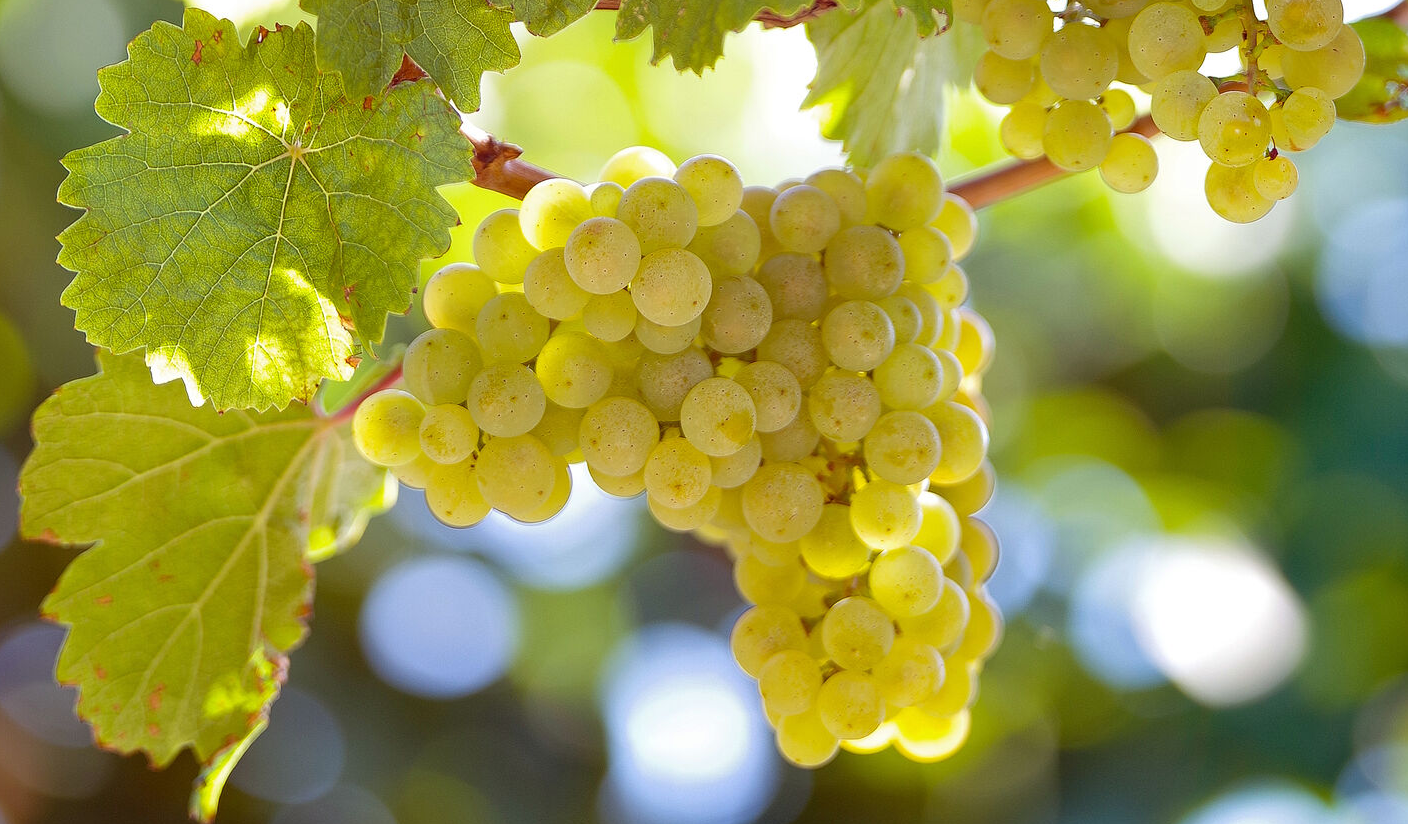
The Noble White in the Alps Riesling is widely regarded as the greatest white grape in the world, and in the cool, high vineyards of northern Italy it finds a distinctive and increasingly admired home. Where Germany and Alsace make Riesling in many guises, Italy’s is almost always dry, taut and mineral — a precise, alpine expression of a noble variety that rewards those who seek it out among the country’s wealth of native whites.
A German and Alsatian Native Riesling originated in the Rhine valley of Germany, where it has been documented for centuries, and is prized above all for its transparency to terroir, its racing acidity and its extraordinary capacity to age. A relative latecomer to Italy, it has taken root in the coolest northern sites, where the climate echoes the conditions of its homeland and allows it to ripen slowly without losing its defining freshness.
A Grape of the Cool North Riesling’s Italian heartland is Alto Adige — especially the high Valle Isarco (Eisacktal) — along with pockets of Friuli, Lombardy’s Oltrepò Pavese and Trentino. These cool, high-altitude sites, with their granitic and slate soils and significant diurnal temperature swings, preserve the grape’s acidity and aromatics and give the wines their mineral precision and tension.
In the Vineyard A late-ripening, cold-hardy variety, Riesling thrives where the growing season is long and cool, ripening gradually to build flavour while retaining its hallmark acidity. In Italy it is planted on the highest, coolest slopes, where careful site selection and modest yields concentrate its citrus and mineral character and avoid the flabbiness that warmth would bring.
Appearance and Structure Italian Riesling gives pale, often greenish whites of light to medium body, with high, racy acidity and a taut, mineral, precise structure. Almost always dry, these are wines of tension and clarity rather than weight or opulence, built around acidity and minerality and finishing clean, fresh and long.
Aromatic Profile The signature is citrus — lime and lemon — and green apple lifted by white flowers, white peach, herbs and a stony, sometimes flinty minerality. With bottle age Riesling famously develops a distinctive petrol or kerosene note alongside honey and dried fruit, a hallmark of the variety that adds complexity to its mature wines.
In the Cellar Italian Riesling is almost always vinified bone dry in stainless steel or large neutral vessels, to preserve its purity, acidity and aromatic precision. Oak is rarely used, as it would mask the grape’s transparency and mineral character; the winemaker’s aim is to capture the site and the variety as clearly as possible.
Key Expressions
- Alto Adige Valle Isarco (Eisacktal): the benchmark — taut, mineral, high-altitude dry Riesling.
- Alto Adige (wider): precise, dry, alpine expressions from across the region.
- Oltrepò Pavese & Lombardy: dry Riesling, sometimes used in sparkling blends.
- Friuli & Trentino: fresh, mineral whites from cool northern sites.
The Question of Aging Riesling is one of the great age-worthy white grapes, and the best Italian examples, with their acidity and minerality, can age beautifully for a decade or more, developing honey, dried fruit and the celebrated petrol note while keeping their freshness and tension remarkably intact.
At the Table Its high acidity, minerality and aromatic precision make Italian Riesling a superb food white: freshwater and sea fish, shellfish, sushi, lightly spiced and aromatic dishes, white meats and fresh cheeses. Its acidity cuts richness and its freshness flatters delicate flavours, making it one of the most versatile whites at the table.
Why It Matters Riesling brings a noble, world-class white grape to Italy’s alpine north — taut, mineral and almost always dry, it offers a precise, terroir-driven expression that stands proudly alongside the country’s native whites and shows just how fine cool-climate Italian white wine can be.