
Friulano
Friuli's flagship white—once called Tocai, renamed after the region, producing wines of remarkable texture, almond notes, and quiet, persistent complexity.
Friulano is a grape variety most associated in Italy with Rosazzo, Lison, Collio Goriziano and Colli Orientali del Friuli Picolit. I have reviewed six wines made from it.
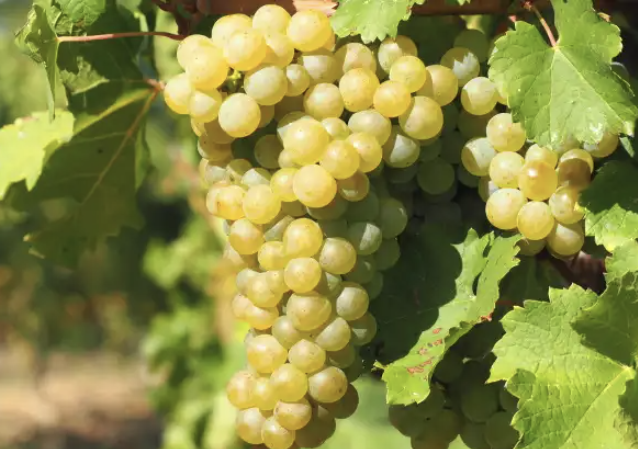
The Signature White of Friuli Friulano is the emblematic white grape of Friuli in Italy’s north-east, the variety most associated with the region’s reputation as one of the world’s great white-wine territories. Dry, savoury and subtly nutty, it is the classic accompaniment to the local prosciutto and the everyday white of the region’s wine bars, while in the best hands it rises to wines of real depth, texture and distinction.
A Grape with a New Name Until 2007, Friulano was known as Tocai Friulano, but a long-running European dispute with Hungary over the name “Tokaj” forced Friuli to rename its cherished grape. Ampelographically the variety is identical to the French Sauvignonasse, or Sauvignon Vert, though it has made north-eastern Italy its true home and expresses a character quite distinct from its French origins.
A Grape of Hillside Terroir Friulano expresses the terroir of Friuli’s best hillsides, especially the Collio and Colli Orientali, where the marl-and-sandstone soils known locally as ponca lend the wines minerality, structure and depth. Altitude, exposure and these distinctive flysch soils combine to give the finest Friulano its texture, savour and length.
In the Vineyard Friulano is a relatively vigorous, early-ripening variety that performs best on the steep ponca hillsides, where poor soils and good drainage naturally restrain its vigour and concentrate its flavour. Careful canopy management and modest yields are key to achieving the textured, savoury depth that distinguishes serious Friulano from simple everyday versions.
Appearance and Structure Friulano gives dry, medium-bodied whites with moderate acidity and a notably textured, almost waxy mouthfeel. It is a white of substance and savour rather than overt aromatics — restrained, gastronomic and built around texture and a distinctive bitter-almond finish rather than exuberant fruit.
Aromatic Profile The signature is white flowers, pear, white peach and citrus underpinned by a characteristic note of almond, fresh hay and a subtle, savoury, herbal minerality. The famous bitter-almond finish is its calling card, giving the wine a savoury length that makes it such a fine partner for food.
In the Cellar Most Friulano is made in stainless steel to preserve its freshness and savoury purity, but the best producers use extended lees ageing, large neutral oak or gentle skin contact to build texture, weight and ageability. It also appears as a key component in Friuli’s celebrated white blends, the so-called “super whites.”
Key Expressions
- Collio: the benchmark — textured, savoury, mineral whites of real depth.
- Colli Orientali del Friuli: structured, age-worthy expressions from the eastern hills.
- Isonzo: rounder, fruitier styles from the gravelly plain.
- Friuli Grave: fresher, more everyday wines for early drinking.
The Question of Aging While much Friulano is enjoyed young and fresh, the finest hillside examples, with their texture and minerality, can age gracefully for five to ten years, developing honeyed, nutty, waxy complexity while keeping their savoury, almond-tinged character.
At the Table Friulano’s savour, texture and almond finish make it one of Italy’s great food whites: the classic match for prosciutto di San Daniele, but equally at home with seafood, white meats, frico and other Friulian cheese dishes, and a wide range of antipasti. It is a wine built for the table.
The Tajut Ritual In Friuli, Friulano is not merely a wine but a daily ritual. The tajut — a small glass shared standing at the bar — is a cornerstone of Friulian social life, and for generations Friulano has been the white most often poured. This deep cultural embedding explains the grape’s enduring presence across the region’s vineyards even as international varieties have come and gone. To drink Friulano in a Friulian osteria, alongside a plate of San Daniele prosciutto and a hunk of Montasio cheese, is to taste the everyday soul of north-eastern Italy in its most authentic and convivial form.
Why It Matters Friulano is the white that most clearly expresses the soul of Friuli — savoury, textured and gastronomic — and a cornerstone of the region’s claim to be one of the finest white-wine territories anywhere in the world.