
Mayolet
A rare, ancient Aosta Valley red used primarily in blends, rescued from near-extinction by dedicated growers at high altitude.
Mayolet is a grape variety most associated in Italy with Valle d'Aosta.
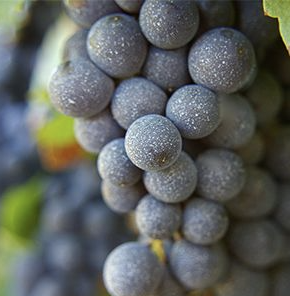
A Rescued Alpine Red Mayolet is a rare and ancient red grape of the Valle d’Aosta, cultivated in the high alpine vineyards of Italy’s smallest wine region. Rescued from the brink of extinction in the twentieth century, it produces penetratingly perfumed, fresh, light-framed reds of bright red fruit and violets. Grown at some of the highest altitudes in Italy, it is a characterful survivor and one of the most fragrant of the Aosta valley’s indigenous varieties.
An Ancient Variety Mayolet has a long history in the Valle d’Aosta, first documented as far back as 1787 in the cellar records of a local noble family. Native to the region’s alpine valleys, it is one of the oldest and earliest-ripening of the area’s indigenous grapes, and among the highest-altitude varieties grown in Italy. This deep-rooted heritage makes its survival and revival all the more significant.
Saved from Extinction Like several of the Valle d’Aosta’s native grapes, Mayolet had all but disappeared before being rescued in the twentieth century, and today only a handful of growers vinify it, most often in tiny quantities. It is more usually blended with Petit Rouge and other indigenous varieties than bottled on its own, and the few pure varietal wines are treasured expressions of a nearly lost alpine grape.
In the Vineyard Mayolet is a vigorous, mid-to-early-ripening variety — the earliest to ripen among the Aosta valley’s natives — with medium-small, compact, cylindrical bunches. That tight, compact bunch makes it prone to rot, and the grape loses its acidity quickly once ripe, so it must be picked promptly. Grown on high alpine terraces, it demands careful, attentive farming to yield healthy, balanced fruit.
Appearance and Structure Mayolet gives lightly framed reds, rarely high in alcohol — seldom more than around twelve and a half per cent — yet with firm tannins that soften with air. Despite their relatively light structure, the wines have real intensity of flavour and, notably, age remarkably well. This combination of a light frame, firm tannin and vivid perfume gives Mayolet an unusual and distinctive character.
Aromatic Profile The aromas are penetrating and almost pungently perfumed — bright red fruit lifted by subtle notes of iris and violet, with a fresh, sometimes slightly green edge. This intense, floral, red-fruited fragrance is the hallmark of Mayolet, giving its light wines a striking aromatic presence. The perfume, rather than power or weight, is the grape’s defining and most memorable trait.
In the Cellar Because Mayolet loses acidity fast and its compact bunches are rot-prone, healthy fruit and prompt picking are essential in the cellar. It is vinified both in blends — where it adds perfume and freshness alongside Petit Rouge and other natives — and, rarely, as a pure varietal by a few dedicated producers. Winemaking generally aims to preserve its vivid perfume and freshness while allowing its firm tannins to soften.
Key Expressions
- Varietal Mayolet: rare pure bottlings from a handful of growers.
- Alpine blends: a perfuming partner to Petit Rouge and other natives.
- High-altitude cuvées: wines from some of Italy’s loftiest vineyards.
- Old-vine expressions: characterful wines from rescued plantings.
The Question of Aging Although Mayolet gives wines of relatively light frame, it ages remarkably well, its firm tannins and intense flavour giving it staying power that belies its delicacy. With time the tannins soften and the vivid red-fruit and floral perfume deepen into a gentler, more savoury complexity. This capacity to age, unusual in so light a wine, is one of the grape’s most surprising and admired qualities.
At the Table Mayolet’s light body, firm-but-softening tannin, fresh character and vivid perfume make it a versatile partner for alpine cuisine — cured meats, mountain cheeses, polenta, poultry and lighter meats. Its freshness and moderate alcohol suit mountain fare well, and served slightly cool its penetrating fragrance and gentle structure make it an appealing, food-friendly red for a wide range of dishes.
Why It Matters Mayolet is a fragrant survivor — an ancient, high-altitude Aosta grape rescued from extinction to enchant with its penetrating perfume and surprising longevity. Light in frame yet intense in flavour, it embodies the fragile, precious diversity of Italy’s alpine viticulture, and its revival stands as a heartening example of the effort to preserve the country’s rarest native vines.