
Moscato Giallo
Alto Adige's golden Muscat—producing richly aromatic, honeyed whites and late-harvest dessert wines of fragrant, peachy intensity.
Moscato Giallo is a grape variety most associated in Italy with Colli Euganei Fior d'Arancio, Alto Adige and Trentino.
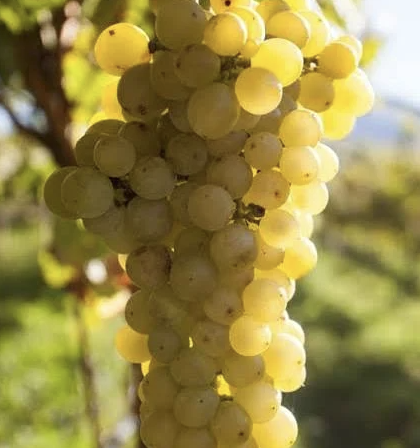
Moscato Giallo is one of the most exuberantly perfumed grapes in the Italian repertoire, a golden-berried member of the great Muscat family whose wines seem to leap from the glass. Grown across the north-east from Trentino-Alto Adige to the Veneto, it produces everything from bone-dry aromatic whites to unctuous sweet nectars. For drinkers who love fragrance, few Italian varieties offer such immediate and joyful aromatic generosity.
Origins and history Moscato Giallo belongs to the ancient and sprawling Muscat family, one of the oldest groups of cultivated grapes in the Mediterranean world. Its name, meaning yellow Muscat, refers to the deep golden colour its berries take on when fully ripe. In the German-speaking vineyards of Alto Adige it is known as Goldenmuskateller, a reflection of the grape’s long history straddling the cultural crossroads of Italy’s northern frontier. It should not be confused with the Gelber Muskateller of Germany and Austria, which despite the similar name is Moscato Bianco, a different grape.
A many-sided aromatic What makes Moscato Giallo so distinctive is its intense, unmistakable Muscat character combined with a rare stylistic flexibility. Unlike some aromatic grapes locked into a single sweet idiom, it moves comfortably between dry, off-dry, sweet and sparkling wines. In the Veneto it forms the backbone of a celebrated sweet passito appellation, while in Alto Adige it shines as a crisp, dry aromatic white.
Appearance and structure The wines range from pale straw to deep gold, the colour deepening with ripeness and residual sugar. Dry versions are medium-bodied with a refreshing acidity that keeps the aromatics from becoming cloying, while sweet examples are richer and more viscous. Across styles the grape retains a certain freshness that gives even its sweeter incarnations balance and drive.
Aromatic profile Moscato Giallo is a riot of perfume, offering orange blossom, elderflower, ripe peach, apricot and tropical fruit alongside the grape’s signature note of sage. There are frequent hints of honey, rose petal and candied citrus. The aromas are pure, floral and instantly recognisable, the very essence of what people mean when they speak of Muscat character.
In the vineyard The grape ripens to high sugar levels and develops its golden hue on warm, well-exposed hillside sites, from the Alpine valleys of Alto Adige to the volcanic hills of the Veneto. It is moderately vigorous and benefits from careful canopy management to protect its delicate aromatics. Its thick, golden skins also make it well suited to drying for passito production.
In the cellar Winemaking is generally gentle and protective, aimed at preserving the grape’s fragile aromatic compounds through cool fermentation in stainless steel. For dry wines fermentation is taken to completion, while sweet styles stop with residual sugar or use dried grapes. Sparkling versions capture the Muscat perfume in a frothy, festive form, showing yet another face of this versatile variety.
Key expressions
- Dry Alto Adige Goldmuskateller, crisp and intensely floral.
- Sweet passito wines from the Veneto’s aromatic hills.
- Frothy sparkling and frizzante styles bursting with Muscat scent.
- Late-harvest and off-dry versions balancing sugar and freshness.
The question of aging Most Moscato Giallo is made to be enjoyed young, when its aromatics are at their most vivid and lifted. Dry versions in particular are best drunk within a few years to capture their floral freshness. The sweet passito wines, however, have real staying power, deepening over a decade or more into honeyed, candied and spiced complexity while keeping their perfumed core.
At the table Dry Moscato Giallo is a delightful aperitif and a fine match for spiced Asian dishes, aromatic herbs and lighter white meats, its perfume echoing the food’s fragrance. Off-dry versions flatter fruit and mildly spicy fare, while the sweet passito wines are classic partners for dry pastries, biscotti, blue cheese and fruit desserts. Serve all styles well chilled.
Why it matters Moscato Giallo showcases the sheer aromatic beauty that Italy’s Muscat grapes can achieve, in a form that is both accessible and endlessly adaptable. From the Alpine north to the volcanic Veneto it gives voice to a shared love of fragrant, food-friendly wine across dry and sweet styles alike. For anyone drawn to perfume in the glass, it is a joyful and rewarding grape to explore.