
Nero di Troia
Puglia's ancient, muscular red—also known as Uva di Troia—producing structured, age-worthy wines with dark fruit and a distinctive bitter chocolate finish.
Nero di Troia is a grape variety most associated in Italy with Castel del Monte Rosso Riserva and Castel del Monte Nero di Troia Riserva. I have reviewed one wine made from it.
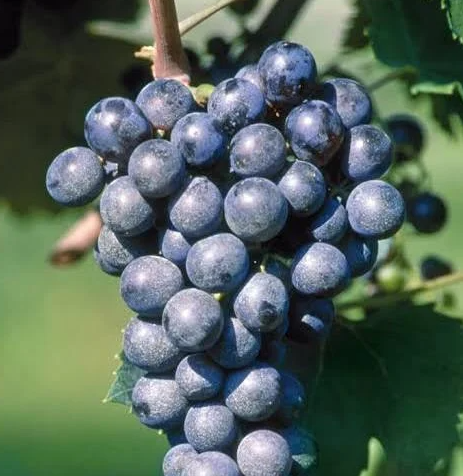
Puglia’s Structured Red Nero di Troia is one of the three great native red grapes of Puglia, alongside Primitivo and Negroamaro, but it stands apart for its firm structure, fine tannins and capacity to age. The most “serious” and tannic of Puglia’s reds, it produces wines of real depth and longevity in the north of the region, and has become a focus of the area’s quality ambitions.
Origins and Name Also known as Uva di Troia, the grape’s name refers to the town of Troia in northern Puglia, though romantic legend variously links it to ancient Troy and to Greek settlers. Whatever the truth of its origins, Nero di Troia has been grown in northern Puglia for centuries and is firmly established as the noble red grape of the region’s northern provinces.
A Grape of Northern Puglia Nero di Troia’s heartland is the north of Puglia, especially around Castel del Monte and the provinces of Foggia and the Murge plateau. Here the limestone soils, altitude and continental-influenced climate give the grape the freshness and structure that distinguish it from the riper, warmer reds of the Salento further south.
In the Vineyard A late-ripening variety that demands warmth and a long season to mature its firm tannins fully, Nero di Troia can be challenging to grow well, with a tendency to uneven ripening. Careful site selection, full ripeness and restrained yields are essential to tame its structure and reveal its perfumed, age-worthy character rather than green harshness.
Appearance and Structure Nero di Troia gives deeply coloured wines of medium to full body, with firm but fine tannins and good acidity — a structured, age-worthy profile more reminiscent of central or northern Italian reds than of the plush, warm wines often expected of the deep south. It balances southern ripeness with genuine grip and freshness.
Aromatic Profile The signature is dark fruit — black cherry and plum — lifted by violet, black pepper, dried herbs, liquorice and a savoury, spicy character. The aromas combine ripe southern fruit with a perfumed, peppery lift, and with age the wines develop leather, tobacco and dried-fruit complexity.
In the Cellar Nero di Troia is made from fresh, fruity rosati and everyday reds to structured, oak-aged bottlings built for the cellar. Its firm tannins benefit from careful extraction and oak ageing, and it is also valued as a blending grape, lending colour and structure to wines based on the softer Puglian varieties.
Key Expressions
- Castel del Monte (incl. DOCG Riserva): the benchmark — structured, age-worthy reds from northern Puglia.
- Varietal Nero di Troia: from fresh, fruity styles to ambitious oak-aged bottlings.
- Rosato: fresh, structured rosés that showcase the grape’s freshness.
- Puglian blends: a colouring, structuring partner to Primitivo and Negroamaro.
The Question of Aging More age-worthy than its southern siblings, the best Nero di Troia — especially the Castel del Monte Riserva bottlings — ages well for a decade or more, the firm tannins softening as the dark fruit deepens into leather, tobacco, dried herbs and spice.
At the Table Its structure, tannin and spice call for substantial food: roast and grilled meats, lamb, game, rich pasta and ragù, and mature cheeses. The wine’s firm grip and freshness make it a fine match for hearty, flavourful dishes that softer southern reds might struggle to balance.
A Modern Focus Once grown largely for blending and bulk, Nero di Troia has become a focus of northern Puglia’s quality ambitions. Producers around Castel del Monte and beyond have recognised that its firm structure and freshness give it a rare capacity, among southern grapes, to make serious, age-worthy wine, and have invested in better sites, lower yields and careful cellar work to realise that potential.
Why It Matters Nero di Troia is the structured, age-worthy face of Puglian red wine — a grape that brings firmness, freshness and longevity to a region famed for its riper, softer reds, and a key player in northern Puglia’s drive to be taken seriously among Italy’s quality wine regions.