
Oseleta
An ancient, nearly-extinct Veronese variety revived by Masi Agricola, contributing tannin, deep color, and Alpine herbal character to Amarone blends.
Oseleta is a grape variety most associated in Italy with Valpolicella and Amarone della Valpolicella.
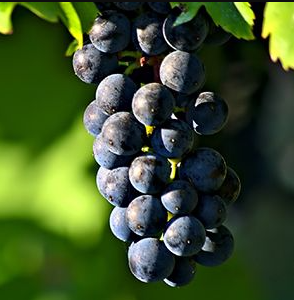
Oseleta is one of the great rediscoveries of the Veneto, a rare native red grape brought back from the edge of extinction to enrich the celebrated wines of Valpolicella. Small-berried, thick-skinned and intensely coloured, it adds depth, structure and ageing potential to some of Italy’s most famous reds. For those fascinated by the revival of forgotten varieties, Oseleta is a compelling and increasingly important grape.
Origins and history Oseleta is an indigenous red grape of the Valpolicella area, in the hills north of Verona. Its name comes from the local Veronese dialect word for little bird, a reference to the birds that were drawn to its tiny, flavourful berries. Long a part of the region’s traditional field blends, it very nearly disappeared following the phylloxera crisis of the late nineteenth and early twentieth centuries, surviving only in scattered, forgotten corners.
A celebrated revival Oseleta owes its survival to the pioneering work of the Veronese producer Masi, who rediscovered and replanted the grape in small quantities in the early 1980s. Championed by Masi’s Sandro Boscaini, the variety was gradually reintroduced into the region’s traditional blends and is now recognised in the rules of both Valpolicella and Amarone. Its revival has become a model for the rescue of Italy’s endangered native grapes.
Appearance and structure Oseleta is defined by its small berries and thick skins, which give wines of deep, intense colour and robust tannin. It contributes structure, grip and concentration, adding backbone and ageing potential to the blends in which it appears. Whether as a minor component or, rarely, a varietal wine, it brings a dark, powerful and structured character built on colour and tannin.
Aromatic profile The nose is marked by dark berries, cherry and blueberry, followed by mineral tones and rich aromatic herbs. There is a savoury, spicy depth to the grape that complements the riper fruit of its blending partners. The overall impression is of a concentrated, herb-tinged red that adds complexity and darkness to the wines it enriches.
In the vineyard Oseleta’s small berries and thick skins are the key to its deep colour and firm tannins, concentrating flavour and pigment. It grows in the hills of Valpolicella, where it was once a natural part of the region’s field-blend vineyards. Its rediscovery required patient propagation from surviving vines, and it remains relatively scarce, planted in small parcels by producers committed to its revival.
In the cellar Oseleta is primarily used as a minor blending component, typically making up between five and fifteen percent of Valpolicella and Amarone wines, where it enhances colour, tannin and structure alongside dominant grapes such as Corvina and Rondinella. Its thick skins also suit it well to the appassimento drying central to Amarone. A few producers craft rare varietal versions to showcase its dark, structured character.
Key expressions
- A structural, colour-boosting component of Valpolicella and Amarone.
- Appassimento wines where its thick skins add concentration.
- Rare varietal bottlings showing its dark, herbal power.
- Blends where it lends tannin and ageing potential.
The question of aging Oseleta’s deep colour, firm tannin and concentration make it a natural contributor to age-worthy wines, and it is prized precisely for the longevity it lends to Valpolicella and Amarone blends. In these wines its structure helps them evolve gracefully over many years. The rare varietal versions likewise show real ageing potential, their dark fruit and herbs deepening with time in the cellar.
At the table As a component of structured Valpolicella and Amarone, Oseleta contributes to wines that pair beautifully with hearty, rich fare, from braised and roasted meats to game, aged cheeses and robust pasta. Its tannin and depth cut through fatty dishes, while its herbal character flatters savoury cooking. Serve these wines at cool room temperature to show their structure and complexity.
Why it matters Oseleta is a triumph of viticultural rescue, a nearly lost native grape revived to enrich the great wines of Valpolicella and Amarone. Its deep colour, structure and ageing potential have made it a valued addition to the region’s blends, while its story stands as a model for preserving Italy’s vinous biodiversity. For lovers of the wines of Verona, Oseleta is a small but significant treasure.