

Emidio Pepe: The Alchemist of Abruzzo
In Memoriam: Emidio Pepe The Italian wine world recently lost one of its most uncompromising and visionary figures. On July
The sheep's grape of the Apennines—crisp, aromatic, and richly textured, one of Central Italy's most exciting white revivals from Abruzzo and Marche.
Pecorino is a grape variety most associated in Italy with Offida. I have reviewed one wine made from it.
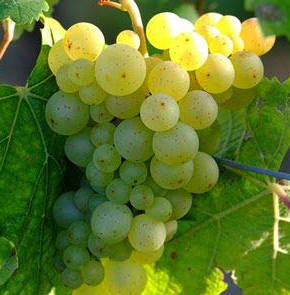
The Revived White of the Adriatic Pecorino is a characterful native white grape of central Italy’s Adriatic regions, above all the Marche and Abruzzo, which has enjoyed a striking modern revival. Despite sharing its name with the famous sheep’s cheese, the grape is entirely distinct, producing structured, mineral, herb-scented whites of real quality. From near-extinction it has become one of the most successful and admired white varieties of the central Adriatic.
A Grape Saved from Obscurity Like several Italian natives, Pecorino had nearly vanished by the late 20th century, its low yields making it unfashionable in an era that prized productivity. Its name is usually linked to the sheep (pecora) that grazed the central Apennine hills, perhaps because the flocks were fond of the early-ripening grapes. A handful of determined growers revived it from the 1980s, restoring it to prominence.
A Grape of the Central Apennines Pecorino’s heartland straddles the Marche and Abruzzo, in the hills of the central Adriatic where the Apennines meet the coast. The combination of altitude, limestone soils and a climate balancing mountain freshness with Adriatic warmth gives the wines their structure, minerality and characteristic herbal, savoury lift, distinct from the softer whites of the plains.
In the Vineyard An early-ripening but low-yielding variety, Pecorino keeps excellent acidity and develops real concentration when grown on good hillside sites and farmed with care. Its modest productivity, once the cause of its decline, is now valued for the intensity and structure it brings, and the best wines come from restrained yields on the better Apennine slopes.
Appearance and Structure Pecorino gives pale to golden whites of medium to full body, with firm, fresh acidity and a structured, sometimes textured palate. It is a white of real substance and savour rather than simple fruitiness, combining freshness with weight and a mineral grip that gives the wines presence, length and a gastronomic character.
Aromatic Profile The signature is citrus and green apple lifted by white flowers, aniseed, dried herbs, a hint of tropical fruit and a saline, mineral character. The herbal, savoury profile is especially distinctive, giving the wines an aromatic complexity and a fresh, almost mountain-herb lift that sets Pecorino apart from neighbouring varieties.
In the Cellar Pecorino is vinified both as fresh, steel-fermented whites for early drinking and in richer, lees-aged or partly oaked styles that build texture and reveal an age-worthy side. Its acidity and structure reward careful handling, and the best producers craft wines of genuine depth that have driven the grape’s modern reputation.
Key Expressions
The Question of Aging Much Pecorino is enjoyed young for its fresh, herbal character, but the best structured and lees-aged examples can age well for several years, the citrus and herbs deepening into honey, dried fruit and a richer, more mineral complexity that rewards a little patience.
At the Table Its acidity, structure and herbal character make Pecorino a fine food white, especially with Adriatic seafood: grilled and fried fish, shellfish, brodetto, crustacean pasta and vegetable dishes, as well as white meats and fresh cheeses. The savoury, herbal lift flatters herb-rich central Italian cooking.
Not the Cheese The grape’s shared name with Italy’s famous sheep’s-milk cheese causes endless confusion, but the two are wholly unrelated beyond their common root in pecora, the sheep. A drinker ordering a glass of Pecorino can expect a crisp, mineral white, not a dairy product — a small linguistic quirk that has, if anything, helped make the wine’s name memorable and distinctive in export markets.
Why It Matters Pecorino is one of the triumphs of the central Italian wine revival — a once-vanishing grape reborn as a structured, mineral, herb-scented white of real character, and a proud Adriatic counterpart to the better-known whites of the north and south.
In Memoriam: Emidio Pepe The Italian wine world recently lost one of its most uncompromising and visionary figures. On July
The 2024 Donvitantonio Pecorino is exactly what you want from this increasingly popular grape variety: it is fresh, vibrant, and