
Pignolo
Friuli's endangered great red—tannic, austere, and built for long aging, producing powerful, complex wines from a tiny base of surviving old vines.
Pignolo is a grape variety most associated in Italy with Friuli Colli Orientali and Venezia Giulia. I have reviewed one wine made from it.
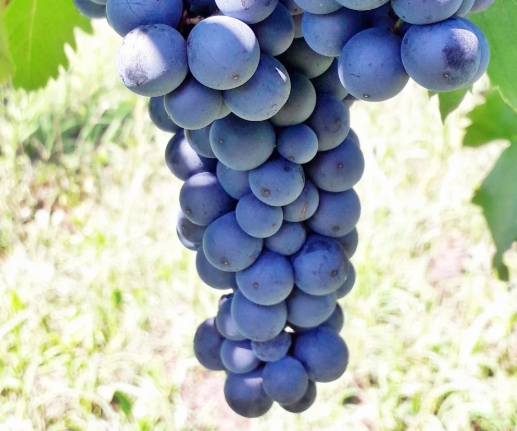
Friuli’s Powerful Red Pignolo is a rare and formidable red grape of Friuli, in Italy’s north-east, producing some of the region’s most structured, concentrated and long-lived wines. Deeply coloured, richly tannic and intensely flavoured, it was rescued from near-extinction to become a cult varietal prized for its power and aging potential. A grape of remarkable intensity, it stands apart from the fresh, aromatic whites for which Friuli is best known.
A Grape Saved from Extinction Pignolo has ancient roots in Friuli, historically associated with the Abbazia di Rosazzo in the Colli Orientali, but by the twentieth century it had dwindled almost to nothing. Its revival, from a few surviving vines rediscovered in the 1970s and 80s, is one of Italy’s great tales of varietal rescue, and today it survives in tiny quantities as a treasured specialty of the region’s hills.
The Meaning of the Name The name Pignolo is usually said to come from the pine-cone-like (pigna) shape of its small, tightly packed bunches, though some link it to the fussy, demanding nature of the grape in the vineyard. Either way, it is a difficult, low-yielding variety that rewards patience and care, its scarcity and challenging cultivation adding to the mystique that surrounds its powerful wines.
In the Vineyard Pignolo is a late-ripening, low-yielding variety that demands warm, well-exposed sites in the Colli Orientali to ripen its thick-skinned, tannin-rich grapes fully. Difficult and unproductive, it gives small crops of intensely concentrated fruit. Its compact bunches and phenolic-rich skins are the source of the wine’s deep colour and formidable structure, and careful farming is essential to tame its natural power.
Appearance and Structure Pignolo gives deeply coloured, full-bodied reds of imposing structure, with firm, abundant tannins, fresh acidity and great concentration. These are powerful, muscular wines built for the long haul, often forbidding in youth and needing time to soften. Their density, grip and depth mark them out as among the most structured reds of north-eastern Italy, closer in weight to a great Tuscan or Piedmontese red.
Aromatic Profile The aromas are dark and brooding — blackberry, black cherry and plum — framed by spice, liquorice, tar, tobacco, leather and a savoury, sometimes balsamic depth. This intense, dark-fruited, spicy character gains complexity with age, developing earthy, leathery and dried-fruit notes. The combination of power, spice and savoury depth gives Pignolo a serious, meditative personality all its own.
In the Cellar Pignolo’s firm tannins and concentration call for careful winemaking and extended oak aging to build complexity and soften its formidable structure. Usually made as a varietal, it is aged in barrel for a year or more and often held before release. The winemaker’s task is to harness the grape’s power without letting the tannins overwhelm, coaxing its dark fruit and savoury depth into balance.
Key Expressions
- Colli Orientali del Friuli Pignolo: the structured, powerful varietal red.
- Rosazzo: the historic heartland linked to the grape’s revival.
- Oak-aged reserve bottlings: concentrated, long-lived expressions.
- Small-grower cuvées: cult wines from the few dedicated producers.
The Question of Aging Pignolo is one of Friuli’s most ageworthy reds, built for the long term. Its firm tannins, acidity and concentration allow it to develop over a decade or more, the dark fruit deepening into leather, tobacco, dried fruit and savoury, balsamic complexity as the tannins gradually mellow. Young Pignolo is often austere and demanding, and generally rewards, even requires, patient cellaring.
At the Table Pignolo’s power, tannin and dark, savoury fruit make it a natural partner for robust, rich dishes — game, braised and roast red meats, hearty stews and mature hard cheeses. Its firm structure needs substantial food to show at its best, and the savoury, spicy character flatters slow-cooked and gamey flavours, making it an ideal companion for a serious winter meal.
Why It Matters Pignolo is a triumph of varietal rescue — a nearly lost Friulian red revived into one of the north-east’s most powerful and ageworthy wines. Deeply coloured, richly tannic and intensely flavoured, it proves that Friuli, celebrated for its whites, can also produce serious, cellar-worthy reds, and stands as a treasured, hard-won survivor of Italy’s viticultural heritage.