
Schiava
Alto Adige's everyday red—light, simple, and joyfully grapey, best served slightly chilled alongside the region's smoked meats and mountain cuisine.
Schiava is a grape variety most associated in Italy with Lago di Caldaro and Alto Adige. I have reviewed one wine made from it.
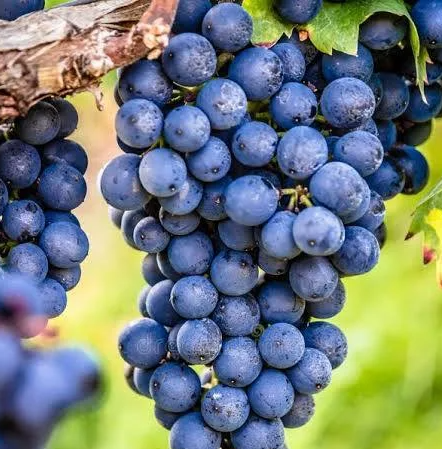
The Pale Alpine Red Schiava is the traditional everyday red grape of Alto Adige, producing pale, light, soft and gently fruity wines that are the convivial table reds of the South Tyrol. Known in German as Vernatsch and related to the Trollinger of Germany, it makes some of the lightest and most charming reds in Italy — wines of fragrance and easy drinkability rather than power, and a delightful expression of the region’s alpine, Germanic wine culture.
Origins and Names Schiava is an old variety of the alpine region, long established in the South Tyrol, where it is known by the German name Vernatsch; it is the same grape as Germany’s Trollinger. The name covers several related sub-varieties (Schiava Grossa, Gentile and others), and its deep roots in the borderlands reflect the shared culture of a region that straddles the Italian and Austro-German worlds.
A Grape of Alto Adige Schiava’s heartland is Alto Adige, especially around Bolzano and the shores of Lake Caldaro, where the warm valley floors and surrounding slopes suit its light, fruity style. Two zones are especially associated with it: Santa Maddalena, on the hills above Bolzano, and Lago di Caldaro (Kalterersee), around the lake to the south, both giving classic expressions of the grape.
In the Vineyard A vigorous, productive variety traditionally trained on the high pergolas of the South Tyrol, Schiava gives generous yields of pale, soft-skinned grapes. For everyday wine it is cropped abundantly, but the best, more characterful examples come from older vines and restrained yields on the better hillside sites, which concentrate its delicate fruit and gentle structure.
Appearance and Structure Schiava gives very pale, light ruby wines of light body, with soft, gentle tannins and fresh, moderate acidity. They are among the lightest reds in Italy — delicate, soft and immediately approachable, sometimes barely deeper in colour than a rosé — prized for their fragrance, freshness and easy, food-friendly drinkability rather than for structure or depth.
Aromatic Profile The signature is soft red fruit — strawberry and red cherry — with a characteristic note of almond, violets, fresh herbs and a gentle, savoury earthiness. The aromas are delicate and charming, giving the wines a fresh, fruity, almost floral appeal; their light, fragrant character is the whole point, a red of refreshment rather than weight.
In the Cellar Schiava is vinified to preserve its pale colour, soft fruit and fresh, gentle character, usually with light extraction and little or no oak. The aim is freshness and drinkability, producing a light, fragrant red that is often served slightly cool — the everyday wine of the South Tyrol’s taverns and tables, made for immediate, convivial enjoyment.
Key Expressions
- Santa Maddalena (St. Magdalener): the benchmark — fragrant, characterful light reds from the hills above Bolzano.
- Lago di Caldaro (Kalterersee): soft, light, easy reds from around the lake.
- Alto Adige Schiava / Vernatsch: the everyday alpine red of the South Tyrol.
- Old-vine bottlings: more concentrated, characterful expressions from the best sites.
The Question of Aging Schiava is emphatically a grape for fresh, youthful drinking, prized for the soft, fragrant fruit that is at its best within a year or two of the vintage. It is not built for ageing; its charm lies in its light, fresh, delicate character, best enjoyed young and even lightly chilled.
At the Table Its light body, soft tannins and fresh fruit make Schiava wonderfully versatile and easy, a rare red that suits lighter and warm-weather dishes: speck and cured meats, alpine dumplings, charcuterie, light pasta, vegetable dishes and fresh cheeses. Served slightly cool, it is the perfect convivial, all-purpose table red.
Why It Matters Schiava is the soft, pale, everyday red of the South Tyrol — a light, fragrant, charming grape that embodies the alpine, Germanic wine culture of Alto Adige, and a reminder that not all of Italy’s characterful reds need to be deep, powerful or serious.