
Sorbara
The most elegant of the Lambrusco family, producing copper-hued, fresh, and delicate sparkling reds of surprising lightness from the alluvial soils near Modena.
Sorbara is a grape variety most associated in Italy with Lambrusco di Sorbara. I have reviewed two wines made from it.
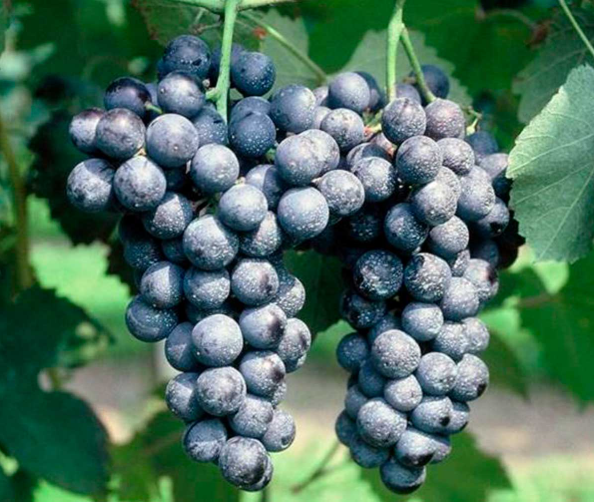
The Elegant Lambrusco Sorbara, or Lambrusco di Sorbara, is the most refined and delicate member of the Lambrusco family, producing pale, fragrant, high-acid sparkling reds and rosés of great charm. Renowned for its perfume of violets and red fruit and its bracing freshness, it is often considered the finest of all the Lambruscos — a wine of elegance and vivacity that has done much to raise the reputation of the whole category.
Origins around Modena Lambrusco di Sorbara takes its name from the village of Sorbara, north of Modena in Emilia, where the low-lying, sandy alluvial soils give the grape its classic expression. One of the most distinctive members of the diverse Lambrusco family, it is deeply tied to this small zone of the Emilian plain, its reputation for finesse and fragrance built over generations in its home territory.
A Grape of Poor Fruit Set Lambrusco di Sorbara is notorious for poor and irregular fruit set, often failing to pollinate fully and setting sparse bunches, which reduces yields but concentrates aroma and acidity. It is frequently interplanted with Lambrusco Salamino to aid pollination. This natural quirk contributes to the grape’s low colour and high acidity — the very traits that give its pale, fragrant wines their characteristic delicacy and freshness.
In the Vineyard Grown on the sandy soils of the Sorbara zone, the grape ripens to give pale, aromatic, high-acid fruit, its irregular fruit set keeping yields modest despite the vine’s natural vigour. The interplanting with Salamino to improve pollination is a traditional practice of the area. The light soils and careful farming are central to preserving the freshness and perfume for which Sorbara is prized.
Appearance and Structure Sorbara gives the palest wines of the Lambrusco family — light red to vivid rosé — with very fresh, bracing acidity, little tannin and a lively, frothy mousse. Light-bodied and refreshing, the wines are all about fragrance, freshness and effervescence rather than colour or structure. This delicacy and high acidity set Sorbara apart as the most elegant and vivacious of the sparkling reds of Emilia.
Aromatic Profile The signature is a lovely perfume of violets and fresh red fruit — strawberry, raspberry and red cherry — with floral and gently citrusy notes and a clean, vinous freshness. This fragrant, floral, red-fruited character, more delicate and perfumed than any other Lambrusco, is the hallmark of Sorbara, giving its pale wines an elegance and charm that belie the category’s humble reputation.
In the Cellar Lambrusco di Sorbara is made sparkling, most often by the tank (Charmat) method that preserves its fresh fruit and floral perfume, in styles from bone-dry to gently sweet. A growing number of producers make it by traditional bottle refermentation, giving drier, more savoury, artisanal wines of great character. In all cases the winemaking aims to capture the grape’s delicacy, fragrance and vivid freshness.
Key Expressions
- Lambrusco di Sorbara DOC: the pale, fragrant, high-acid classic.
- Dry (secco) styles: bracing, elegant, food-friendly sparkling reds and rosés.
- Bottle-refermented cuvées: savoury, artisanal metodo ancestrale wines.
- Rosé-hued bottlings: vivid pink expressions of the grape’s pale colour.
The Question of Aging Lambrusco di Sorbara is made to be drunk young and fresh, within a year or two, when its violet perfume, red fruit and bracing acidity are at their most vivid. It is not a wine for the cellar, though the drier, bottle-fermented styles can hold a little longer; the pleasure of Sorbara lies in its youthful fragrance, delicacy and lively, refreshing effervescence.
At the Table Sorbara’s high acidity, delicacy and lively fizz make it a superb partner for the rich cuisine of Emilia — cured meats, salami, prosciutto, Parmigiano and fried dishes — cutting through fat and richness with ease. Served chilled, the dry styles are wonderfully versatile, working as an aperitif and throughout a meal, their freshness and fragrance flattering a wide range of food.
Why It Matters Lambrusco di Sorbara is the aristocrat of the Lambrusco family — a pale, fragrant, high-acid sparkling red of genuine elegance that overturns every cliché about the category. Perfumed with violets and bursting with freshness, it shows how serious and charming Emilia’s sparkling reds can be, and stands as one of the most delightful expressions of Italian fizz.