
Verdeca
Puglia's native white—the backbone of Locorotondo and Martina Franca DOCs—producing fresh, neutral wines once important in Vermouth production.
Verdeca is a grape variety most associated in Italy with Vesuvio, Lacryma Christi del Vesuvio Rosso and Puglia. I have reviewed one wine made from it.
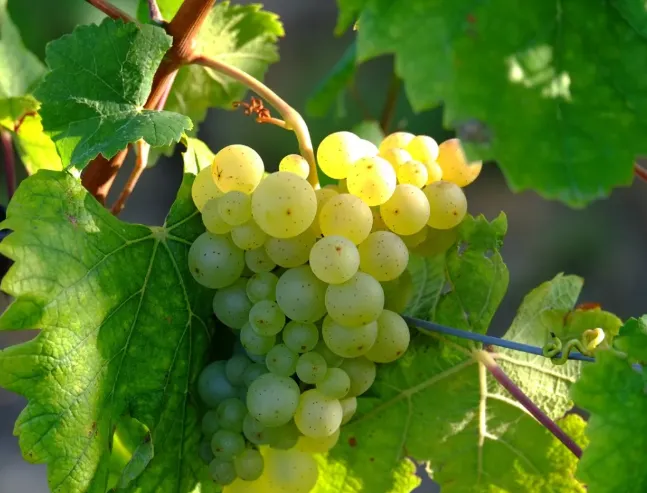
Puglia’s Classic White Verdeca is the leading traditional white grape of Puglia, the sun-baked heel of Italy, and the mainstay of the region’s historic white wines from around Locorotondo and Martina Franca. Producing fresh, light, gently green-tinged whites, it once supplied vast quantities of base wine for vermouth, but has been rediscovered as a characterful dry white in its own right, and remains central to Puglian white wine.
Origins in the Trulli Country Verdeca is native to Puglia, grown especially in the Valle d’Itria, the picturesque plateau of whitewashed trulli houses in the province of Bari and beyond. Its name derives from the greenish (verde) tinge of its ripe berries and wines. Deeply rooted in the local tradition, it is the historic backbone of the Locorotondo and Martina Franca appellations, the classic white wines of the region.
From Vermouth Base to Rediscovery For much of the twentieth century Verdeca’s high, neutral yields made it a favoured base for vermouth and other aromatised wines, and much of its crop left the region for that purpose. In recent years, however, growers have rediscovered its potential for fresh, characterful dry whites, reducing yields and taking more care to reveal a grape of genuine appeal beyond its industrial past.
In the Vineyard Verdeca ripens well in Puglia’s hot, dry, sunny climate while keeping fresh acidity, especially on the cooler, higher sites of the Valle d’Itria plateau. A vigorous, productive variety, it needs restrained yields to give quality rather than mere quantity. Grown on the region’s limestone soils, it yields greenish-gold grapes whose freshness is best preserved by careful farming and cool sites.
Appearance and Structure Verdeca gives pale, often greenish, light-bodied dry whites with fresh acidity, moderate alcohol and a clean, sometimes gently bitter finish. These are wines of lightness and freshness rather than weight, their crisp, easy character making them refreshing and food-friendly. The grape’s brightness and subtle green edge give the wines a clean, appetising quality well suited to warm-weather drinking.
Aromatic Profile The aromas are delicate and fresh — green apple, citrus, white flowers, herbs and a faint almond note, with a clean, subtly green, Mediterranean character. Rather than showy fruit, Verdeca offers restraint and freshness, its herbal, floral and orchard-fruit notes giving the wines a light, appetising personality that reflects the sunny yet high-altitude plateau on which the best examples grow.
In the Cellar Verdeca is usually vinified in stainless steel to preserve its fresh acidity and delicate aromatics, producing crisp, unoaked dry whites for early drinking, both as a varietal and in the traditional Locorotondo and Martina Franca blends with other local whites. Some producers experiment with lees aging or skin contact for added texture, but freshness and clean, light appeal remain the priority.
Key Expressions
- Locorotondo DOC: the classic Valle d’Itria white built on Verdeca.
- Martina Franca DOC: the neighbouring traditional white blend.
- Varietal Verdeca: modern, characterful dry bottlings.
- Sparkling styles: occasional fizz showcasing the grape’s freshness.
The Question of Aging Verdeca is best enjoyed young, within a year or two, when its fresh fruit, floral perfume and crisp acidity are at their most vivid. It is a grape made for youthful, refreshing drinking rather than the cellar, and long aging brings little reward; its appeal lies in its light, clean, appetising freshness and its easy, food-friendly Mediterranean character.
At the Table Verdeca’s freshness, lightness and clean character make it a natural partner for the seafood and vegetable-rich cuisine of Puglia — grilled fish and shellfish, antipasti, fresh cheeses, salads and light pasta. Its crisp acidity and subtle bitterness cut through fried and oil-rich dishes, making it an ideal warm-climate white for the sun-drenched cooking of southern Italy.
Why It Matters Verdeca is the historic white of Puglia — the grape behind the classic wines of the trulli country, rescued from its old role as a mere vermouth base to become a fresh, characterful dry white once more. Its rediscovery embodies the modern revival of southern Italian whites, showing how a humble workhorse grape can regain its dignity and charm.