

Arianna Occhipinti: Sicily’s Soul in a Glass
Some winemakers create wines beyond taste which seem to have a life of their own. They tell stories. They alter
The sun-soaked Muscat of Sicily—producing the legendary Passito di Pantelleria DOC and exuberantly aromatic dry whites from the volcanic soils of a Mediterranean island.
Zibibbo is a grape variety most associated in Italy with Pantelleria, Sicilia, Calabria and Terre Siciliane. I have reviewed one wine made from it.
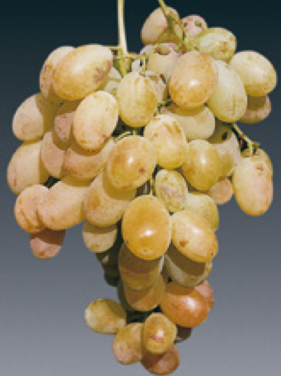
The Exotic Grape of Pantelleria Zibibbo is the intensely aromatic white grape of Sicily and its windswept island of Pantelleria, famous above all for the luscious sweet wines made from its sun-dried grapes. Known to the wider world as Muscat of Alexandria, it produces wines of extraordinary perfume and exotic richness, from dry and sparkling whites to the celebrated Passito di Pantelleria — one of the great dessert wines of Italy and a true taste of the Mediterranean sun.
Origins and Name Zibibbo is the Sicilian name for Muscat of Alexandria, one of the oldest members of the Muscat family, with origins traced to North Africa and the eastern Mediterranean. The name Zibibbo derives from the Arabic zabib, meaning raisin or dried grape — a fitting etymology for a variety whose most famous wines are made precisely by drying the grapes in the fierce island sun.
A Grape of the Islands Zibibbo’s heartland is the volcanic island of Pantelleria, closer to Tunisia than to Sicily, where the relentless sun and wind shape both the grape and its cultivation. It is grown across western Sicily too, but Pantelleria — with its black volcanic soils and its vines trained low in protective hollows against the wind — is the grape’s iconic and defining home.
In the Vineyard On Pantelleria, Zibibbo is grown in the remarkable alberello pantesco, the low, dish-shaped bush vine planted in hollows to shelter it from the constant wind — a heroic viticulture recognised by UNESCO. The grape ripens to high sugar under the intense sun, and the best sweet wines are made by laying the harvested bunches out to dry and concentrate further.
Appearance and Structure Zibibbo’s wines range from pale, crisp dry whites to deep golden, richly sweet passito. The dry styles are light to medium-bodied and aromatic; the sweet passito is unctuous, concentrated and luscious, yet kept in balance, in the best examples, by fresh acidity and the grape’s vivid perfume, which prevents the richness from cloying.
Aromatic Profile The signature is intensely aromatic and exotic — orange blossom, jasmine, apricot, peach, candied citrus and a musky, grapey character. In the sweet passito these aromas concentrate into dried apricot, fig, honey, candied orange and exotic spice. Few grapes are so overtly and gloriously perfumed, the aromatics unmistakable in every style.
In the Cellar Zibibbo is made as dry and off-dry aromatic whites, as sparkling wine, and above all as sweet wine in two traditional styles: the lighter, fortified Moscato di Pantelleria and the richer Passito di Pantelleria, made from sun-dried grapes. The passito, concentrating the grape’s sugar and perfume, is its crowning achievement and one of Italy’s iconic sweet wines.
Key Expressions
The Question of Aging The dry and sparkling styles are best enjoyed young and fresh, while their exotic aromatics are vivid, but the great sweet Passito di Pantelleria ages magnificently for many years, its dried-fruit, honeyed and candied flavours deepening and growing more complex with extended time in bottle.
At the Table The luscious passito is a classic partner for almonds, dried fruit, pastries, blue cheeses and the almond-based sweets of Sicily, or simply sipped in contemplation. The dry styles suit aromatic and lightly spiced dishes, seafood and Mediterranean fare, their exotic perfume flattering bold, fragrant cooking.
Why It Matters Zibibbo is the exotic, sun-soaked treasure of Sicily and Pantelleria — an ancient, intensely aromatic Muscat that produces one of Italy’s greatest sweet wines, and whose heroic island viticulture and unmistakable perfume make it one of the most evocative grapes in the entire Mediterranean.
Some winemakers create wines beyond taste which seem to have a life of their own. They tell stories. They alter
The white wine unites Zibibbo and Albanello grapes to showcase Muscat’s floral essence while maintaining the rocky Mediterranean soil characteristics.