
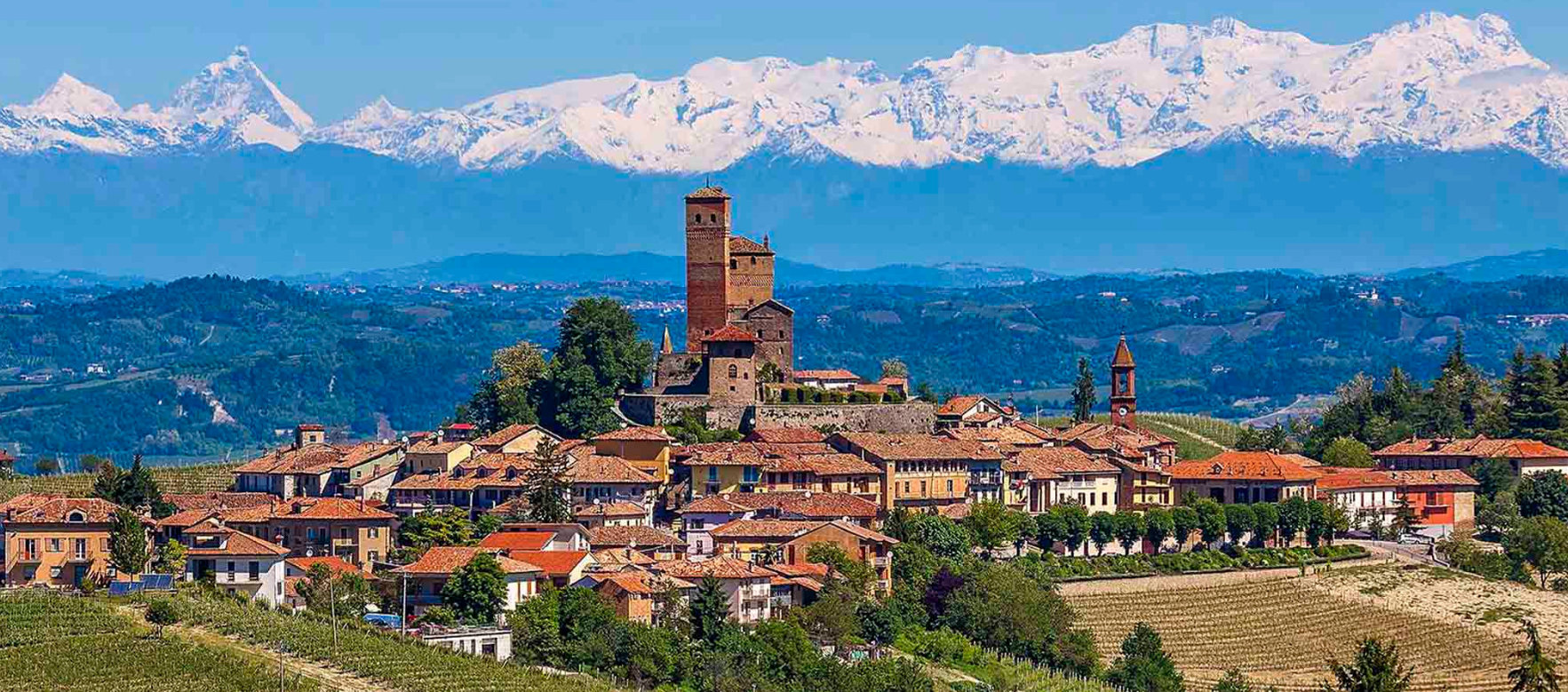
The 2022 vintage in Barbaresco is a fascinating paradox. On paper, it was a year that should have produced “cooked,” jammy wines—a torrid summer, near-total absence of rain, and a winter that failed to replenish the water tables. Yet, the wines in the glass tell a different story. They are vibrant, structurally sound, and possess an aromatic “crunch” that defies the extreme heat of the growing season.
While 2021 was the year of “classicism” and 2023 was warmer but wetter, 2022 is the vintage of vine plasticity. It is a year that separated the meticulous viticulturists from the rest.
The Growing Season: Fighting the Drought
The cycle began with a dry, mild winter. In the Langhe, we usually look for snow in January and February to act as a slow-release reservoir for the roots; in 2022, that snow never arrived. By the time bud break occurred in late March—roughly ten days earlier than average—the vines were already starting on a deficit.
The defining feature of the year was the sustained heat. Temperatures began climbing in May and stayed consistently high through August, frequently topping 35C (95F). In the cellars of Barbaresco, many feared a repeat of 2003. However, unlike 2003, the nights in 2022 remained relatively cool, allowing the vines to “breathe” and preserving the critical acidity that Nebbiolo requires.
The “miracle” occurred in mid-August. Localized storms—especially around the town of Barbaresco—provided just enough hydration to restart photosynthesis, which had stalled in many younger vines due to hydric stress.
Geology & The Buffer Effect
In a vintage this dry, soil composition was the ultimate arbiter of quality.
- The Clay Buffer: Vineyards with higher clay content (like those in Ovello and parts of Pora) fared significantly better. Clay has a higher water-holding capacity, acting as a sponge that kept the vines hydrated during the July peaks.
- The Sandy Struggle: Sites with higher sand proportions (common in portions of Neive and parts of Asili) saw more shriveled berries and lower yields. Producers here had to be extremely careful with “green harvesting” to ensure the vine wasn’t overburdened.
Village by Village Analysis
Barbaresco (The Village)
The heart of the appellation produced wines of incredible resonance. Because of its proximity to the Tanaro River, the morning fogs provided a micro-climate of humidity that helped buffer the heat.
- Asili: The 2022s from Asili are remarkably racy. They show a “red-fruit” profile with a mineral, almost iron-like finish.
- Rabajà: Always the more muscular brother to Asili, the 2022 Rabajà is austere but deep, with tannins that feel “ripe” rather than “dry.”
Neive
Neive traditionally produces the most powerful Barbarescos, and 2022 is no exception. However, the power here is balanced by a surprising floral lift.
- Gallina: Wines from this MGA are joyous and understated this year. There is less of the traditional “dark” fruit and more of a bright, tangerine citrus note.
- Albesani: This cru showed incredible resilience; the wines are plush but supported by a firm, chalky spine.
Treiso
As the highest-altitude commune with more forest coverage, Treiso’s cooler nights were its saving grace.
- Pajoré: Always a favorite for its elegance, the 2022 Pajoré is “crunchy” and high-toned.
- Montersino: Showing an “alpine freshness” that seems impossible for such a warm year.
Top Producer Spotlights
Gaja
Gaia Gaja and her team made the difficult decision to reduce production by nearly 50% compared to 2021 to maintain quality. The result is a trio of single-vineyard wines (Sori Tildin, Sori San Lorenzo, and Costa Russi) that are incredibly concentrated but maintain the signature “Gaja” silkiness.
Produttori del Barbaresco
In a move that surprised many, Aldo Vacca and the co-op decided to bottle all nine Riservas in 2022. Because of the small berries, the “normale” Barbaresco (which includes some Riserva-level juice) is arguably one of the best values of the decade—heady, dark-fruited, and deeply textured.
Bruno Giacosa
The Asili White Label 2022 is a masterpiece of the vintage. It is “racy” with long, pointed tannins and an aromatic profile of wild strawberry and sandalwood. It proves that even in extreme heat, Giacosa’s parcels in Asili remain the gold standard for elegance.
Roagna
Luca Roagna’s “Vecchie Viti” (Old Vines) are the heroes of 2022. Their deep root systems were able to tap into water reserves that younger vines couldn’t reach. The Pajè and Montefico are embryonic but show a purity of fruit and a lack of “oak imprint” that is refreshing.
Albino Rocca
Monica and Daniela Rocca produced some of their most refined wines to date. The Ronchi cru, with its 50-70 year old vines, shows an incredible “crunch” and savory depth that will allow it to age for decades.
Summary for the Cellar
The 2022 Barbarescos are not “long-haul” marathon runners in the way the 2016s or 2019s are, but they are far from “early drinkers.”
- Drinking Window: They will begin to open beautifully around 2028-2030.
- Character: Expect higher alcohol levels (often 14.5% to 15%), but balanced by intense dry extract and phenolic ripeness.