
Aglianico
The Barolo of the South—volcanic, tannic, and built for long aging, Aglianico produces some of Italy's most profound reds from the high terrain of Campania and Basilicata.
Aglianico is a grape variety most associated in Italy with Taurasi, Aglianico del Vulture, Aglianico del Taburno and Aglianico del Vulture Superiore. I have reviewed 13 wines made from it.
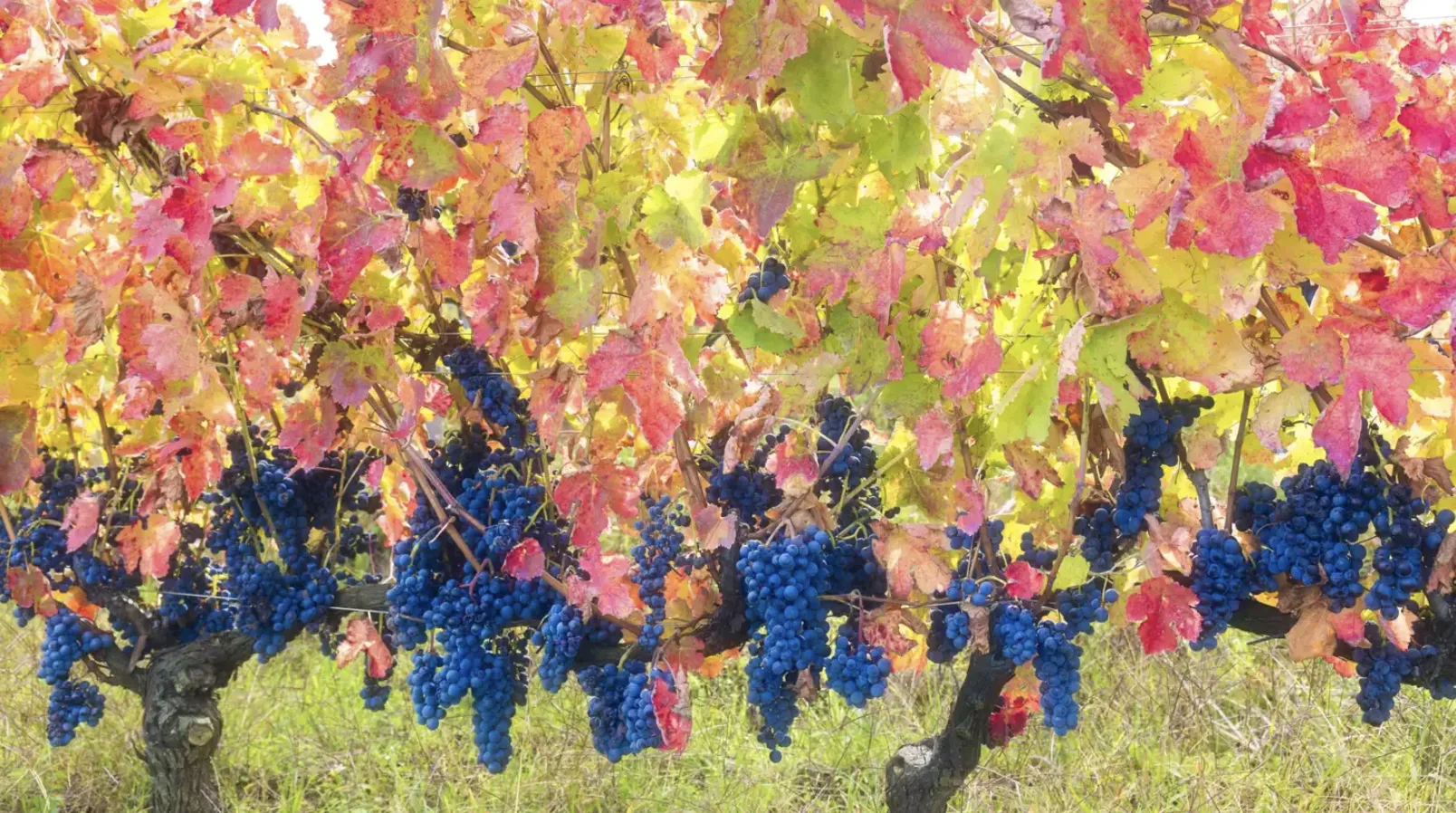
The Barolo of the South Aglianico is the greatest red grape of southern Italy, a noble, ancient variety that produces dark, powerful, structured wines capable of ageing for decades. So commanding is its structure — high in both tannin and acidity — that it is routinely called “the Barolo of the South,” a comparison to Nebbiolo that speaks to its seriousness, its longevity and its ability to express terroir with remarkable transparency. It is the grape that proves the Italian south can produce reds of the very highest order.
Ancient Origins Aglianico has been grown in Campania and Basilicata since antiquity, and was almost certainly known to the Greeks and Romans who prized the wines of the region. Its name was long thought to derive from “Hellenic,” suggesting Greek origins, though modern scholars dispute this etymology; whatever its source, the grape’s lineage in southern Italy stretches back more than two thousand years, making it one of the country’s most historic varieties.
A Grape of Volcanic Soils Aglianico’s finest expressions come from volcanic terroir: the slopes around the extinct volcano of Monte Vulture in Basilicata, and the volcanic and clay-limestone soils of Irpinia in Campania. These poor, mineral-rich soils, combined with significant altitude, give the wines their structure, freshness and a distinctive smoky, mineral character that sets them apart from other southern reds.
In the Vineyard Aglianico ripens exceptionally late, often well into late October or November, demanding a long, warm season to bring its formidable tannins to maturity. It is traditionally grown at altitude, where cool nights preserve its acidity, and is increasingly farmed for low yields on the best hillside sites. This combination of heat, altitude and patience is essential to taming the grape’s natural ferocity.
Appearance and Structure Aglianico gives deeply coloured, full-bodied wines with formidable tannins and high acidity — a powerful, austere structure in youth that can take years to soften. This very framework, forbidding when young, is precisely what allows the best examples to age and evolve for twenty years or more into something complex and profound.
Aromatic Profile The signature is dark fruit — black cherry, plum and blackberry — framed by tar, leather, dried herbs, tobacco, smoke and a savoury, ferrous minerality. With age it develops notes of dried fruit, coffee, chocolate, undergrowth and game, gaining the tertiary complexity that marks a truly serious red wine.
In the Cellar Aglianico’s high tannin and acidity demand careful handling: long, patient ageing in oak — traditionally large casks, increasingly a mix of formats — to soften its grip and build complexity. The best producers aim to tame the tannins without stripping the wine’s energy, producing reds that are powerful yet balanced and built for the long haul.
Key Expressions
- Taurasi (DOCG): the benchmark from Irpinia in Campania — powerful, structured and long-lived, the grape’s most celebrated wine.
- Aglianico del Vulture (Basilicata): grown on the volcanic slopes of Monte Vulture, mineral, smoky and intense, with a Superiore DOCG at its summit.
- Taburno (Campania): a firm, structured expression from the slopes of Monte Taburno.
- The wider south: a range of styles from accessible to ambitious across Campania, Basilicata and beyond.
The Question of Aging Few Italian reds outside Piedmont and Tuscany age as well. Top Taurasi and Aglianico del Vulture are often unapproachable in their youth and only begin to reveal their true character after a decade, the tannins resolving into a complex weave of dried fruit, leather, tar and smoke.
At the Table Its power and grip call for rich, substantial food: braised and roast meats, lamb, game, hearty ragù, grilled sausages and aged hard cheeses such as pecorino and caciocavallo. The wine’s structure is best matched by fat, protein and bold southern flavours.
Why It Matters Aglianico is the proudest red grape of the Italian south — a variety of ancient lineage and uncompromising structure that produces some of the country’s most age-worthy and underrated wines, and the clearest proof that greatness in Italian red wine is not confined to the north.