
Arneis
Piedmont's 'little rascal'—once nearly extinct, now celebrated for crisp, floral whites that offer a refreshing counterpoint to the region's powerful reds.
Arneis is a grape variety most associated in Italy with Roero, Terre Alfieri and Langhe. I have reviewed two wines made from it.
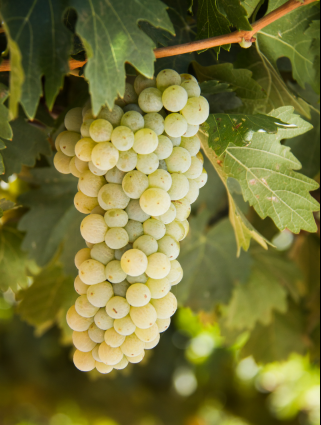
The White of Roero Arneis is the leading native white grape of the Roero, in the heart of red-wine Piedmont, producing fragrant, delicate, gently floral whites of real charm. Once almost extinct, it has been revived into the region’s signature white, a fresh and aromatic counterpoint to the mighty Nebbiolo of the surrounding hills. It is the white wine of Barolo and Barbaresco country, beloved for its perfume and easy elegance.
A Grape Saved from Extinction By the 1960s and 70s Arneis had dwindled almost to nothing, abandoned because of its difficult, low-yielding nature in favour of more reliable grapes. Its very name, in Piedmontese dialect, is often said to mean “little rascal,” a nod to its capricious behaviour in the vineyard. A few dedicated Roero producers revived it, and it has since become one of Piedmont’s most popular whites.
A Grape of the Roero Arneis’s heartland is the Roero, the hills on the left bank of the Tanaro across from the Langhe, where the sandy, marine-sediment soils give the wines their fragrance and delicacy. It is also grown in the Langhe itself, but the sandy Roero is its true home and the source of its most characteristic, perfumed expressions.
In the Vineyard Arneis is a vigorous but tricky variety, prone to low and inconsistent yields and to losing acidity if picked too late — challenges that nearly caused its extinction. Careful timing of the harvest is essential to preserve its freshness and aromatics, and the sandy Roero soils suit its delicate, fragrant character especially well.
Appearance and Structure Arneis gives pale, bright, light to medium-bodied whites with moderate acidity and a delicate, gently textured palate. It is a wine of fragrance and finesse rather than power or structure, finishing dry with a characteristic subtle almond note that gives it a savoury edge beneath its floral, fruity charm.
Aromatic Profile The signature is white flowers, ripe pear and white peach lifted by chamomile, citrus, a hint of dried herbs and a gentle almond note. The aromas are delicate and perfumed, giving the wines an immediate floral charm; the modest acidity makes them soft and approachable rather than racy, a gentle, fragrant style.
In the Cellar Most Arneis is vinified in stainless steel and made for fresh, early drinking, the style that has driven its popularity. A few producers experiment with lees ageing or partial oak to add texture, and the grape is occasionally made in sparkling and even sweet styles, but its classic expression remains the fresh, fragrant dry white.
Key Expressions
- Roero Arneis (DOCG): the benchmark — fragrant, delicate, floral whites from the sandy Roero hills.
- Langhe Arneis: fresh, perfumed whites from across the Langhe.
- Lees-aged bottlings: more textured styles from ambitious producers.
- Sparkling & sweet styles: occasional traditional expressions of the grape.
The Question of Aging Arneis is emphatically a grape for fresh, youthful drinking, prized for the floral perfume and delicate fruit that are at their best within a year or two of the vintage. Most examples are not built for ageing, though the rare lees-aged bottlings can hold and gain a little texture over a few years.
At the Table Its fragrance, delicacy and gentle structure make Arneis a versatile aperitif and food white: antipasti, seafood and freshwater fish, vegetable dishes, risotto, fresh cheeses and the lighter dishes of Piedmontese cooking. Its soft, perfumed character makes it especially appealing as an easy-drinking, food-friendly white.
Why It Matters Arneis is the fragrant white soul of the Roero — a grape rescued from extinction to become Piedmont’s signature white, and a charming, perfumed counterpoint to the region’s great reds that has won a wide and devoted following.