
Corvina
The soul of Valpolicella and Amarone—cherry-bright in youth, transforming into brooding complexity when dried for the iconic Amarone and Recioto styles.
Corvina is a grape variety most associated in Italy with Amarone della Valpolicella, Recioto della Valpolicella and Valpolicella. I have reviewed 14 wines made from it.
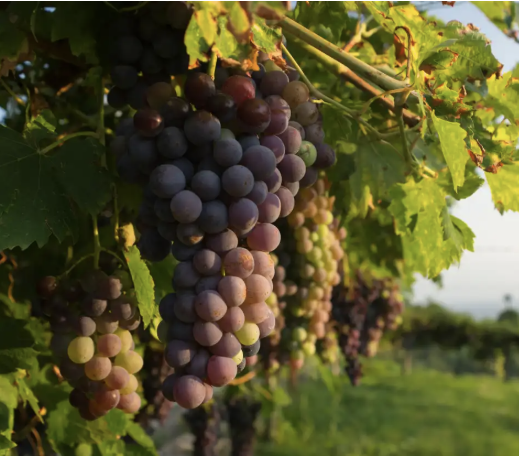
The Soul of Valpolicella Corvina — more properly Corvina Veronese — is the principal grape of the Veneto’s most famous reds: Valpolicella, Amarone and Recioto. It is the variety that gives these wines their fragrance, their bittersweet cherry character and their unique suitability to drying, the technique that defines the region. Without Corvina, the whole architecture of Veronese red wine would collapse.
A Veronese Native Grown in the hills north of Verona, between Lake Garda and Soave, Corvina is an ancient local variety traditionally blended with Rondinella, Corvinone and other grapes rather than bottled alone. Its name may derive from corvo (crow), perhaps for the dark colour of its skins — though, paradoxically, the wines it makes are often surprisingly pale and translucent.
Appearance and Structure Corvina gives lightly coloured, high-acid wines with modest tannin and a hallmark sour-cherry fruit and bitter-almond finish. In fresh Valpolicella it is bright, light and gulpable; concentrated by drying, it becomes something altogether richer, deeper and more profound, while keeping its characteristic acidity and lift.
Aromatic Profile The signature is sour red cherry and red plum with notes of dried herbs, almond, spice and, in aged or dried examples, fig, chocolate, dried flowers and a balsamic depth that develops with time in bottle. It is an aromatic, savoury grape rather than a sweetly fruity one.
The Art of Appassimento Corvina’s thick skins and loose bunches make it ideal for appassimento — drying the grapes on racks or in lofts for several months to concentrate their sugar and flavour. This single technique gives Italy three great wines: rich, dry Amarone; sweet Recioto; and Ripasso, in which young Valpolicella is re-fermented on Amarone skins for added body, colour and depth.
In the Cellar Fresh Valpolicella is vinified simply, to preserve its bright cherry fruit and easy drinkability. Amarone, by contrast, demands months of careful drying, a long, slow fermentation to dryness at high alcohol, and extended ageing in large oak. The result is a remarkable spectrum — from light and cheerful to powerful and meditative — all drawn from the same grape.
Valpolicella’s Hierarchy The Valpolicella zone is organised into a clear quality ladder: simple Valpolicella, the richer Valpolicella Superiore and Ripasso, and at the summit the powerful Amarone and sweet Recioto. Within it, the hillside “Classico” heartland and a growing number of single-vineyard bottlings express the best sites of the region.
Key Expressions
- Valpolicella: fresh, light, sour-cherry reds for early drinking.
- Amarone della Valpolicella: powerful, dry, high-alcohol reds from dried grapes.
- Ripasso: a richer “baby Amarone” style.
- Recioto della Valpolicella: the historic sweet red from dried grapes.
The Question of Aging Fresh Valpolicella is for youthful drinking, but Amarone ages superbly for fifteen to twenty years or more, evolving from dried cherry and fig into leather, coffee, tobacco and dried fruitcake while its alcohol and concentration keep it vibrant.
At the Table Light Valpolicella suits charcuterie and pasta; Amarone, with its power and richness, partners braised meats, game, hard aged cheeses such as Monte Veronese, and is famously a wine to sip slowly on its own by the fire.
Recioto, the Ancient Ancestor Long before Amarone existed, there was Recioto — the sweet, dried-grape red of Verona whose history stretches back to antiquity and which is, in effect, the ancestor of all the region’s great wines. Amarone itself was born, according to local lore, when a barrel of Recioto was allowed to ferment fully to dryness, producing a powerful, bitter (“amaro”) wine by happy accident. Corvina sits at the heart of both, and to understand it is to trace a winemaking tradition — the patient drying of grapes — that is among the oldest and most distinctive anywhere in Italy.
Why It Matters Corvina is the grape behind one of Italy’s most distinctive winemaking traditions — the drying of grapes — and the source of Amarone, one of the country’s most powerful, original and internationally celebrated reds.