
Drupeggio
A rare Umbrian white historically blended into Orvieto, contributing its distinctive aromatic delicacy to the blend.
Drupeggio is a grape variety most associated in Italy with Orvieto.
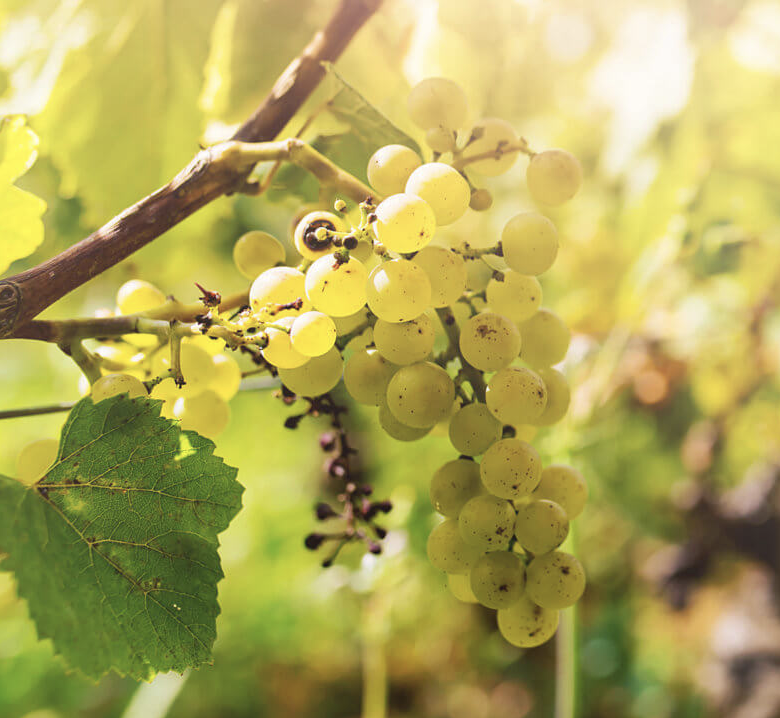
Drupeggio is a quiet, characterful white grape of central Italy, better known to ampelographers as Canaiolo Bianco and long valued as a component of the classic whites of Orvieto. Contributing softness, nutty depth and a gentle floral charm, it plays a subtle but genuine role in one of Umbria’s most famous wines. For those who look closely at the grapes behind Italy’s traditional blends, Drupeggio is a rewarding and slightly elusive discovery.
Origins and history Drupeggio is a white Italian grape grown chiefly in the central regions of Umbria and Tuscany, and it is more formally known as Canaiolo Bianco. The vast majority of true Drupeggio plantings are found in Umbria, particularly around Orvieto, where it has long been part of the traditional white blend. Its history is entwined with the region’s field-blend vineyards, where several native varieties were grown and vinified together.
A grape of Orvieto Drupeggio’s enduring role is as a supporting player in the white wine of Orvieto, one of central Italy’s most celebrated whites. There it joins a blend led by Trebbiano, known locally as Procanico, and the weightier Grechetto, alongside Verdello and Malvasia, and may make up a meaningful share of the wine. Its identity is sometimes confused with the Tuscan variety Vernaccia di San Gimignano, which shares the Canaiolo Bianco synonym, a reminder of the tangled naming of Italy’s old grapes.
Appearance and structure Drupeggio contributes to wines that are soft and gently deep in character, straw yellow in colour and medium-bodied. Rather than sharp acidity or bold structure, it lends a rounded softness and a subtle textural weight to the blends in which it appears. Its role is to add gentleness and a nutty depth that balance the crisper, more mineral grapes of the Orvieto mix.
Aromatic profile The grape brings soft notes of almond and chamomile, brightened by hints of crisp golden apple. These gentle, nutty and floral aromas add nuance and roundness to the finished wine rather than dominating it. In the Orvieto blend Drupeggio’s soft, mellow character complements the fruitiness of Grechetto and the mineral lightness of Trebbiano, contributing to the wine’s overall harmony.
In the vineyard Drupeggio is a mid to late-ripening variety grown on the volcanic and clay soils around Orvieto and across central Italy. It has traditionally been cultivated as part of mixed vineyards alongside the other grapes of the regional blend. Careful identification is needed given its several synonyms and historical confusion with other varieties, but true Drupeggio remains a valued, if minor, part of Umbrian viticulture.
In the cellar Drupeggio is almost always vinified as part of a blend, fermented in stainless steel to preserve its soft, gentle character and fresh apple notes. Its contribution is to add roundness, nutty depth and a mellow texture to the wines of Orvieto and neighbouring appellations. Rarely bottled alone, it works quietly within the blend to shape the wine’s softness and balance.
Key expressions
- A soft, rounding component of the Orvieto white blend.
- Blends across Umbrian and central Italian appellations.
- Field-blend whites in the traditional Orvieto style.
- Rare varietal or dominant bottlings showing its nutty charm.
The question of aging Drupeggio is chiefly a grape for youthful, gentle whites, and the blends in which it appears are generally made for relatively early drinking. Its soft character contributes roundness rather than the acidity that drives longevity, so freshness is best captured young. In more structured Orvieto blends, however, its mellow depth can add to the wine’s balance as it evolves over a few years.
At the table Its softness, nutty depth and gentle apple fruit make Drupeggio, and the Orvieto blends it enriches, versatile and food-friendly whites. They pair happily with freshwater fish, poultry, vegetable dishes, soft cheeses and the lighter cuisine of Umbria. The wines’ mellow character flatters delicate, herb-driven fare. Serve well chilled to accentuate their freshness and balance.
Why it matters Drupeggio may be a modest, often overlooked grape, but its soft, nutty character is quietly woven into the fabric of Orvieto and other classic central Italian whites. It is a reminder of the rich diversity of native varieties that once filled Italy’s field-blend vineyards. For those who appreciate how traditional blends are built, Drupeggio is a subtle but genuinely worthwhile discovery.