
Malvasia
Italy's most geographically widespread aromatic family—from the golden Malvasia delle Lipari to the crisp Malvasia di Candia, each expression unique to its region.
Malvasia is a grape variety most associated in Italy with Malvasia delle Lipari, Malvasia di Casorzo d'Asti, Malvasia di Castelnuovo Don Bosco and Frascati Superiore. I have reviewed four wines made from it.
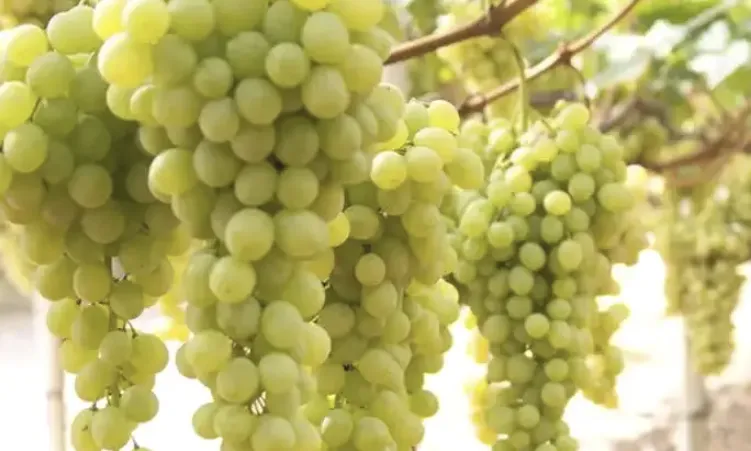
An Aromatic Family Malvasia is not a single grape but one of the most important and far-flung families of varieties in the Mediterranean, encompassing a host of mostly aromatic white grapes (and a few reds) grown across Italy and beyond. United loosely by an aromatic, often grapey or floral character, the Malvasias produce an extraordinary range of wines — dry and sweet, still and sparkling — and form a colourful thread running through the whole history of Italian wine.
A Name of Ancient Trade The Malvasia name derives from Monemvasia, a port in the Greek Peloponnese from which sweet wines were shipped across the medieval Mediterranean by Venetian merchants. Over centuries the name attached to many different grapes in the places these wines were traded and grown, which is why “Malvasia” today covers numerous distinct varieties — from Malvasia di Candia and Malvasia Istriana to Malvasia delle Lipari and Malvasia Nera.
A Family Across Italy The Malvasias are grown the length of Italy, each region with its own version. Malvasia Istriana shines in Friuli, the aromatic Malvasia di Candia flavours the frizzante wines of Emilia, Malvasia di Candia Aromatica and others appear in Lazio and Tuscany, and the luscious Malvasia delle Lipari makes one of Italy’s great sweet wines on the Aeolian Islands off Sicily.
In the Vineyard The various Malvasias differ in their habits, but many are aromatic, fairly vigorous and well suited to warm Mediterranean conditions, several with a tendency to ripen to high sugar levels ideal for sweet and dried-grape wines. Site and yield management shape whether a given Malvasia becomes a crisp dry white, an aromatic frizzante or a rich passito dessert wine.
Appearance and Structure Malvasia wines range widely, but the aromatic white styles typically give pale to golden wines of light to medium body, with moderate acidity and a soft, perfumed, sometimes textured palate. Dry versions are fresh and floral; the sweet and passito styles are richer and more unctuous; and the frizzante wines are light, frothy and charming.
Aromatic Profile The signature of the aromatic Malvasias is floral and grapey — white flowers, apricot, peach and a musky, sometimes honeyed character — with citrus and herbal notes. The intensity varies by variety, from the subtle Malvasia Istriana to the overtly aromatic Malvasia di Candia Aromatica, but a perfumed, inviting character runs through the family.
In the Cellar The Malvasias are made in almost every conceivable style: crisp dry whites, aromatic frizzante, traditional skin-contact wines, and above all the rich passito and fortified sweet wines for which the family has been famous since the Middle Ages. This versatility, allied to the grapes’ aromatics, is the family’s defining and most valuable trait.
Key Expressions
- Malvasia delle Lipari: one of Italy’s great sweet passito wines, from the Aeolian Islands.
- Malvasia Istriana: a fine dry, savoury white of Friuli and the north-east.
- Malvasia (Emilia): the aromatic, often frizzante white of Emilia-Romagna.
- Lazio & Tuscan Malvasia: a component of central Italian whites and Vin Santo.
The Question of Aging Most dry and frizzante Malvasia is made for fresh, aromatic, early drinking, but the great sweet passito and fortified styles, with their concentration and sugar, can age superbly for many years, developing deep honeyed, dried-fruit and nutty complexity that places them among Italy’s finest dessert wines.
At the Table The dry and frizzante styles suit antipasti, seafood, charcuterie and the cuisine of their home regions, while the sweet passito wines are classic partners for pastries, dried fruit, nuts, blue cheeses and the traditional desserts of the south. The family’s range makes Malvasia welcome across the whole meal.
Why It Matters Malvasia is one of the great aromatic grape families of the Mediterranean — a name carrying centuries of trade and history, and a source of some of Italy’s most charming dry whites and most celebrated sweet wines, woven into the fabric of the country’s wine culture from north to south.